
View more
This product has multiple variants. The options may be chosen on the product page
From £40.99
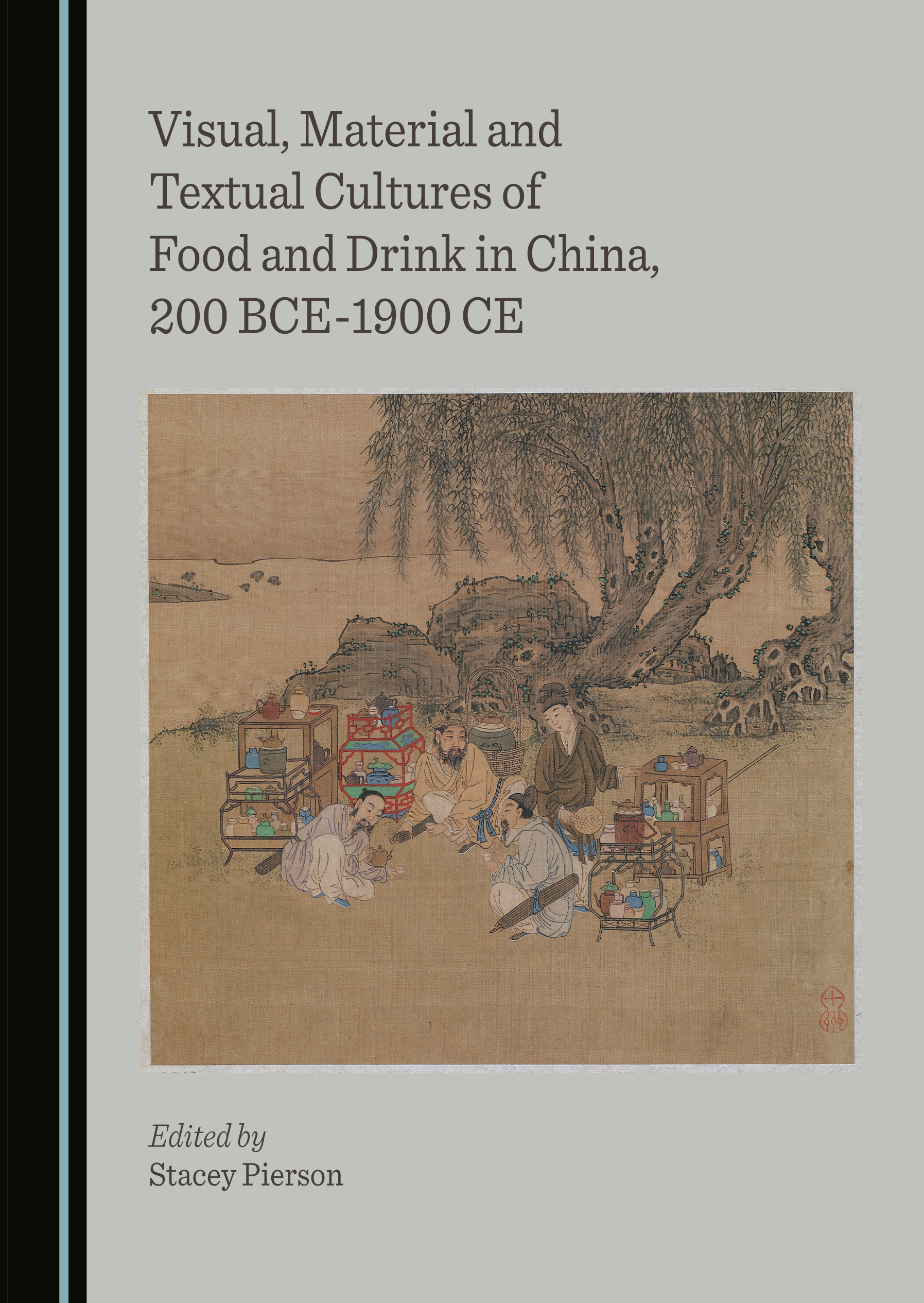
Explore the history of Chinese food and drink through its utensils, ingredients, and dining practices. This collection of essays examines items from Han jade goblets to 18th century imperial tea houses to reveal the evolution of culinary concepts and food cultures in China.
Explore the history of Chinese food and drink through its utensils, ingredients, and dining practices. This collection of essays examines items from Han jade goblets to 18th century imperial tea houses to reveal the evolution of culinary concepts and food cultures in China.
View more
This product has multiple variants. The options may be chosen on the product page
View more
This product has multiple variants. The options may be chosen on the product page
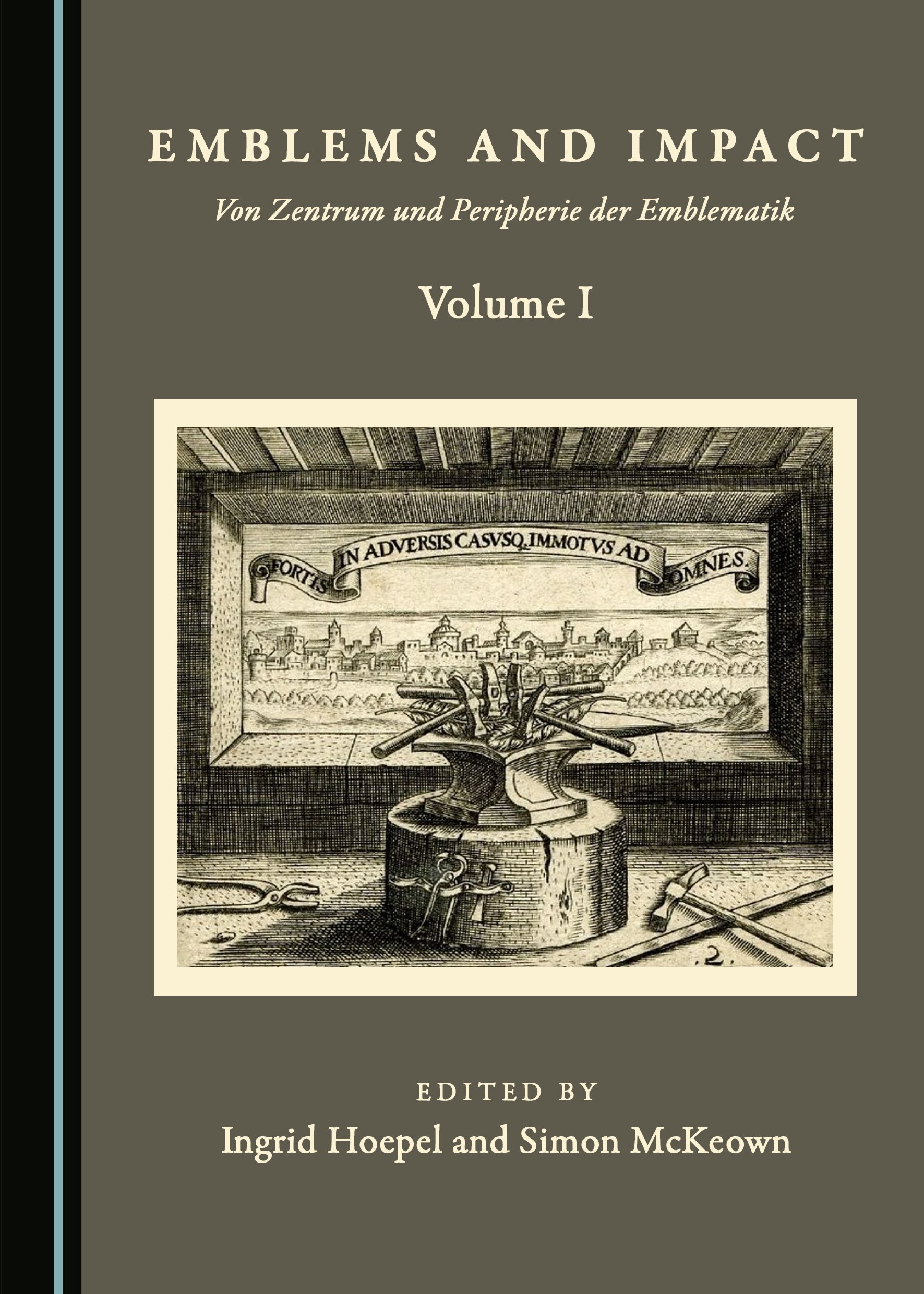
Emblems and Impact Volume I
Von Zentrum und Peripherie der Emblematik
The study of emblems allows this two-volume work to look back at the collaborative endeavours of creative minds of earlier times. It argues that while the world seeks to come to terms with globalization, emblems allow reflection on strongly shared cultural values and connections.
The study of emblems allows this two-volume work to look back at the collaborative endeavours of creative minds of earlier times. It argues that while the world seeks to come to terms with globalization, emblems allow reflection on strongly shared cultural values and connections.
View more
This product has multiple variants. The options may be chosen on the product page

View more
This product has multiple variants. The options may be chosen on the product page
Frans Hals in America
Collectors, Scholars, and Connoisseurs
Frans Hals was one of the most gifted masters of Dutch seventeenth-century art. This book explores the narrative of Hals in America, from his rediscovery by Gilded Age collectors to the thorny issues of attribution and the impact of a dynamic art market over a century.
Frans Hals was one of the most gifted masters of Dutch seventeenth-century art. This book explores the narrative of Hals in America, from his rediscovery by Gilded Age collectors to the thorny issues of attribution and the impact of a dynamic art market over a century.
View more
This product has multiple variants. The options may be chosen on the product page
View more
This product has multiple variants. The options may be chosen on the product page
£75.99
An emblem is a combination of images and texts that flourished in the early modern period. This book presents the culture of the emblem, its influences on art, and its symbolism, reminding us that understanding images is as demanding today as it was centuries ago.
An emblem is a combination of images and texts that flourished in the early modern period. This book presents the culture of the emblem, its influences on art, and its symbolism, reminding us that understanding images is as demanding today as it was centuries ago.
View more
This product has multiple variants. The options may be chosen on the product page
View more
This product has multiple variants. The options may be chosen on the product page
From £37.99
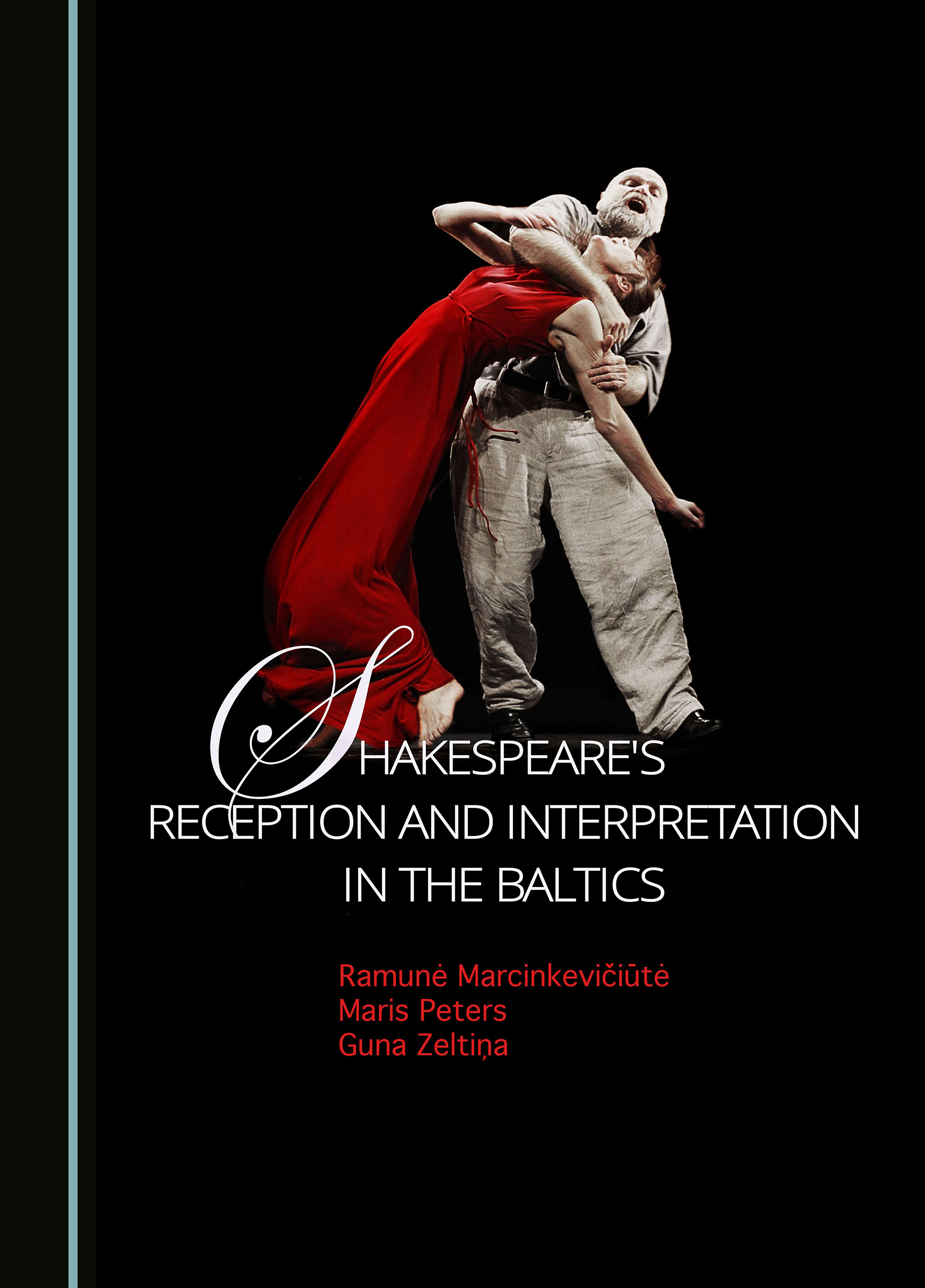
This is the first collection of research in English on interpretations of Shakespeare in the Baltic countries. Written by leading researchers, it analyzes Shakespeare’s importance in developing Baltic national culture and introduces the unique experience of Baltic theatre.
This is the first collection of research in English on interpretations of Shakespeare in the Baltic countries. Written by leading researchers, it analyzes Shakespeare’s importance in developing Baltic national culture and introduces the unique experience of Baltic theatre.
View more
This product has multiple variants. The options may be chosen on the product page
View more
This product has multiple variants. The options may be chosen on the product page
£72.99
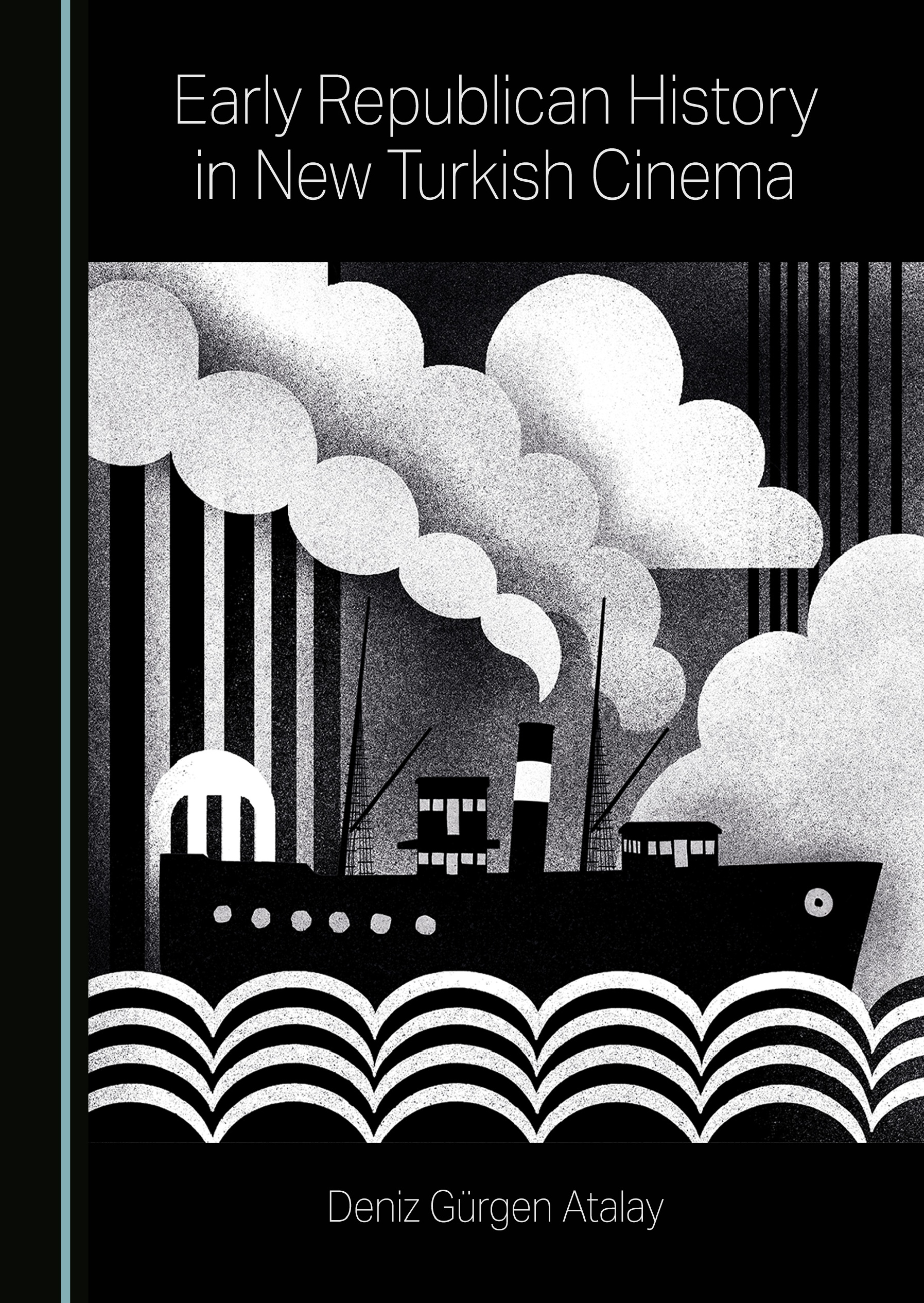
This book explores how 1990s criticism reshaped the cinematic portrayal of Turkey's Early Republican Period. It examines how historical films about the Republic's founding were influenced by a new scrutiny of nationalism and the previously untouchable ideals of the era.
This book explores how 1990s criticism reshaped the cinematic portrayal of Turkey’s Early Republican Period. It examines how historical films about the Republic’s founding were influenced by a new scrutiny of nationalism and the previously untouchable ideals of the era.
View more
This product has multiple variants. The options may be chosen on the product page
View more
This product has multiple variants. The options may be chosen on the product page
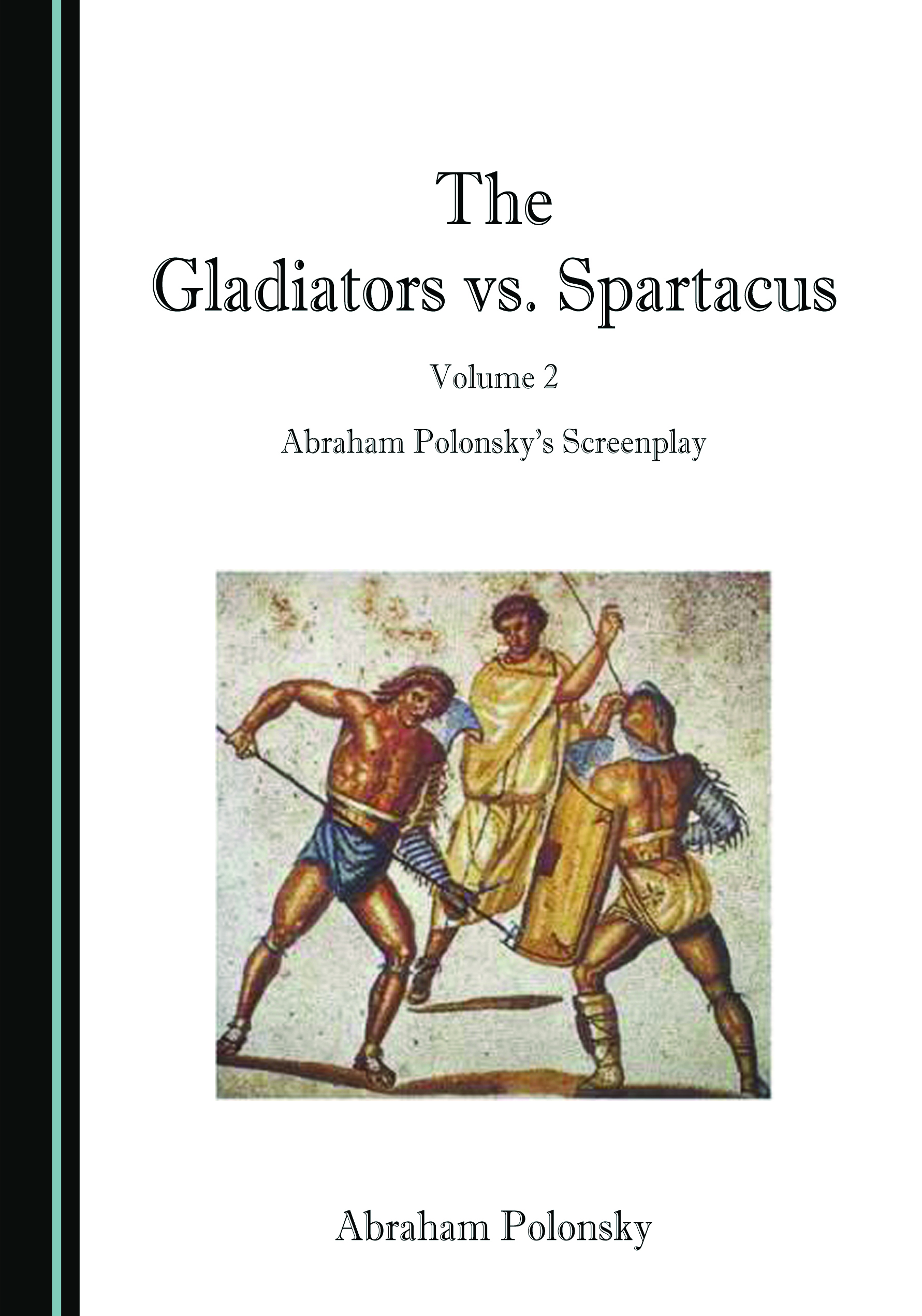
The Gladiators vs. Spartacus, Volume 2
Abraham Polonsky’s Screenplay
From blacklisted director Abraham Polonsky, this is the unproduced screenplay for The Gladiators. He transformed Arthur Koestler’s complex novel of an ancient slave rebellion into a script worthy of its bold vision, but due to bad timing, it never went before the cameras.
From blacklisted director Abraham Polonsky, this is the unproduced screenplay for The Gladiators. He transformed Arthur Koestler’s complex novel of an ancient slave rebellion into a script worthy of its bold vision, but due to bad timing, it never went before the cameras.
View more
This product has multiple variants. The options may be chosen on the product page
View more
This product has multiple variants. The options may be chosen on the product page
From £35.99
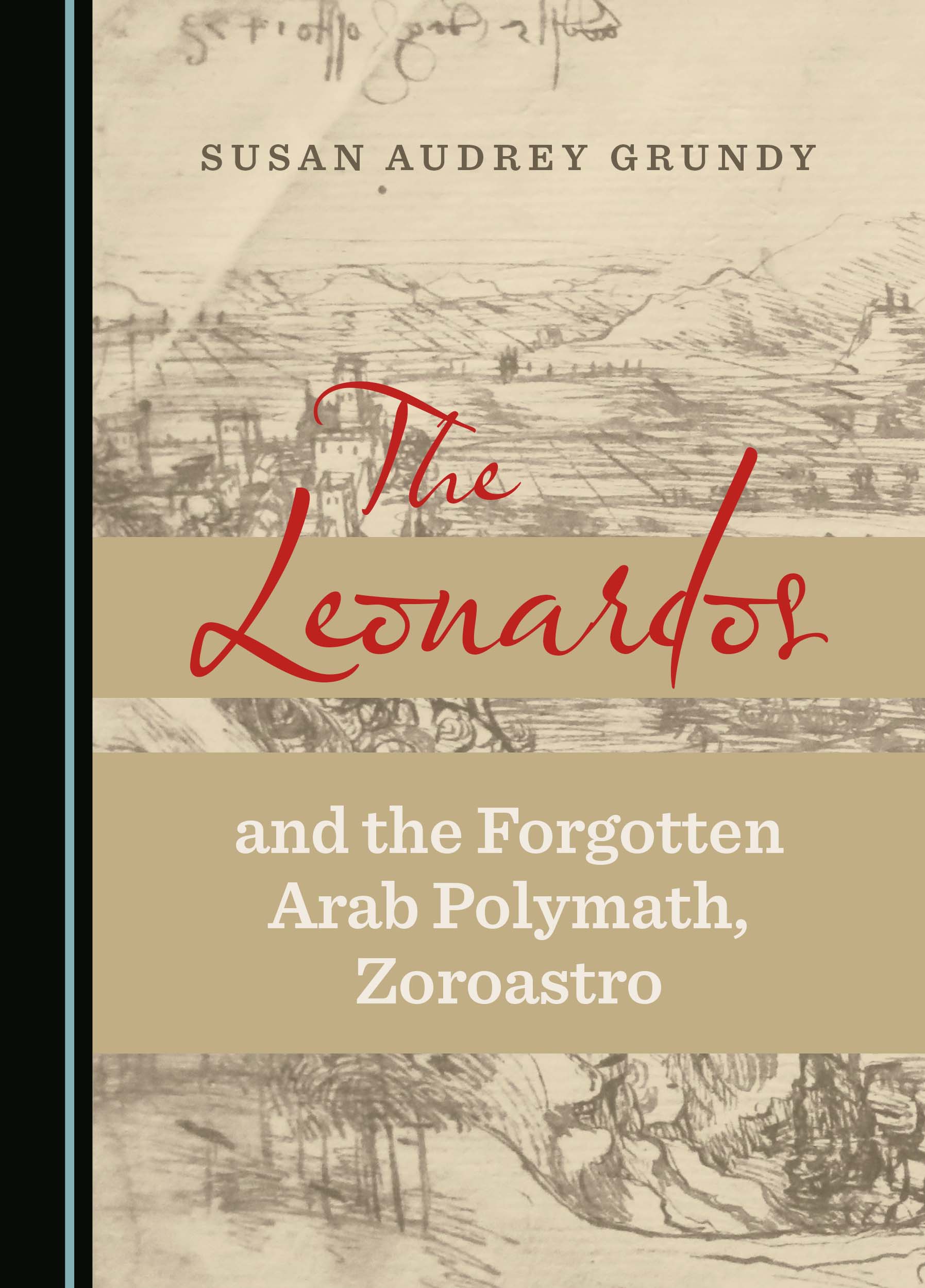
This book unmasks the legend of Leonardo da Vinci. Rediscovered documents show the artist was two different men: a Tuscan painter and an Ottoman agent. Crucially, a document proves the painter died in 1499, revealing the true artist of the Mona Lisa: Giovanni Antonio Boltraffio.
This book unmasks the legend of Leonardo da Vinci. Rediscovered documents show the artist was two different men: a Tuscan painter and an Ottoman agent. Crucially, a document proves the painter died in 1499, revealing the true artist of the Mona Lisa: Giovanni Antonio Boltraffio.
View more
This product has multiple variants. The options may be chosen on the product page
View more
This product has multiple variants. The options may be chosen on the product page
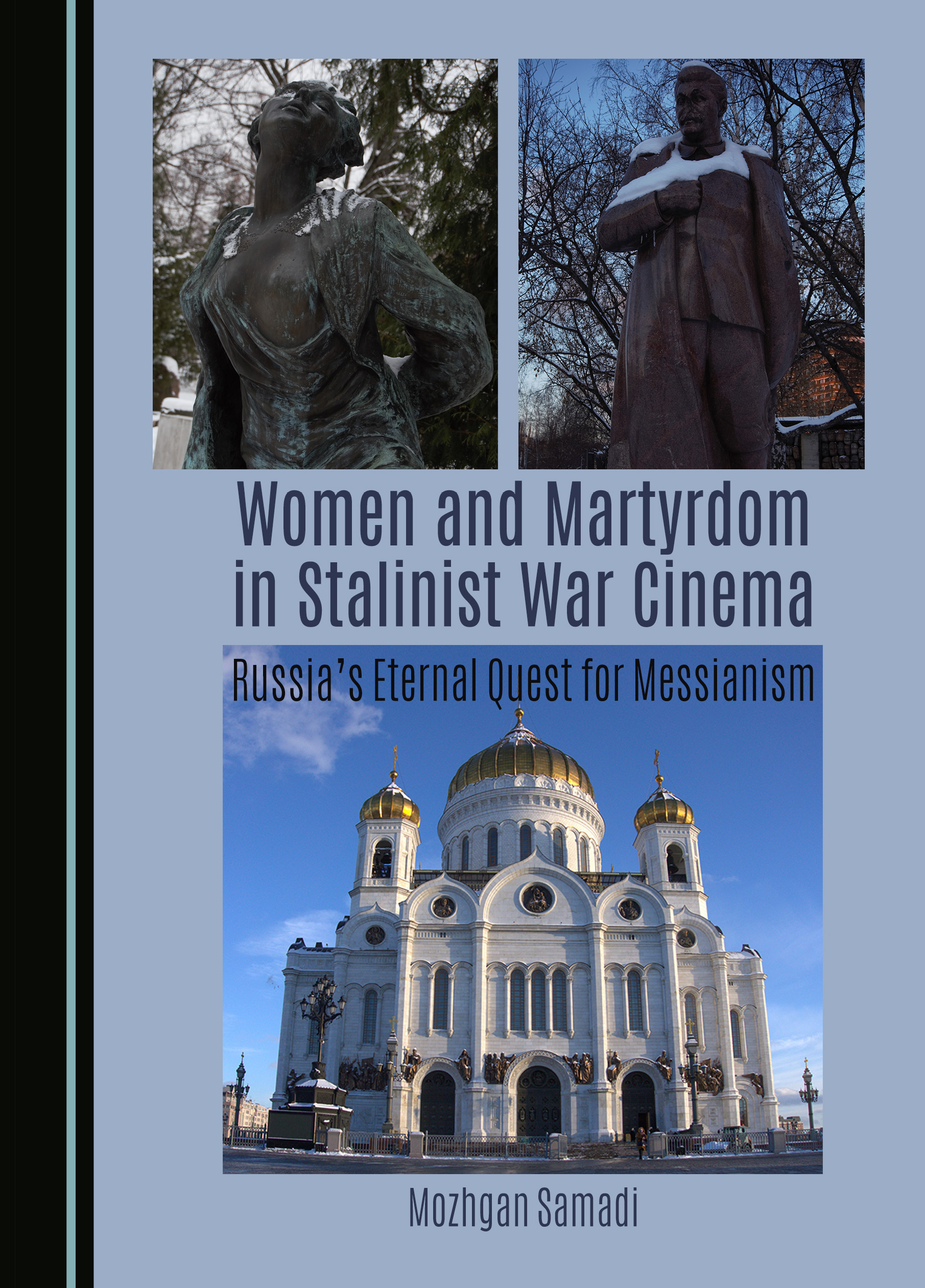
Women and Martyrdom in Stalinist War Cinema
Russia's Eternal Quest for Messianism
This book challenges the idea of the compatibility of femininity and combat under Stalinism. It reveals how Stalinist war cinema drew on Russian religious tradition to create cinematic representations of Soviet women during WWII, serving collective identity-construction policies.
This book challenges the idea of the compatibility of femininity and combat under Stalinism. It reveals how Stalinist war cinema drew on Russian religious tradition to create cinematic representations of Soviet women during WWII, serving collective identity-construction policies.
View more
This product has multiple variants. The options may be chosen on the product page
View more
This product has multiple variants. The options may be chosen on the product page
£70.99
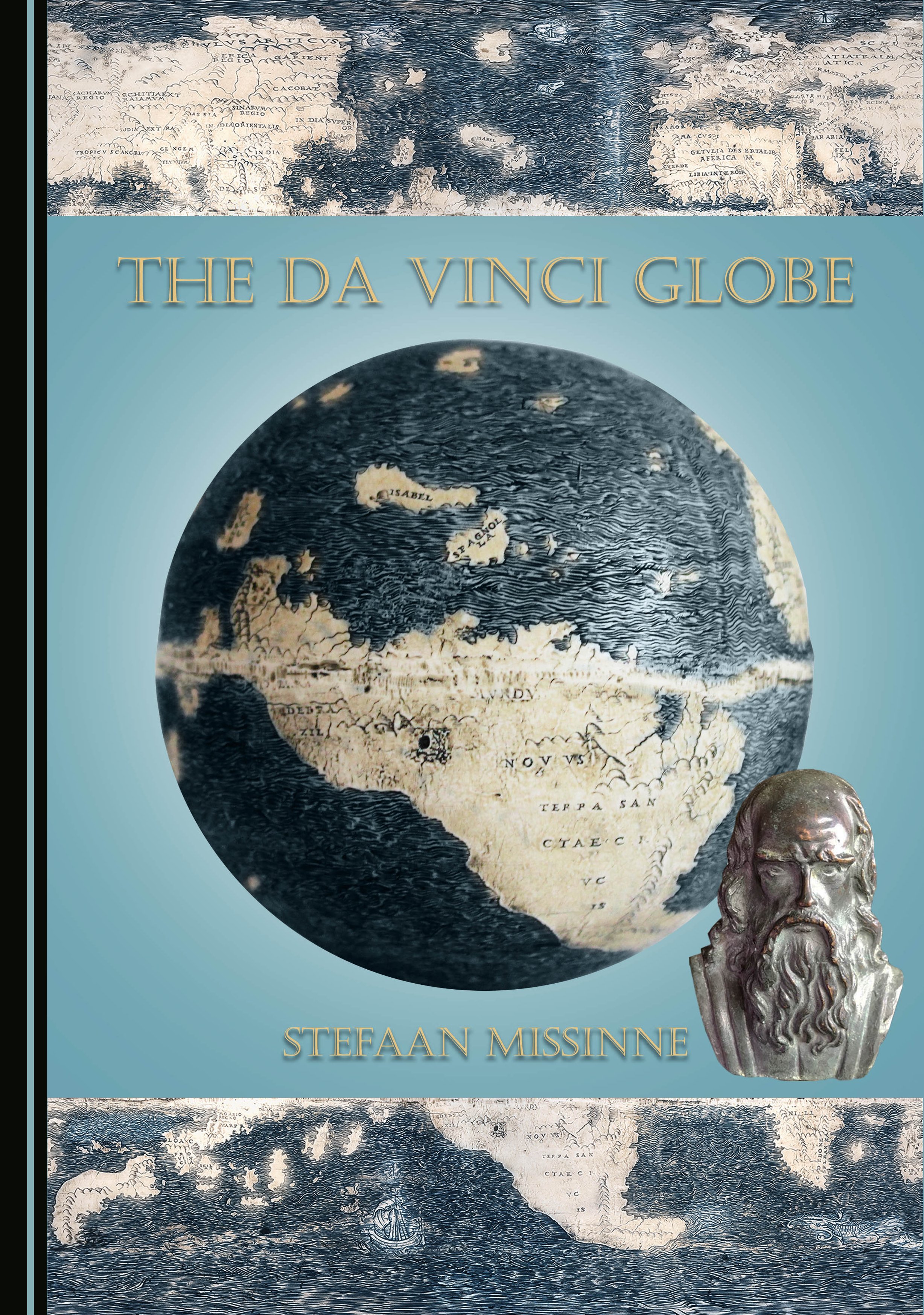
A chance discovery revealed a unique 1504 globe, hand-engraved on an ostrich egg and linked to Leonardo da Vinci. It shows secret knowledge, riddles, and is the first to name countries like Brazil. This book details 500 years of mystery, scholarship, and forensic testing.
A chance discovery revealed a unique 1504 globe, hand-engraved on an ostrich egg and linked to Leonardo da Vinci. It shows secret knowledge, riddles, and is the first to name countries like Brazil. This book details 500 years of mystery, scholarship, and forensic testing.
View more
This product has multiple variants. The options may be chosen on the product page
View more
This product has multiple variants. The options may be chosen on the product page
Emblems and Impact Volume II
Von Zentrum und Peripherie der Emblematik
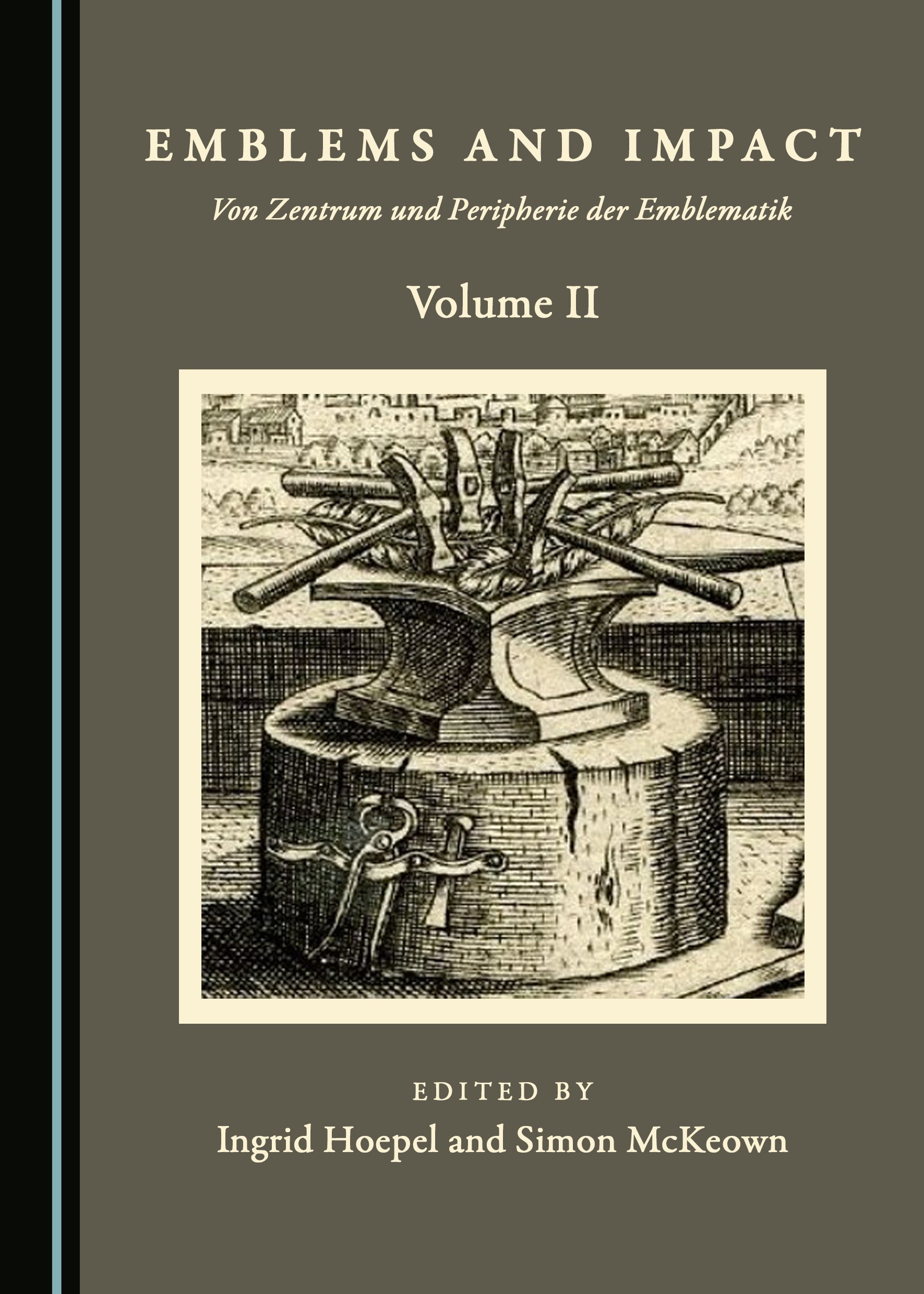
The study of emblems allows this two-volume work to look back at the collaborative endeavours of creative minds of earlier times. It argues that while the world seeks to come to terms with globalization, emblems allow reflection on strongly shared cultural values and connections.
The study of emblems allows this two-volume work to look back at the collaborative endeavours of creative minds of earlier times. It argues that while the world seeks to come to terms with globalization, emblems allow reflection on strongly shared cultural values and connections.
View more
This product has multiple variants. The options may be chosen on the product page
View more
This product has multiple variants. The options may be chosen on the product page
£67.99
Collections reflect the passions of their owners, but how did people get to see them? This book investigates an understudied field: "access" to collections before public museums. The essays show there were diverse types of access that served a range of purposes.
Collections reflect the passions of their owners, but how did people get to see them? This book investigates an understudied field: “access” to collections before public museums. The essays show there were diverse types of access that served a range of purposes.
View more
This product has multiple variants. The options may be chosen on the product page
View more
This product has multiple variants. The options may be chosen on the product page
The Gladiators vs. Spartacus, Volume 1
Dueling Productions in Blacklist Hollywood
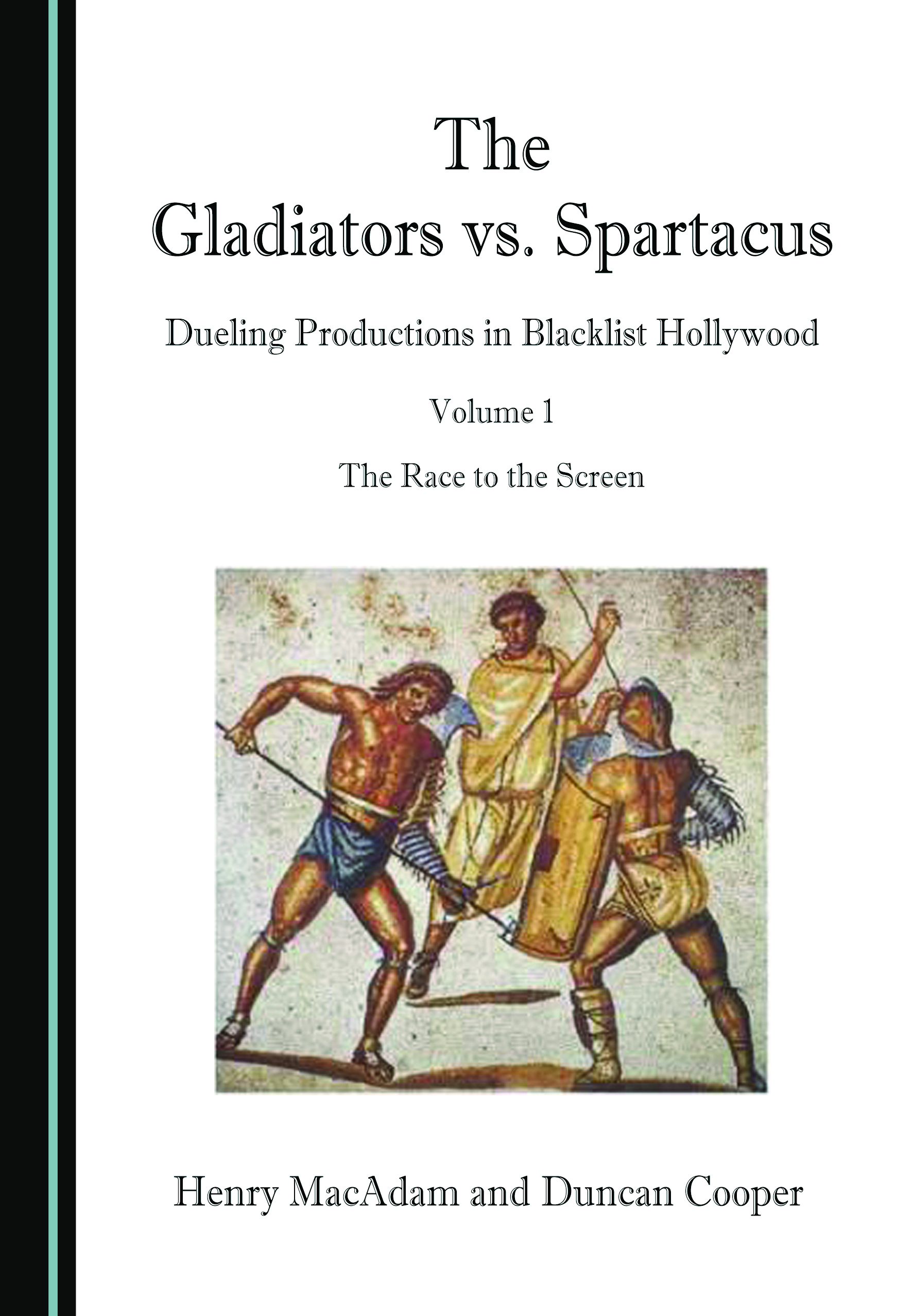
Using unpublished sources, this book documents the intense rivalry between movie productions of The Gladiators and Spartacus. This little-known chapter of Hollywood's blacklist history was key to Dalton Trumbo's successful effort to win screen credit.
Using unpublished sources, this book documents the intense rivalry between movie productions of The Gladiators and Spartacus. This little-known chapter of Hollywood’s blacklist history was key to Dalton Trumbo’s successful effort to win screen credit.
View more
This product has multiple variants. The options may be chosen on the product page
View more
This product has multiple variants. The options may be chosen on the product page
From £32.99
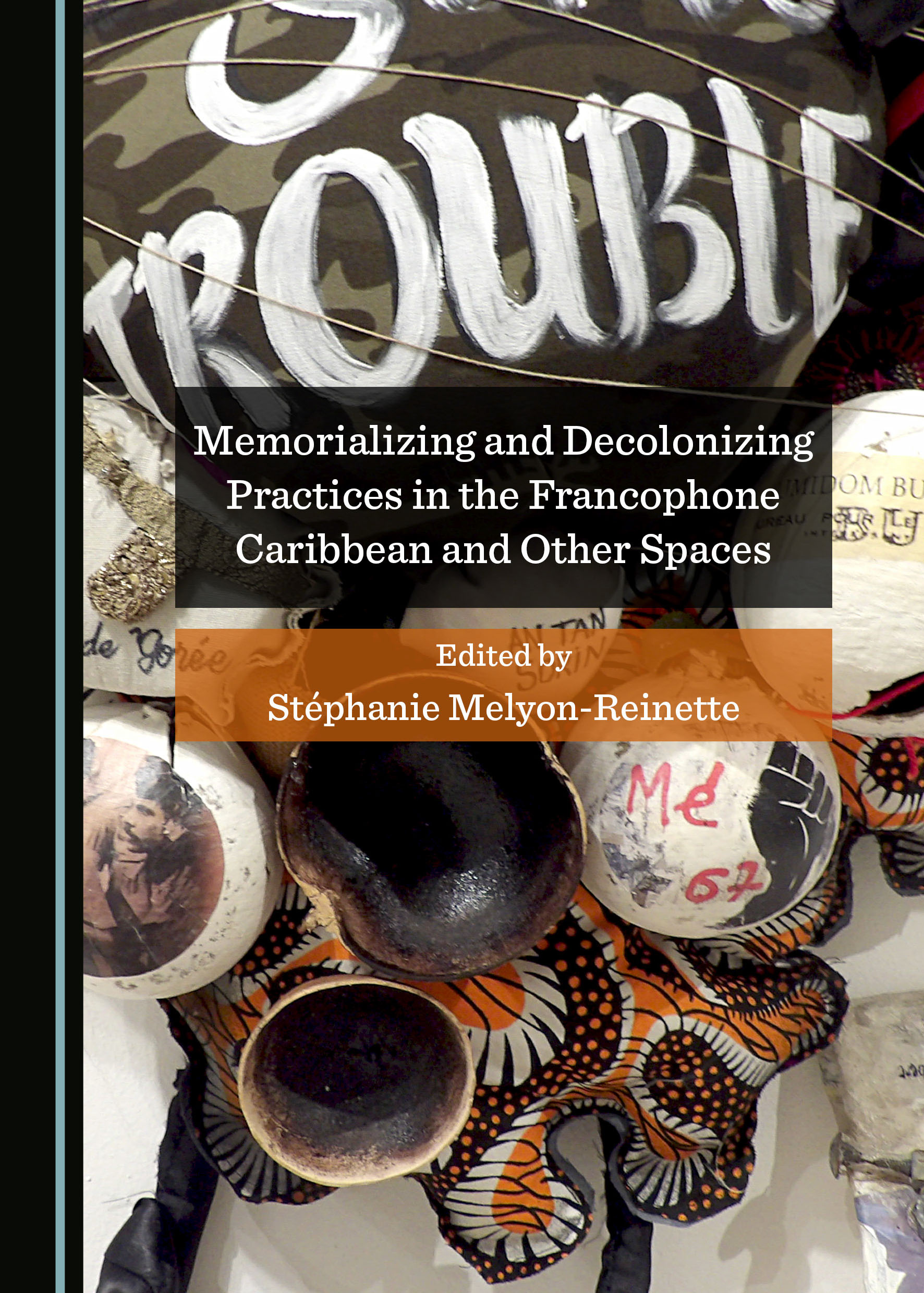
This hybrid collection of essays and self-portraits explores the ‘mark’—from heritage and race to trauma and scars. Through various art forms, it tackles identity, emancipation, and self-determination in postcolonial France and the French Caribbean.
This hybrid collection of essays and self-portraits explores the ‘mark’—from heritage and race to trauma and scars. Through various art forms, it tackles identity, emancipation, and self-determination in postcolonial France and the French Caribbean.
View more
This product has multiple variants. The options may be chosen on the product page

View more
This product has multiple variants. The options may be chosen on the product page
Global History, Visual Culture and Itinerancies
Changes and Continuities
This chronologically ambitious book investigates globalization from Roman times to the present. It argues that itinerant agents carry cultural baggage, transporting and transmitting it to create interconnections and produce active changes in global history.
This chronologically ambitious book investigates globalization from Roman times to the present. It argues that itinerant agents carry cultural baggage, transporting and transmitting it to create interconnections and produce active changes in global history.
View more
This product has multiple variants. The options may be chosen on the product page

View more
This product has multiple variants. The options may be chosen on the product page
Chinese Export Paintings
A Marketing Success Story
This book deciphers the formula for market success of Chinese export paintings, a unique and misunderstood East-meets-West art form. Dr Maria Mok reveals the tactical artistic decisions that made these paintings best-sellers for Western customers in the 18th and 19th centuries.
This book deciphers the formula for market success of Chinese export paintings, a unique and misunderstood East-meets-West art form. Dr Maria Mok reveals the tactical artistic decisions that made these paintings best-sellers for Western customers in the 18th and 19th centuries.
View more
This product has multiple variants. The options may be chosen on the product page
View more
This product has multiple variants. The options may be chosen on the product page
From £32.99
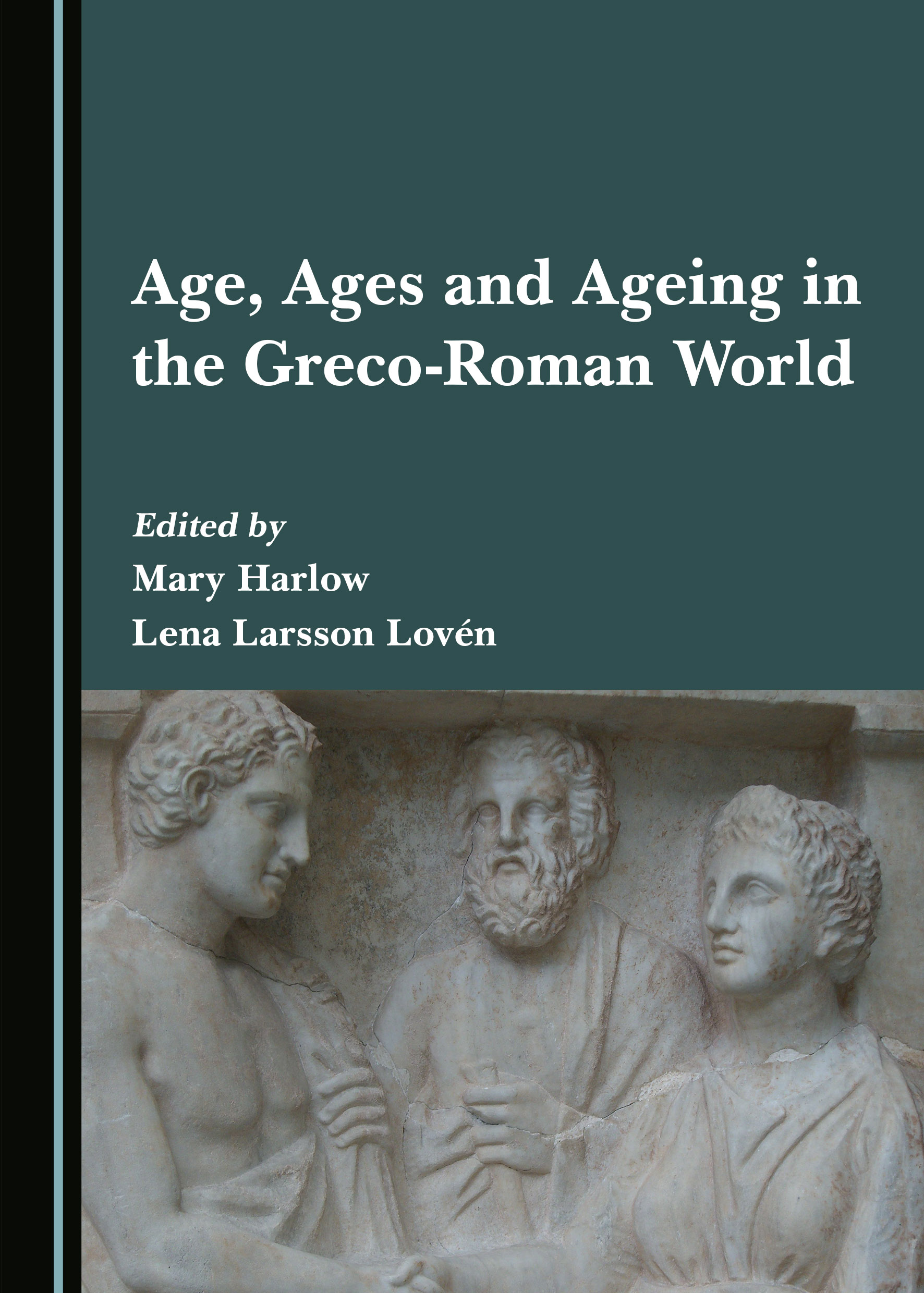
From mythological satyrs and wicked imperial stepmothers to misbehaving students and obstreperous old Athenians, this volume investigates attitudes to age in the ancient world, exploring intergenerational relationships and the intersections with gender, class and status.
From mythological satyrs and wicked imperial stepmothers to misbehaving students and obstreperous old Athenians, this volume investigates attitudes to age in the ancient world, exploring intergenerational relationships and the intersections with gender, class and status.
View more
This product has multiple variants. The options may be chosen on the product page
View more
This product has multiple variants. The options may be chosen on the product page
Arts, Politics and Social Movements
In the Fields and in the Streets
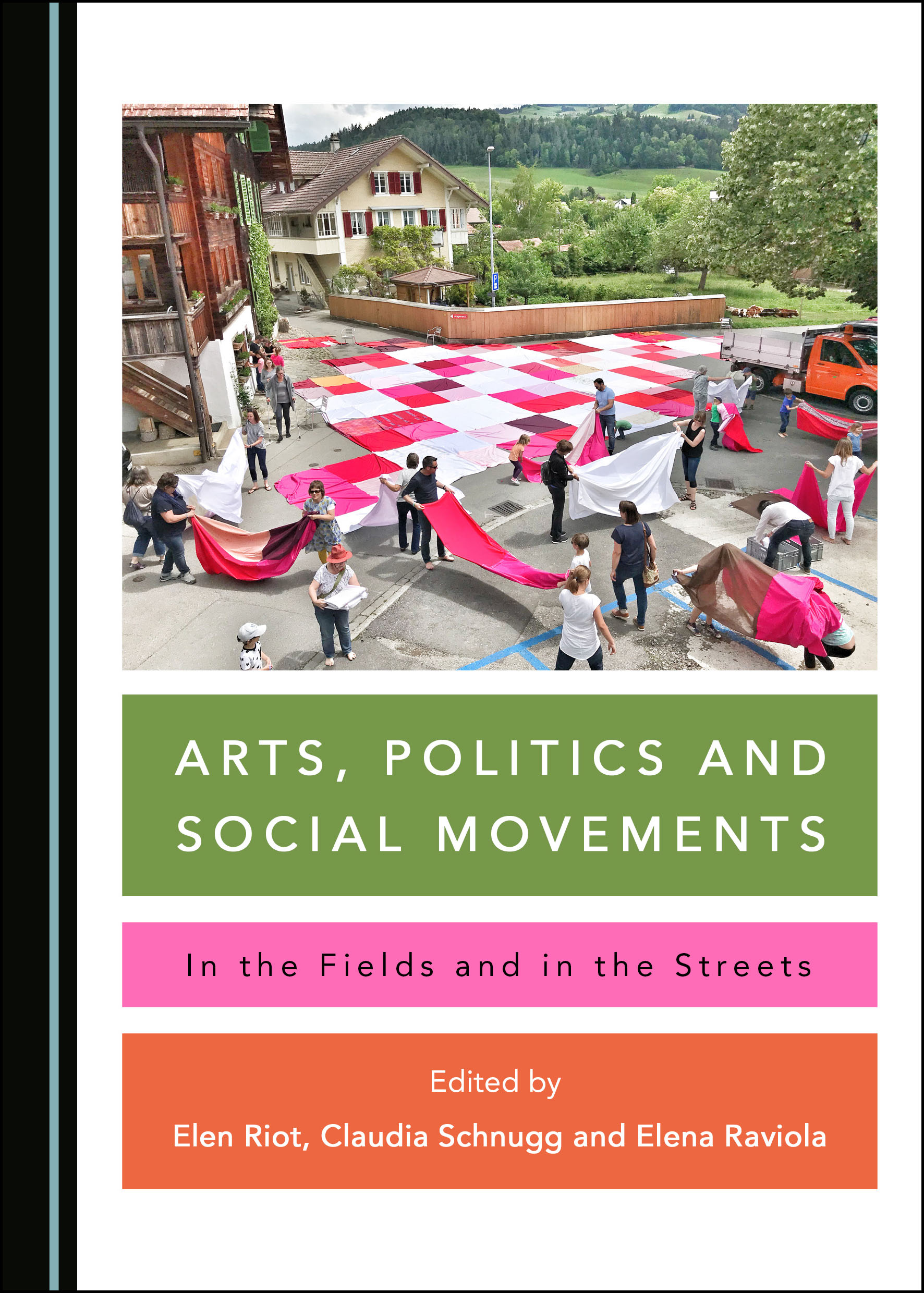
This collection describes artistic and activist actions challenging the existing order. With case studies from Europe and the US, it questions contemporary ideas in the face of the Great Transition, proposing utopian forms and asking the vital question: "what is to be done?"
This collection describes artistic and activist actions challenging the existing order. With case studies from Europe and the US, it questions contemporary ideas in the face of the Great Transition, proposing utopian forms and asking the vital question: “what is to be done?”
View more
This product has multiple variants. The options may be chosen on the product page
View more
This product has multiple variants. The options may be chosen on the product page
Representing Royalty
British Monarchs in Contemporary Cinema, 1994-2010
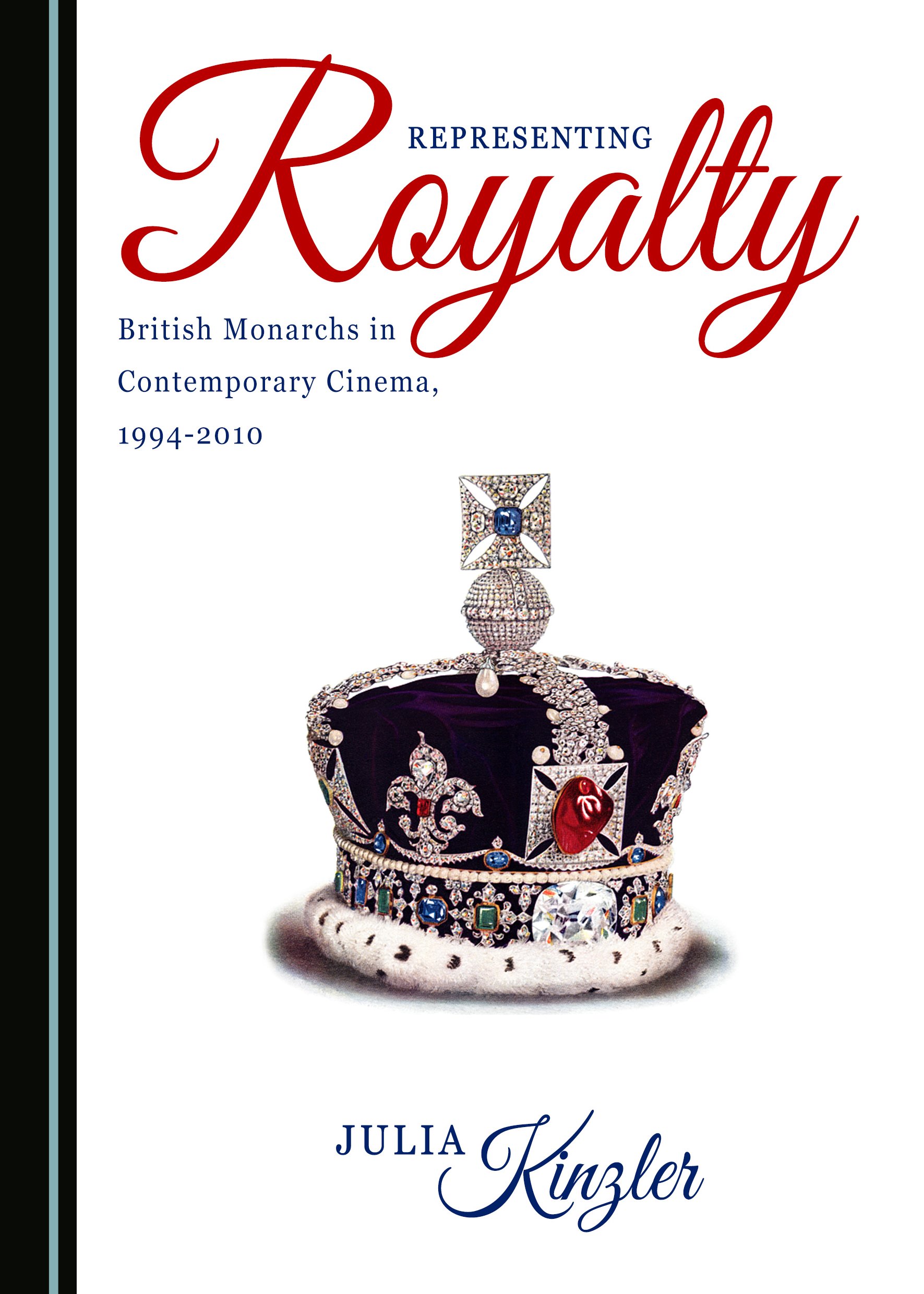
Since the early days of cinema, filmmakers have been intrigued by the lives and loves of British monarchs. Kinzler examines strategies of representing power and the staging of myths of power in seven popular films about this subject that were made after the mid-1990s.
Since the early days of cinema, filmmakers have been intrigued by the lives and loves of British monarchs. Kinzler examines strategies of representing power and the staging of myths of power in seven popular films about this subject that were made after the mid-1990s.
View more
This product has multiple variants. The options may be chosen on the product page
View more
This product has multiple variants. The options may be chosen on the product page
From £35.99
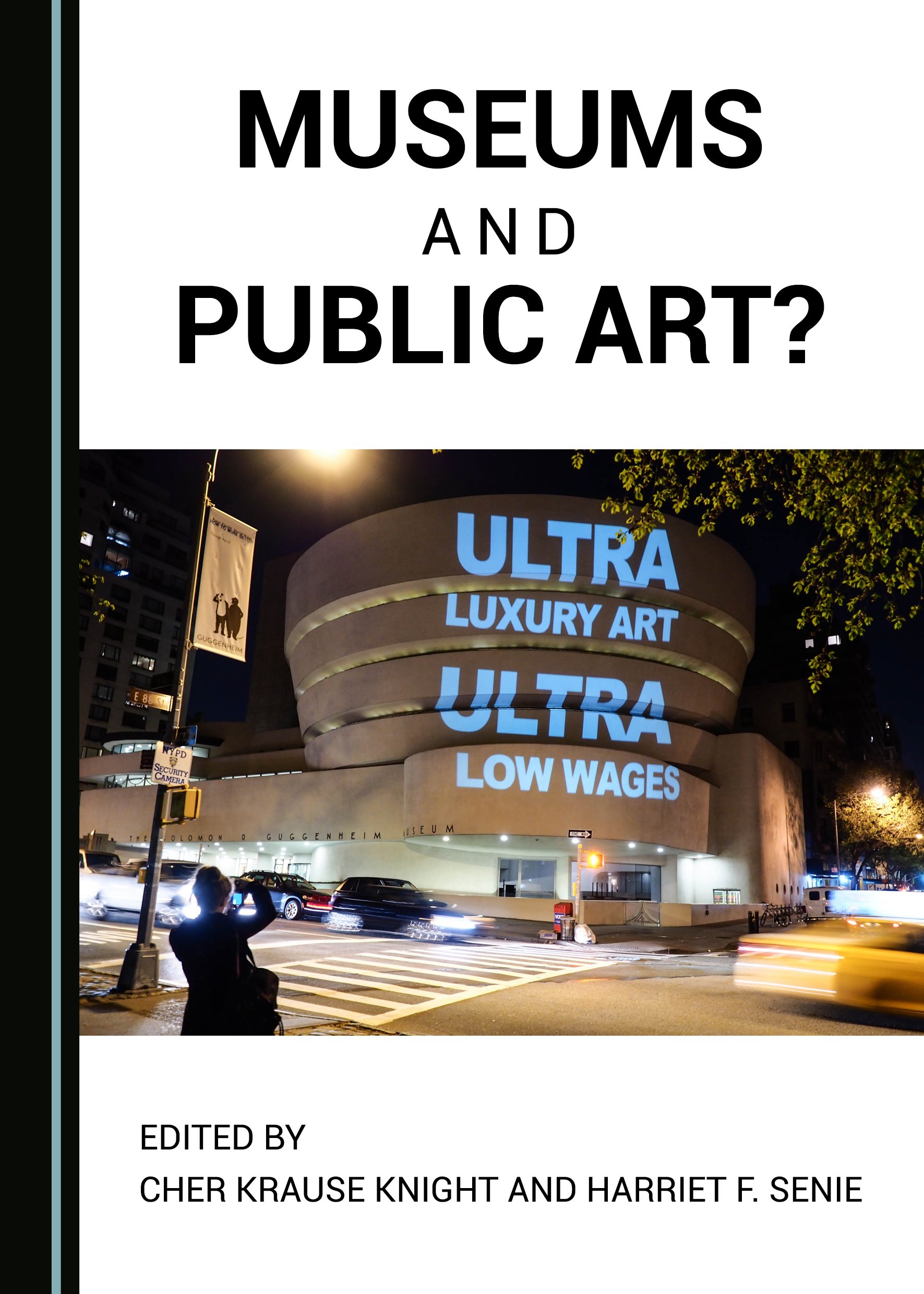
This is the first book to contextualize the collaborations between museums and public art through a range of essays marked by their coherence of topical focus, written by leading and emerging scholars and artists, and represents a major contribution to the field of art history.
This is the first book to contextualize the collaborations between museums and public art through a range of essays marked by their coherence of topical focus, written by leading and emerging scholars and artists, and represents a major contribution to the field of art history.
View more
This product has multiple variants. The options may be chosen on the product page
Processing Your Order
Please wait while we securely process your order.
Do not refresh or leave this page.
You will be redirected shortly to a confirmation page with your order number.