
View more
This product has multiple variants. The options may be chosen on the product page
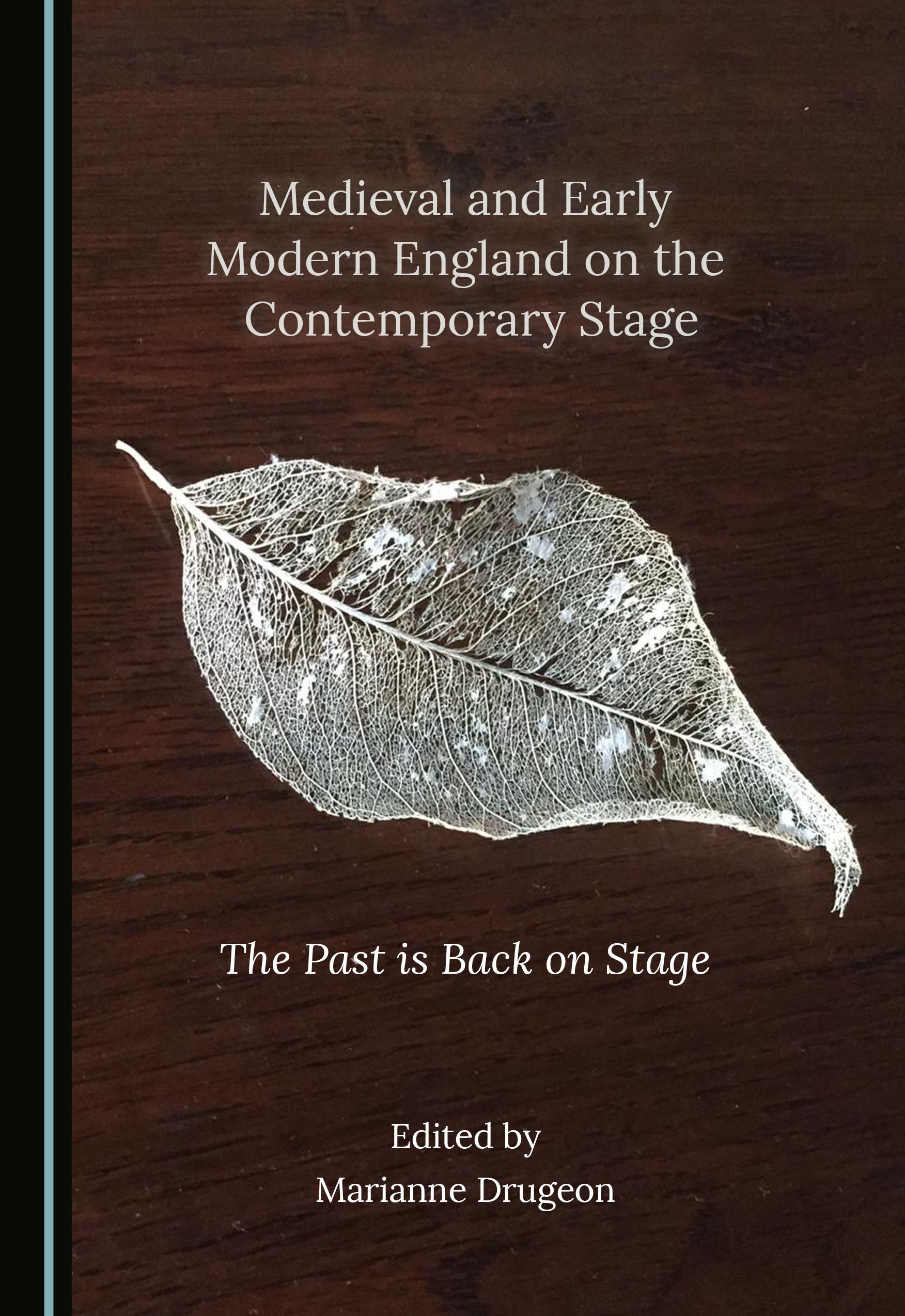
Medieval and Early Modern England on the Contemporary Stage
The Past is Back on Stage
This volume explores the connections between contemporary British theatre and the medieval and early modern periods. It assesses how adaptations and history plays offer a new perspective on our past, present, and future, exploring today's burning social and political issues.
This volume explores the connections between contemporary British theatre and the medieval and early modern periods. It assesses how adaptations and history plays offer a new perspective on our past, present, and future, exploring today’s burning social and political issues.
View more
This product has multiple variants. The options may be chosen on the product page
View more
This product has multiple variants. The options may be chosen on the product page
From £29.99
Kaaber investigates the exact age of the eponymous prince in Shakespeare’s play, a topic which has been subject to frequent debates. As he shows, Henry Wriothesley, the third Earl of Southampton, once indisputably Shakespeare’s patron, is likely the inspiration for the character.
Kaaber investigates the exact age of the eponymous prince in Shakespeare’s play, a topic which has been subject to frequent debates. As he shows, Henry Wriothesley, the third Earl of Southampton, once indisputably Shakespeare’s patron, is likely the inspiration for the character.
View more
This product has multiple variants. The options may be chosen on the product page
View more
This product has multiple variants. The options may be chosen on the product page
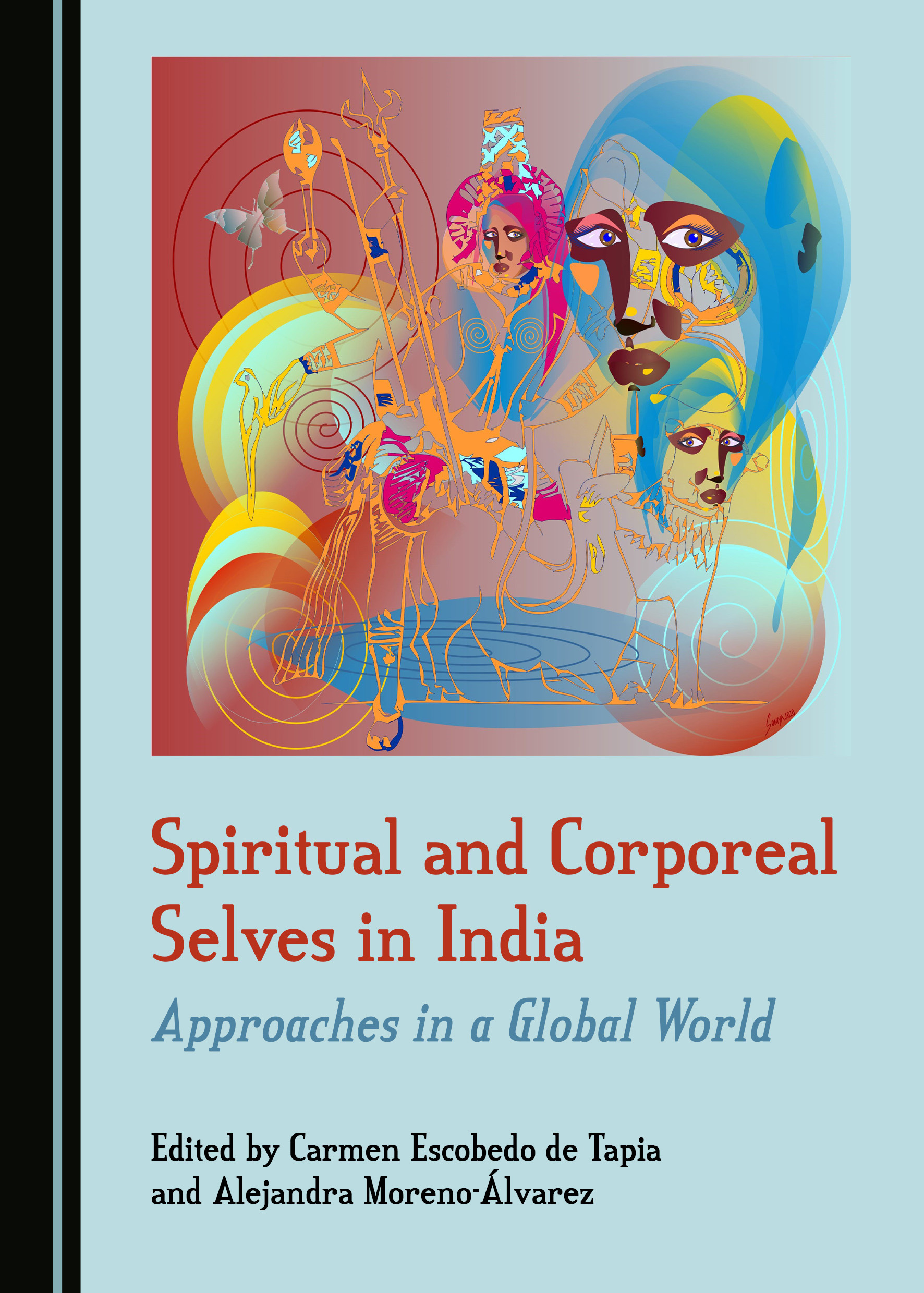
Spiritual and Corporeal Selves in India
Approaches in a Global World
This volume explores the union of the corporeal and the spiritual in contemporary India. It offers clues to the East-West encounter and tackles the dualism of mind and body, suggesting a rupture of binary thinking, unlike in Western theory.
This volume explores the union of the corporeal and the spiritual in contemporary India. It offers clues to the East-West encounter and tackles the dualism of mind and body, suggesting a rupture of binary thinking, unlike in Western theory.
View more
This product has multiple variants. The options may be chosen on the product page
View more
This product has multiple variants. The options may be chosen on the product page
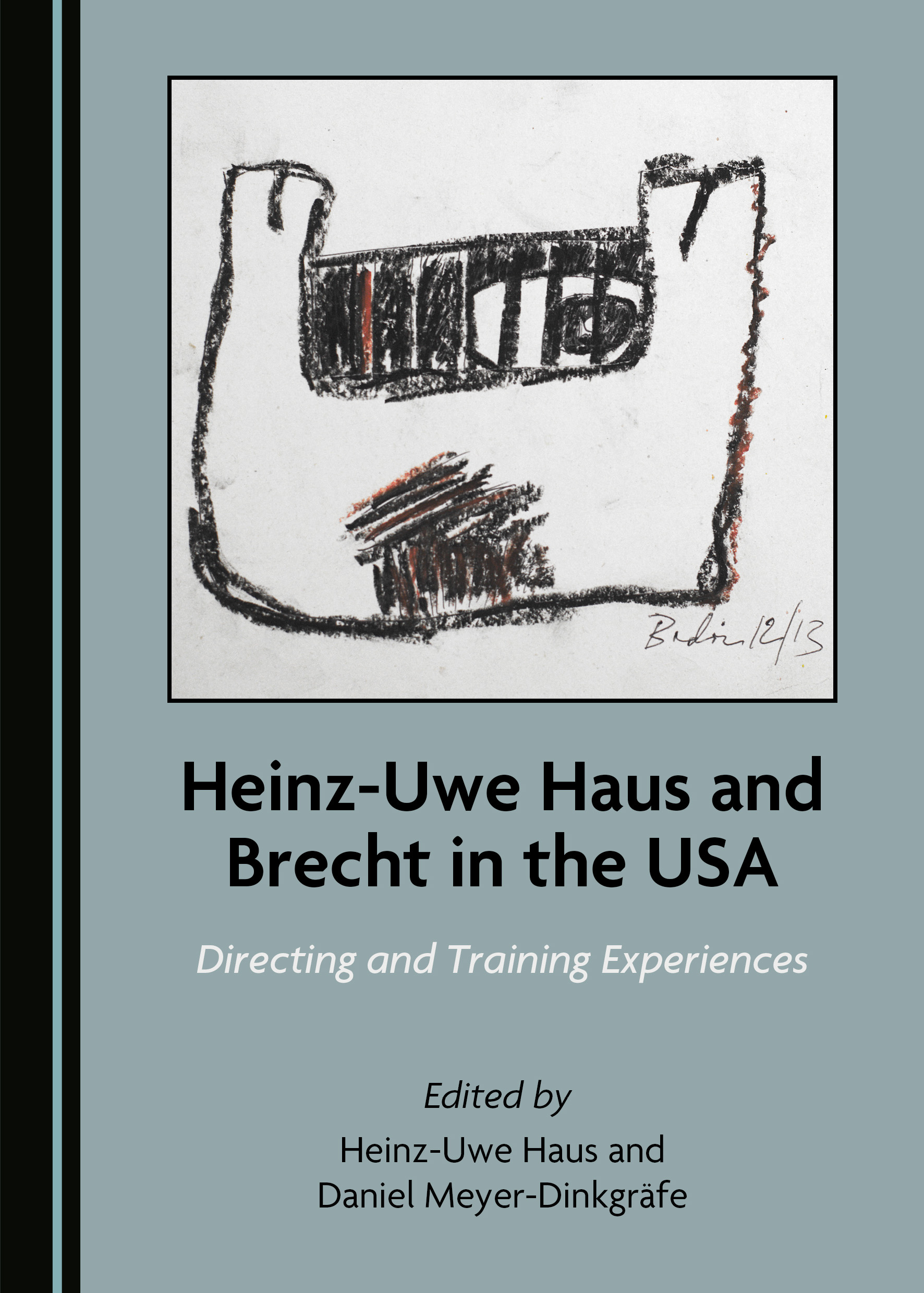
Heinz-Uwe Haus and Brecht in the USA
Directing and Training Experiences
As the first renowned East German director in the USA, Heinz-Uwe Haus’s productions of Brecht were historic. This book documents his work through his notes, media reviews, academic analysis, and firsthand reflections from the cast and creative team.
As the first renowned East German director in the USA, Heinz-Uwe Haus’s productions of Brecht were historic. This book documents his work through his notes, media reviews, academic analysis, and firsthand reflections from the cast and creative team.
View more
This product has multiple variants. The options may be chosen on the product page
View more
This product has multiple variants. The options may be chosen on the product page
From £34.99
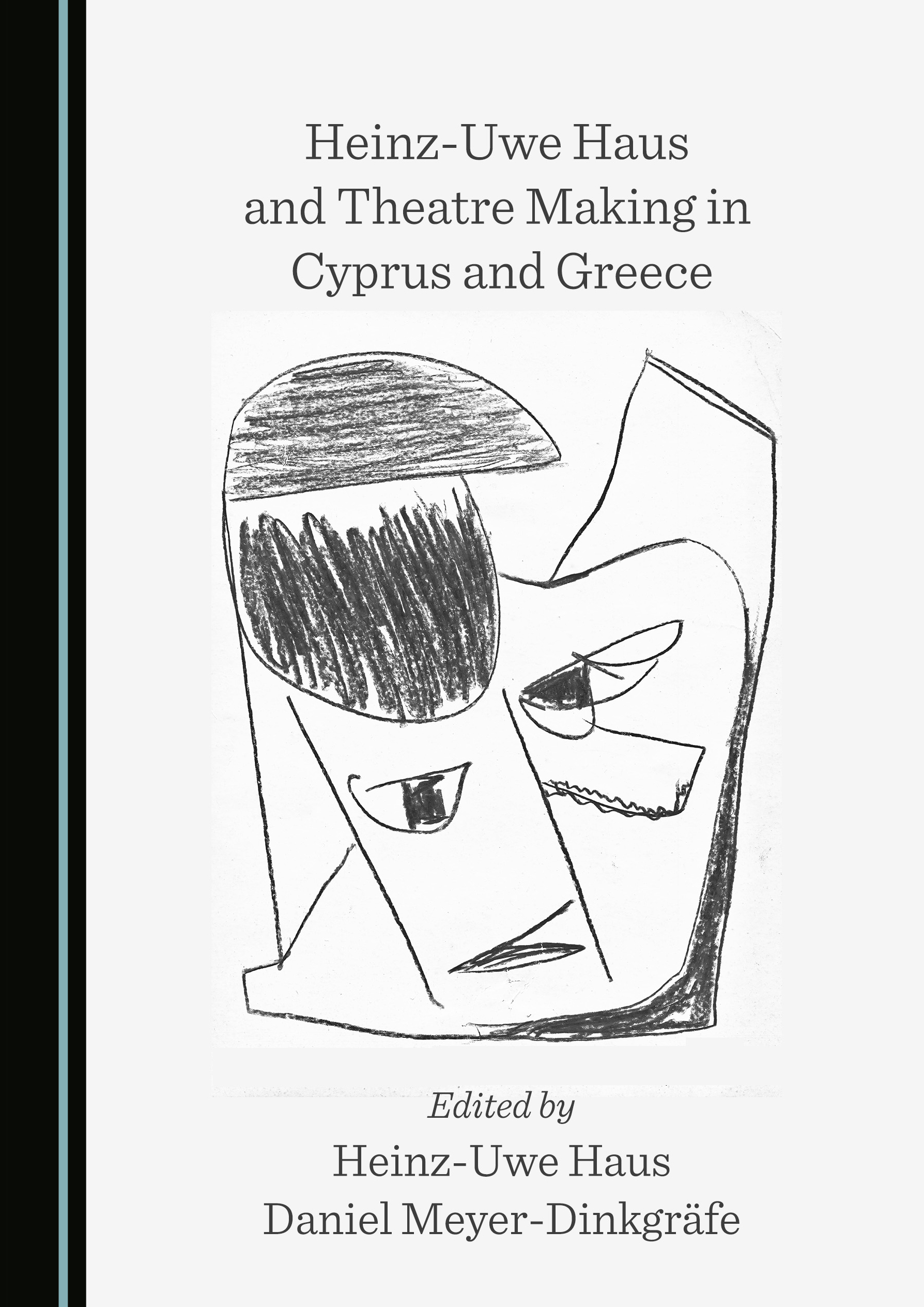
This book presents writings on Heinz-Uwe Haus's productions of Brecht and ancient Greek drama in Cyprus and Greece, beginning with his 1975 launch of the Cyprus National Theatre. It includes reviews, academic articles, and reflections by Haus, cast members, and designers.
This book presents writings on Heinz-Uwe Haus’s productions of Brecht and ancient Greek drama in Cyprus and Greece, beginning with his 1975 launch of the Cyprus National Theatre. It includes reviews, academic articles, and reflections by Haus, cast members, and designers.
View more
This product has multiple variants. The options may be chosen on the product page

View more
This product has multiple variants. The options may be chosen on the product page
Au Naturel
(Re)Reading Hispanic Naturalism
The essays in this collection propose a major revision of Hispanic naturalism. Reframing it as a phenomenon that transcends time, they demonstrate how naturalist texts–literary and filmic–engage societal problems from the 19th century to the present day.
The essays in this collection propose a major revision of Hispanic naturalism. Reframing it as a phenomenon that transcends time, they demonstrate how naturalist texts–literary and filmic–engage societal problems from the 19th century to the present day.
View more
This product has multiple variants. The options may be chosen on the product page
View more
This product has multiple variants. The options may be chosen on the product page
£52.99
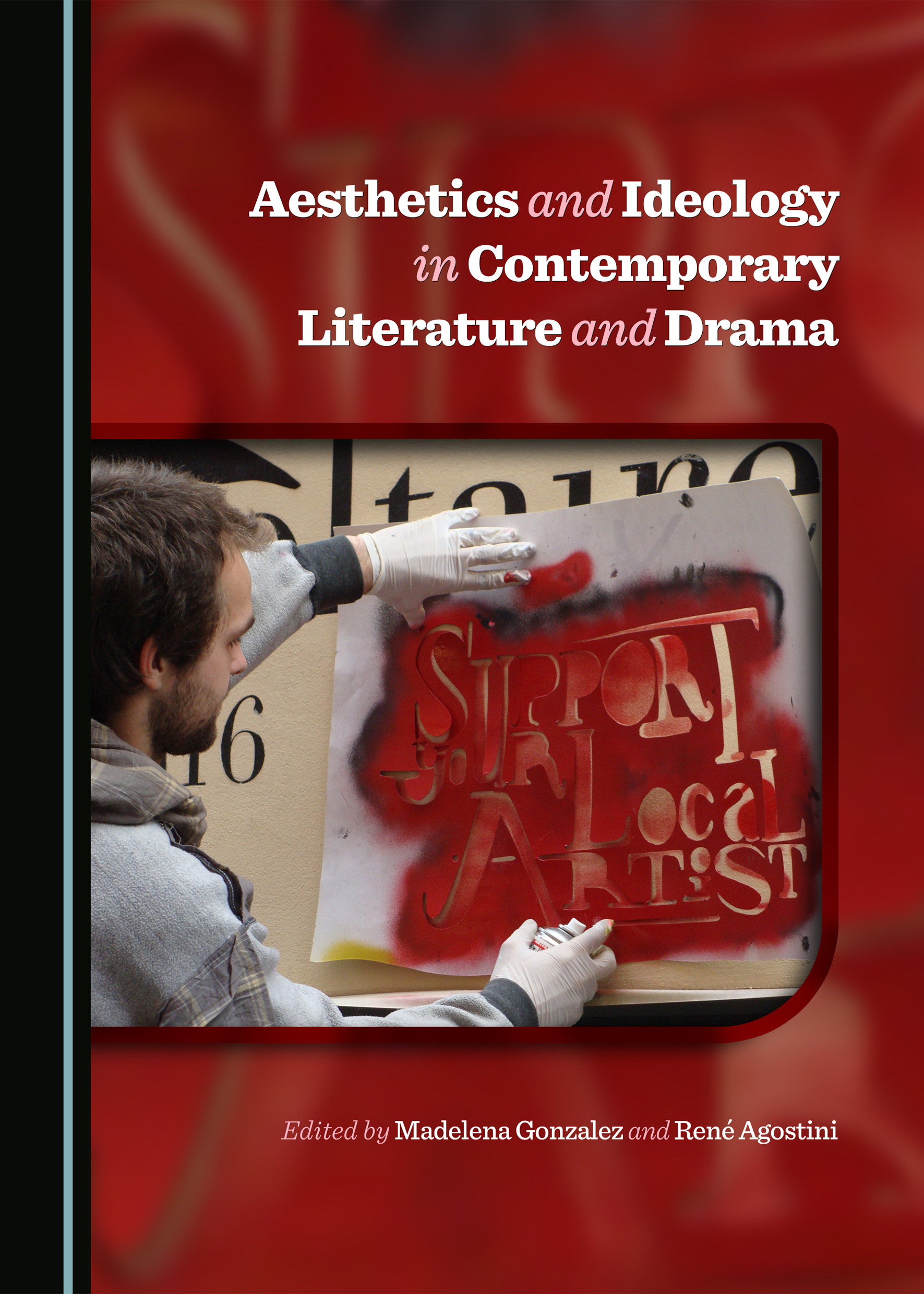
What is the value of art in an age of corporatized knowledge? This volume explores the crucial intersection of aesthetics and ideology. Through a wide range of international examples, these essays argue that the arts are fundamental to any progress in society.
What is the value of art in an age of corporatized knowledge? This volume explores the crucial intersection of aesthetics and ideology. Through a wide range of international examples, these essays argue that the arts are fundamental to any progress in society.
View more
This product has multiple variants. The options may be chosen on the product page

View more
This product has multiple variants. The options may be chosen on the product page
The Flâneur Abroad
Historical and International Perspectives
This volume offers new perspectives on the flâneur, mapping the figure’s travels beyond Paris. It explores the flâneur in international cities and across visual media, revising stereotypes and reconsidering the nature of this cultural icon.
This volume offers new perspectives on the flâneur, mapping the figure’s travels beyond Paris. It explores the flâneur in international cities and across visual media, revising stereotypes and reconsidering the nature of this cultural icon.
View more
This product has multiple variants. The options may be chosen on the product page
View more
This product has multiple variants. The options may be chosen on the product page
Longing, Weakness and Temptation
From Myth to Artistic Creations
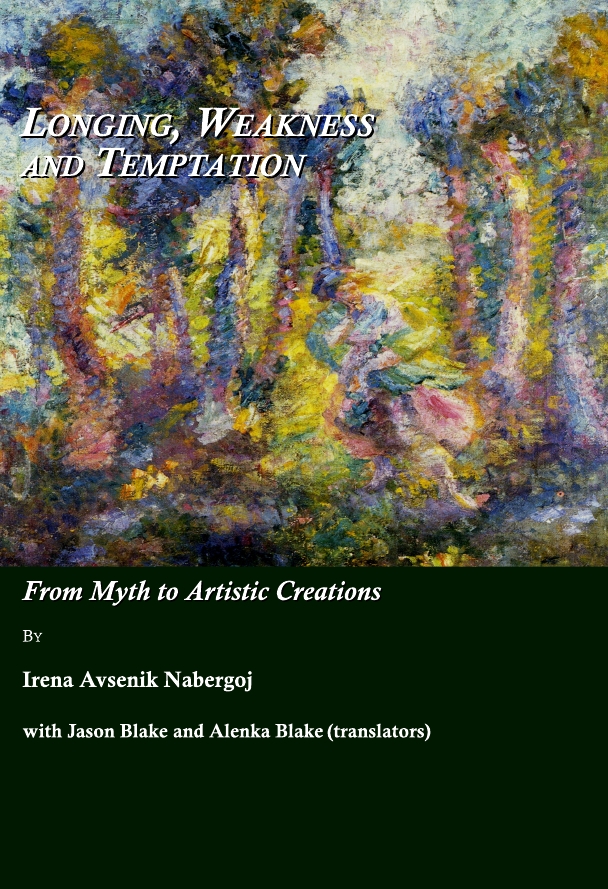
This book explores the universal themes of longing, weakness, and temptation by comparing literary works influenced by biblical and classic texts. It shows how the source text speaks through the new work and how the new work forces new meanings from the source.
This book explores the universal themes of longing, weakness, and temptation by comparing literary works influenced by biblical and classic texts. It shows how the source text speaks through the new work and how the new work forces new meanings from the source.
View more
This product has multiple variants. The options may be chosen on the product page
View more
This product has multiple variants. The options may be chosen on the product page
£41.99
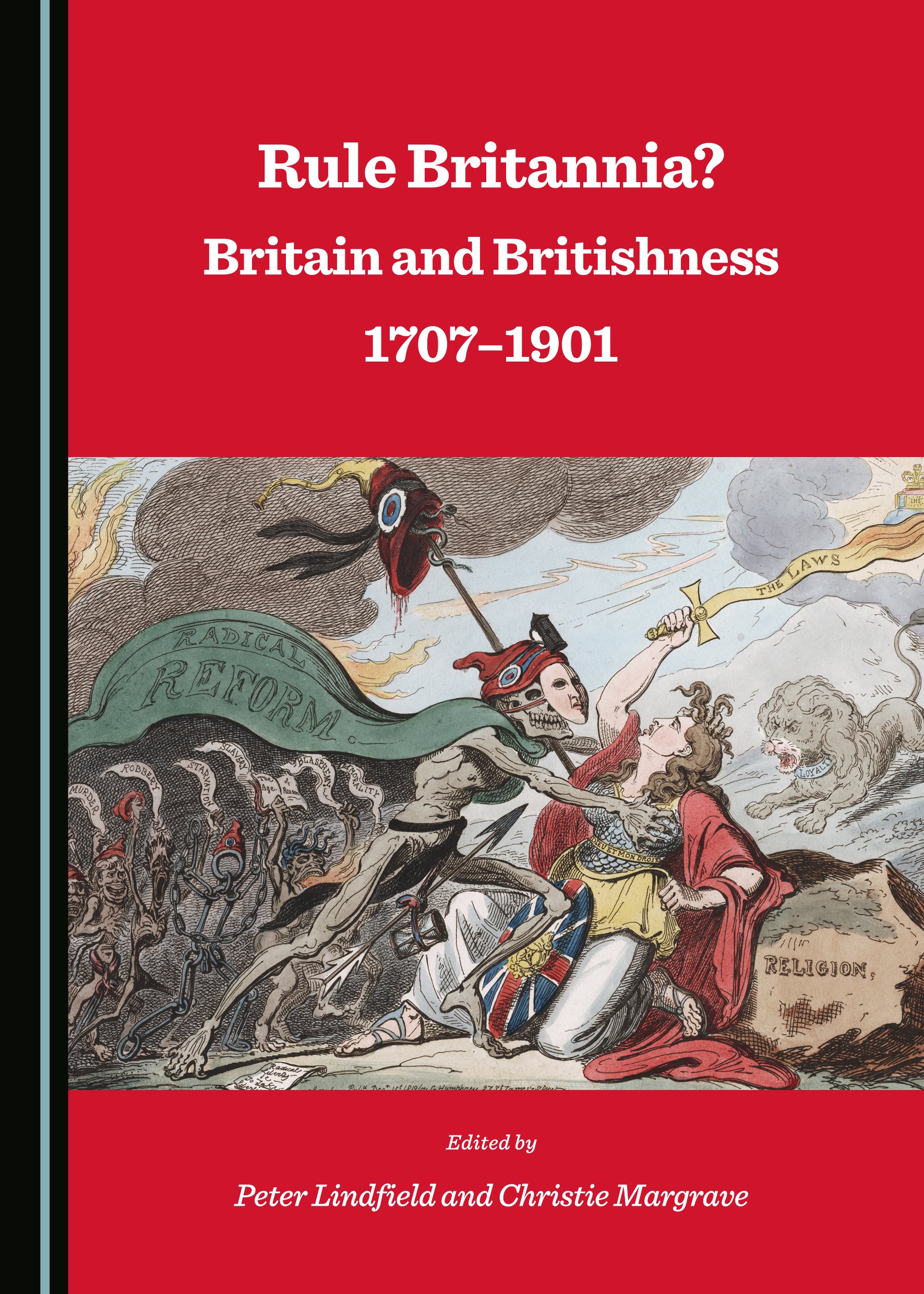
Britishness is a challenging term to define. This volume enhances our understanding of modern national identity by exploring historical ideas of Britishness through essays on literature, philosophy, music, art, and design, revealing its rich forging.
Britishness is a challenging term to define. This volume enhances our understanding of modern national identity by exploring historical ideas of Britishness through essays on literature, philosophy, music, art, and design, revealing its rich forging.
View more
This product has multiple variants. The options may be chosen on the product page
View more
This product has multiple variants. The options may be chosen on the product page
£34.99
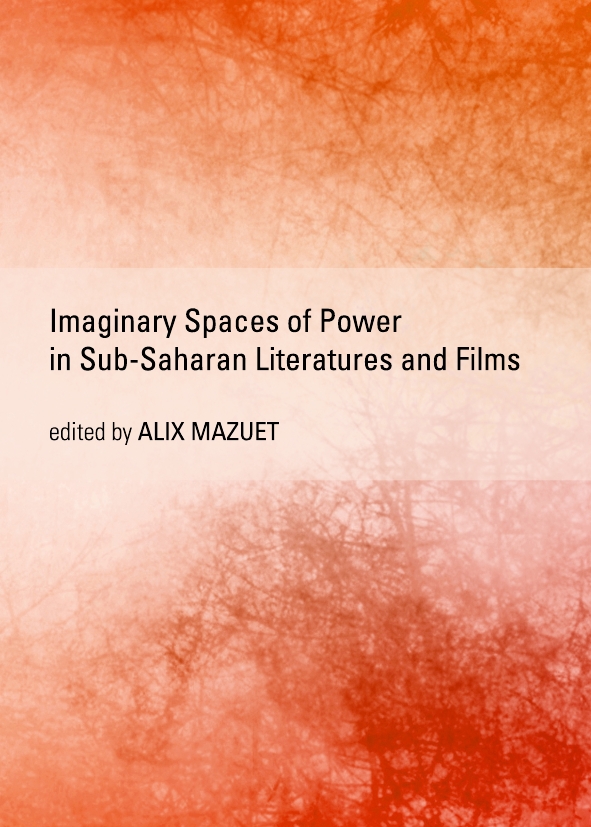
This unique collection of essays explores the relationships between power and culture in sub-Saharan Africa through its French-language literature and cinema. Its deft analyses move beyond the rhetoric of crisis to present a critical reflection linked to global culture.
This unique collection of essays explores the relationships between power and culture in sub-Saharan Africa through its French-language literature and cinema. Its deft analyses move beyond the rhetoric of crisis to present a critical reflection linked to global culture.
View more
This product has multiple variants. The options may be chosen on the product page
View more
This product has multiple variants. The options may be chosen on the product page
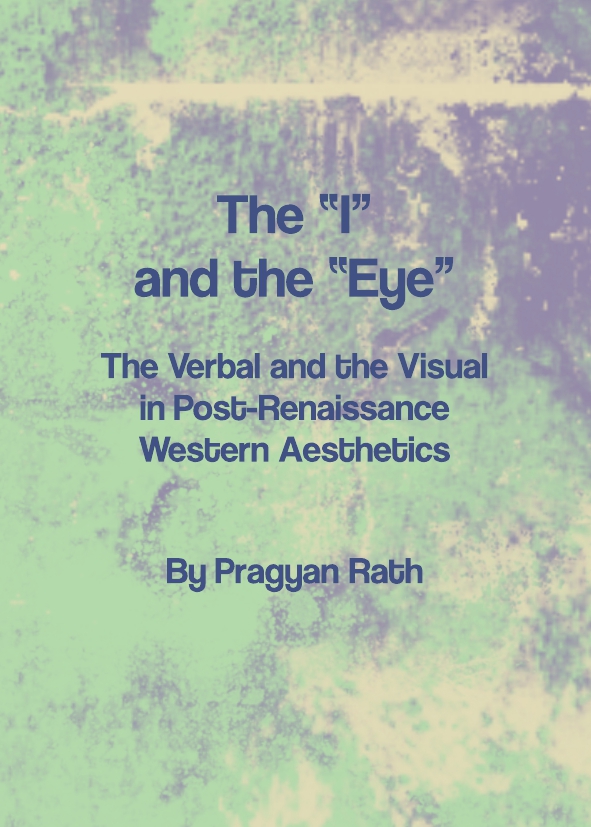
The “I” and the “Eye”
The Verbal and the Visual in Post-Renaissance Western Aesthetics
Tracing the opposition between verbal and visual arts from Lessing to Greenberg, the author delineates it as a history of diffusions, displacements and idealist reparations of class division.
Tracing the opposition between verbal and visual arts from Lessing to Greenberg, the author delineates it as a history of diffusions, displacements and idealist reparations of class division.
View more
This product has multiple variants. The options may be chosen on the product page
View more
This product has multiple variants. The options may be chosen on the product page
£39.99
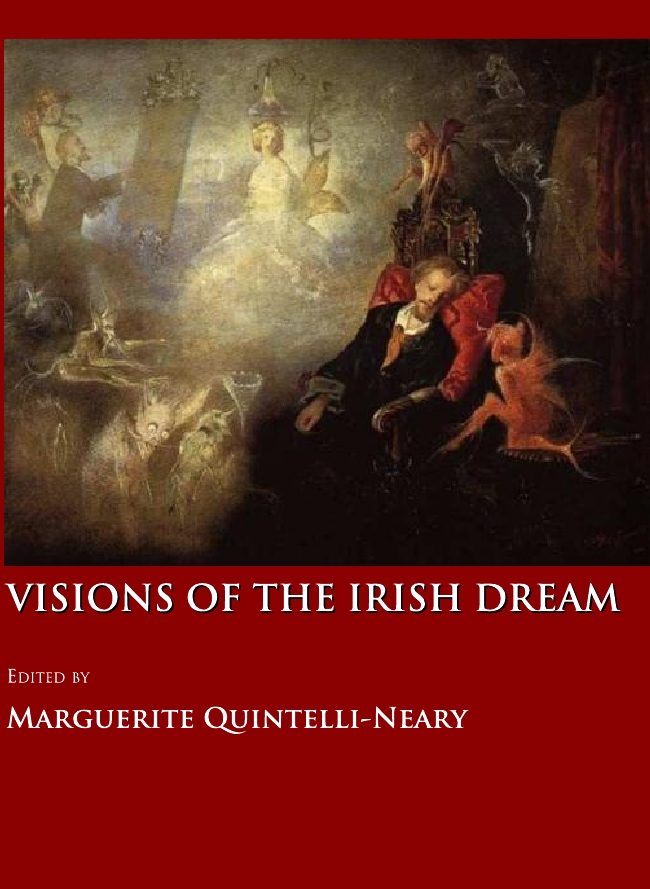
These essays examine the elusive dream of the Irish and Irish Americans. From 19th-century emigrants to contemporary artists, this study explores the conflicted visions of a people striving to come to terms with what it means to be Irish.
These essays examine the elusive dream of the Irish and Irish Americans. From 19th-century emigrants to contemporary artists, this study explores the conflicted visions of a people striving to come to terms with what it means to be Irish.
View more
This product has multiple variants. The options may be chosen on the product page
View more
This product has multiple variants. The options may be chosen on the product page
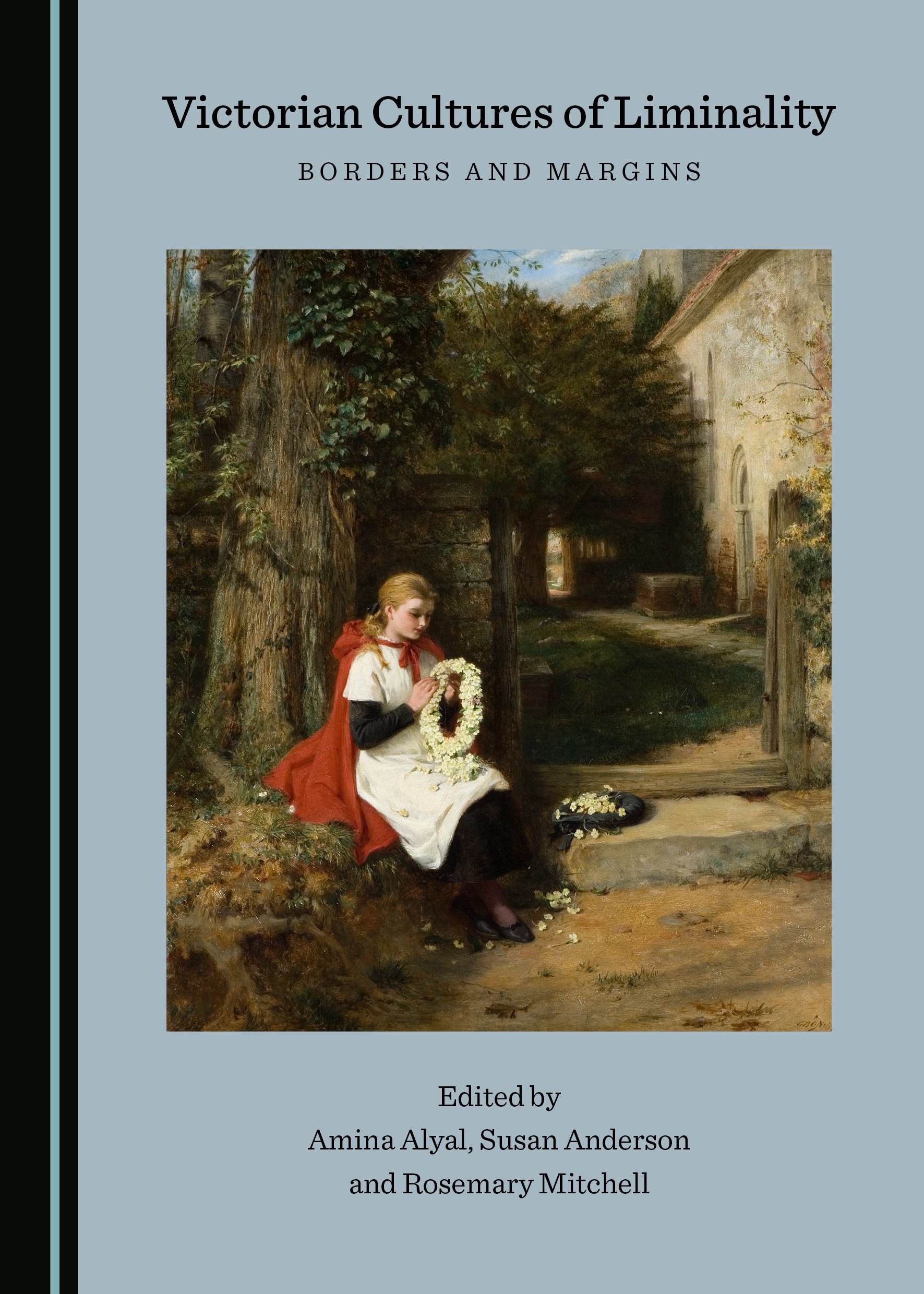
Victorian Cultures of Liminality
Borders and Margins
This volume focuses on cross-fertilisation in the arts, liminal spaces, and marginal figures. It contributes to scholarship on Anglo-French exchanges, evoking a sense of temporal shift as nineteenth-century values progress and showing how pictures and texts shape identity.
This volume focuses on cross-fertilisation in the arts, liminal spaces, and marginal figures. It contributes to scholarship on Anglo-French exchanges, evoking a sense of temporal shift as nineteenth-century values progress and showing how pictures and texts shape identity.
View more
This product has multiple variants. The options may be chosen on the product page
View more
This product has multiple variants. The options may be chosen on the product page
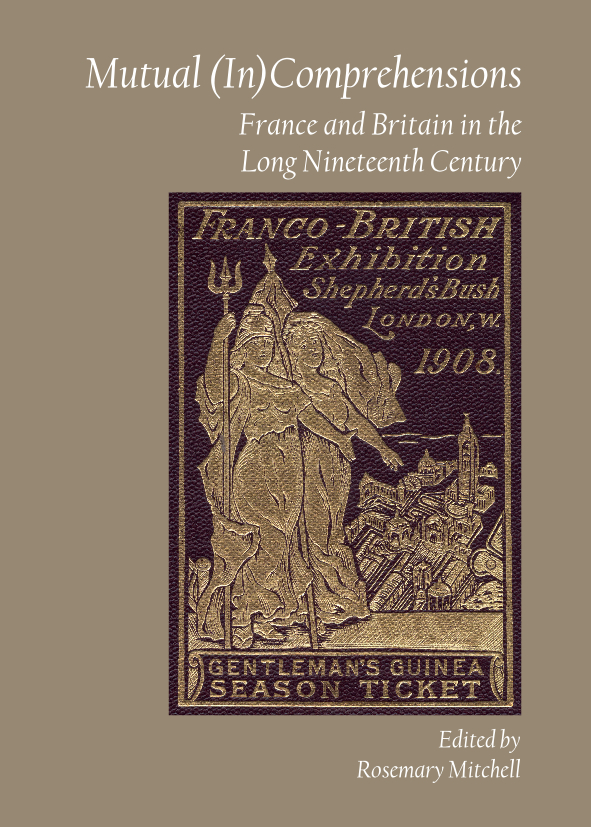
Mutual (In)Comprehensions
France and Britain in the Long Nineteenth Century
This collection of essays explores the complex relationship between France and Britain in the nineteenth century. With both admiration and anxiety, each nation used its “best enemy” to shape its own national identity through art, literature, and history.
This collection of essays explores the complex relationship between France and Britain in the nineteenth century. With both admiration and anxiety, each nation used its “best enemy” to shape its own national identity through art, literature, and history.
View more
This product has multiple variants. The options may be chosen on the product page
View more
This product has multiple variants. The options may be chosen on the product page
£61.99
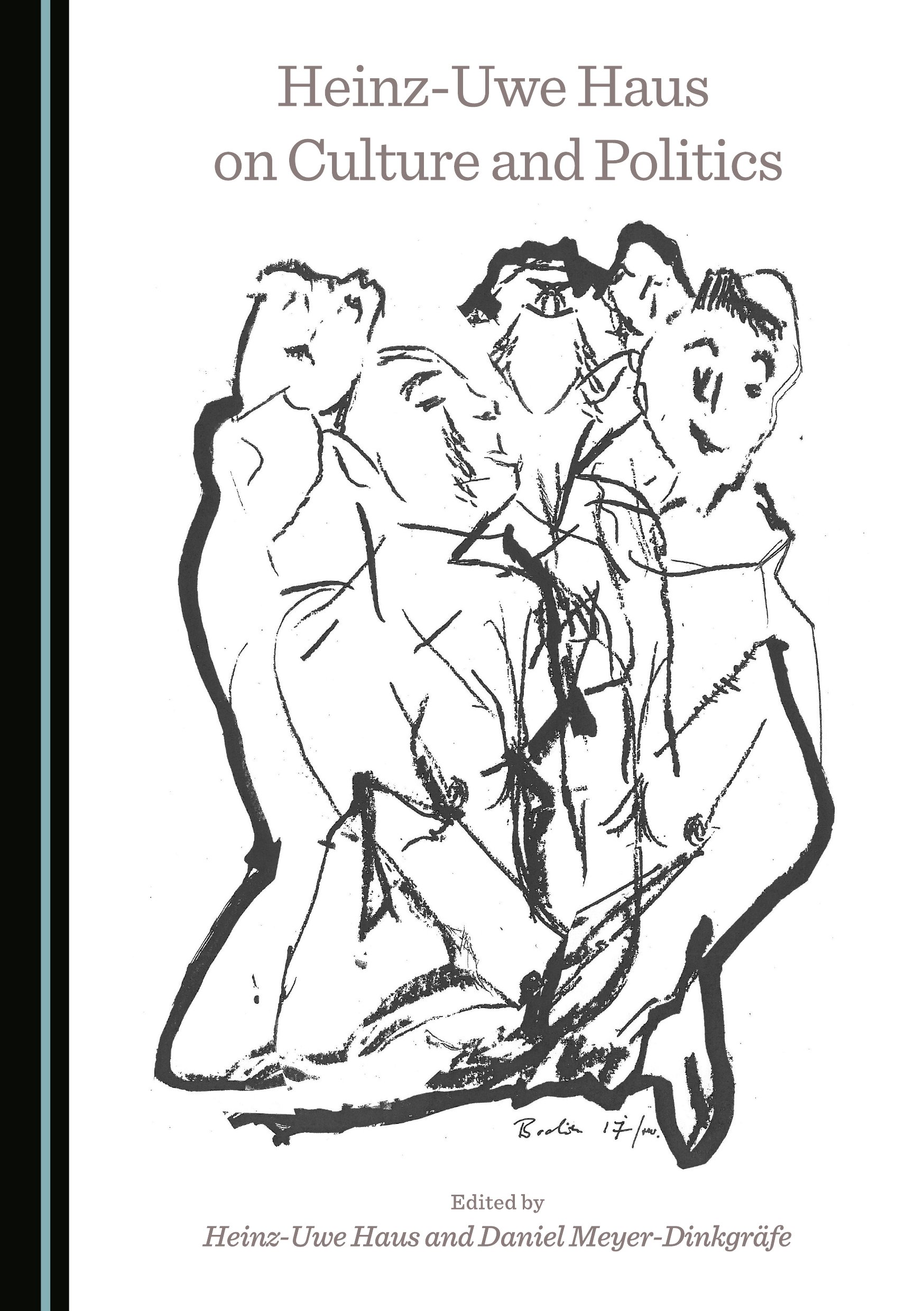
Heinz-Uwe Haus, a leading voice in the collapse of communism in the GDR, combined politics and theatre. In this book, he provides a unique insider's narrative of German unification and its aftermath, widening the context to current issues through the lens of theatre.
Heinz-Uwe Haus, a leading voice in the collapse of communism in the GDR, combined politics and theatre. In this book, he provides a unique insider’s narrative of German unification and its aftermath, widening the context to current issues through the lens of theatre.
View more
This product has multiple variants. The options may be chosen on the product page
Processing Your Order
Please wait while we securely process your order.
Do not refresh or leave this page.
You will be redirected shortly to a confirmation page with your order number.