
View more
This product has multiple variants. The options may be chosen on the product page
£61.99
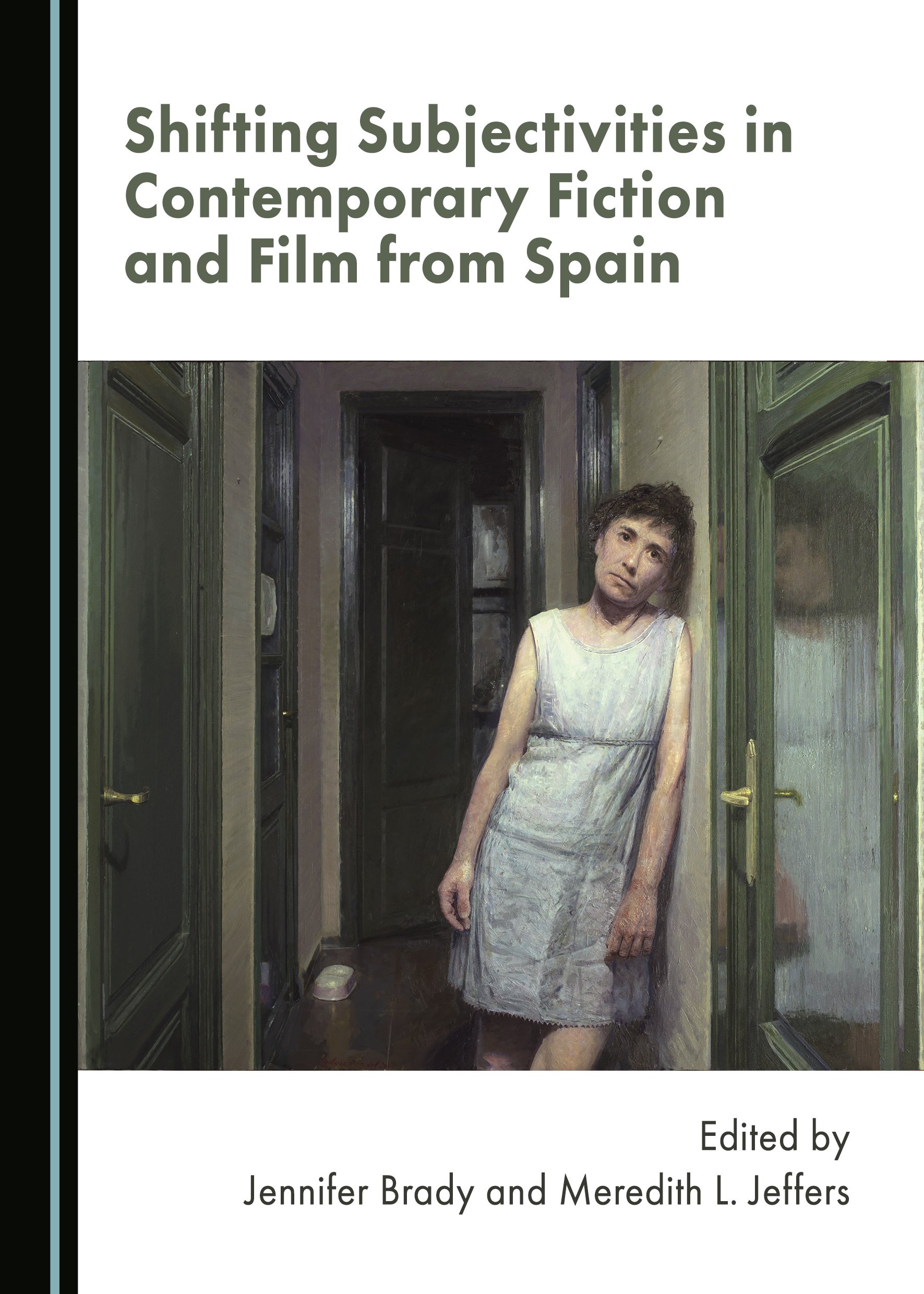
This edited volume analyses shifting notions of self as represented in films and novels written and produced in Spain in the twenty-first century. In doing so, it establishes an international dialogue of multicultural perspectives on trends in contemporary Spain.
This edited volume analyses shifting notions of self as represented in films and novels written and produced in Spain in the twenty-first century. In doing so, it establishes an international dialogue of multicultural perspectives on trends in contemporary Spain.
View more
This product has multiple variants. The options may be chosen on the product page
View more
This product has multiple variants. The options may be chosen on the product page
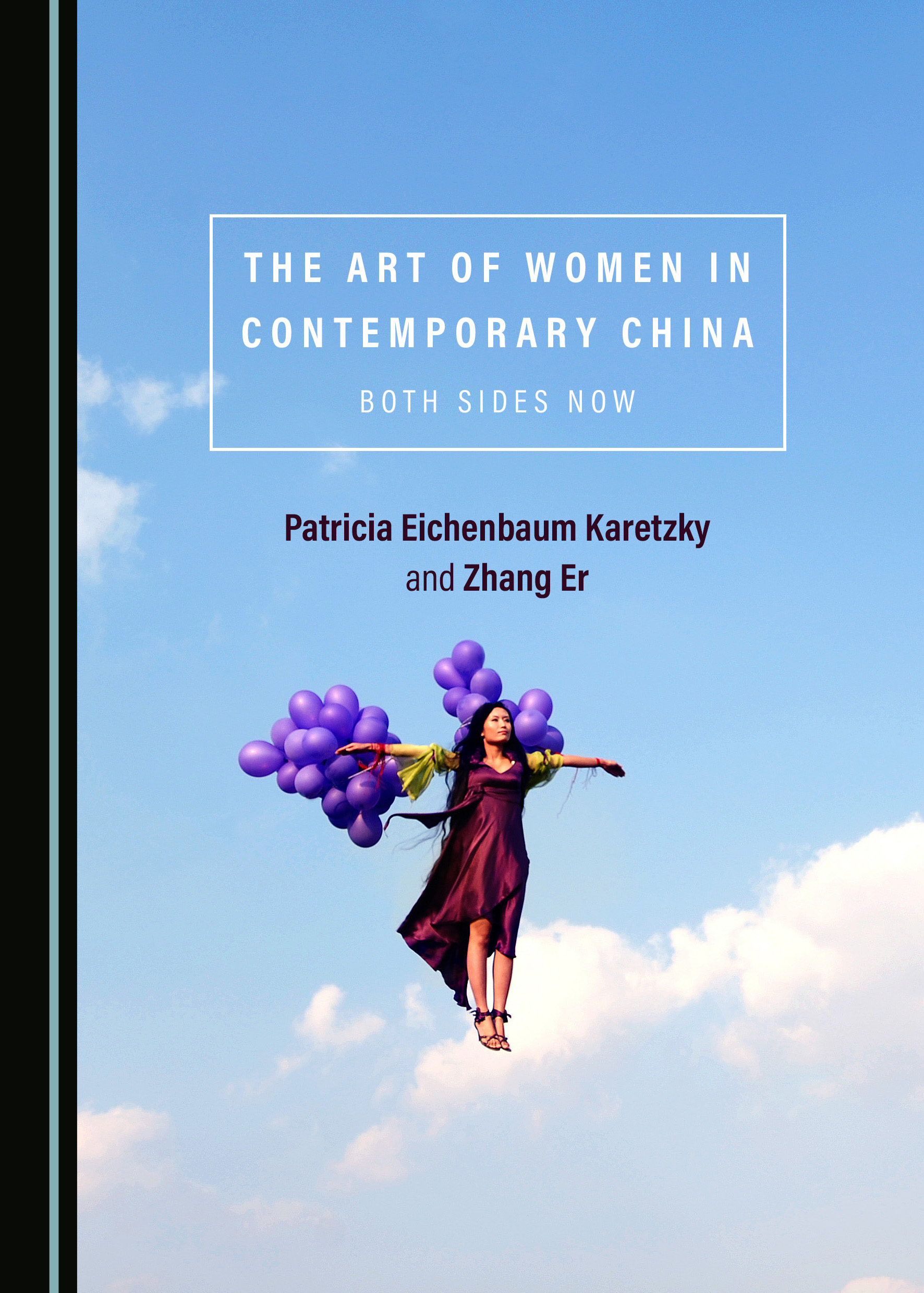
The Art of Women in Contemporary China
Both Sides Now
This book presents the work of over 75 Chinese female artists in visual art and poetry. Their work explores the experience of being a woman through themes of the body, home, fantasy, and social conscience. This unique volume pairs poetry with art, articulating shared concerns.
This book presents the work of over 75 Chinese female artists in visual art and poetry. Their work explores the experience of being a woman through themes of the body, home, fantasy, and social conscience. This unique volume pairs poetry with art, articulating shared concerns.
View more
This product has multiple variants. The options may be chosen on the product page
View more
This product has multiple variants. The options may be chosen on the product page
The Future of Text and Image
Collected Essays on Literary and Visual Conjunctures
This volume explores the evolving relationship between text and image in literature. Scholars examine this dynamic across diverse forms—from novels and poetry to collage books and digital poetry—reflecting the significance of the visual in today’s image culture.
This volume explores the evolving relationship between text and image in literature. Scholars examine this dynamic across diverse forms—from novels and poetry to collage books and digital poetry—reflecting the significance of the visual in today’s image culture.
View more
This product has multiple variants. The options may be chosen on the product page
View more
This product has multiple variants. The options may be chosen on the product page
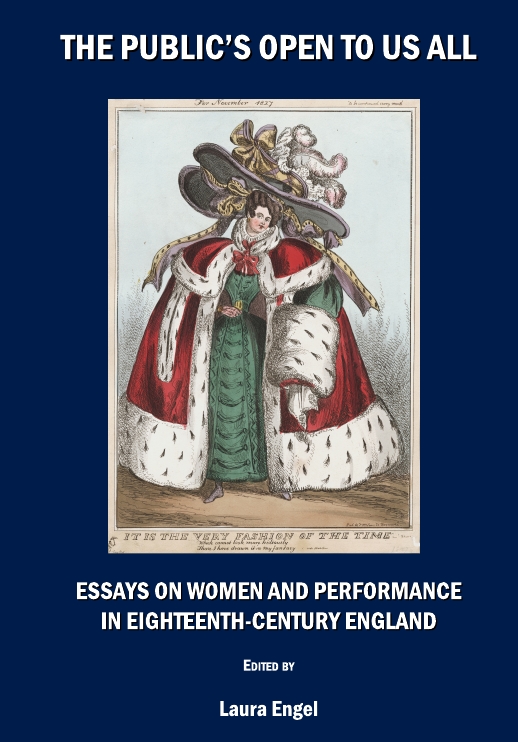
The Public’s Open to Us All
Essays on Women and Performance in Eighteenth-Century England
These essays explore how women in 18th-century England used performance to negotiate the public world. As the first actresses, playwrights, and entrepreneurs emerged, they redefined femininity, challenged traditional roles, and shaped cultural imagination.
These essays explore how women in 18th-century England used performance to negotiate the public world. As the first actresses, playwrights, and entrepreneurs emerged, they redefined femininity, challenged traditional roles, and shaped cultural imagination.
View more
This product has multiple variants. The options may be chosen on the product page
View more
This product has multiple variants. The options may be chosen on the product page
£39.99
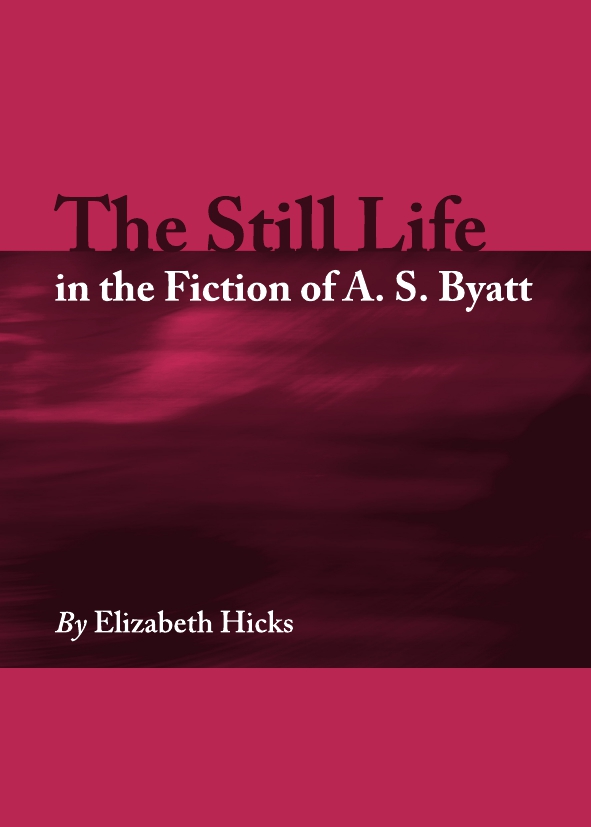
This book explores A. S. Byatt's visual and verbal still lifes. It shows how her rich descriptions celebrate realism, textual pleasure, and sexuality, while also revealing character and class, and teasing out the tension between living passion and "cold" artwork.
This book explores A. S. Byatt’s visual and verbal still lifes. It shows how her rich descriptions celebrate realism, textual pleasure, and sexuality, while also revealing character and class, and teasing out the tension between living passion and “cold” artwork.
View more
This product has multiple variants. The options may be chosen on the product page

View more
This product has multiple variants. The options may be chosen on the product page
Transgressing Women
Space and The Body in Contemporary Noir Thrillers
Transgressing Women focuses on the 'other' female characters of the noir world, beyond the femme fatale. The book traces these transgressive figures in contemporary novels and films, analyzing their dramatic evolution through feminist and postmodernist theory.
Transgressing Women focuses on the ‘other’ female characters of the noir world, beyond the femme fatale. The book traces these transgressive figures in contemporary novels and films, analyzing their dramatic evolution through feminist and postmodernist theory.
View more
This product has multiple variants. The options may be chosen on the product page
View more
This product has multiple variants. The options may be chosen on the product page
We Speak a Different Tongue
Maverick Voices and Modernity 1890–1939
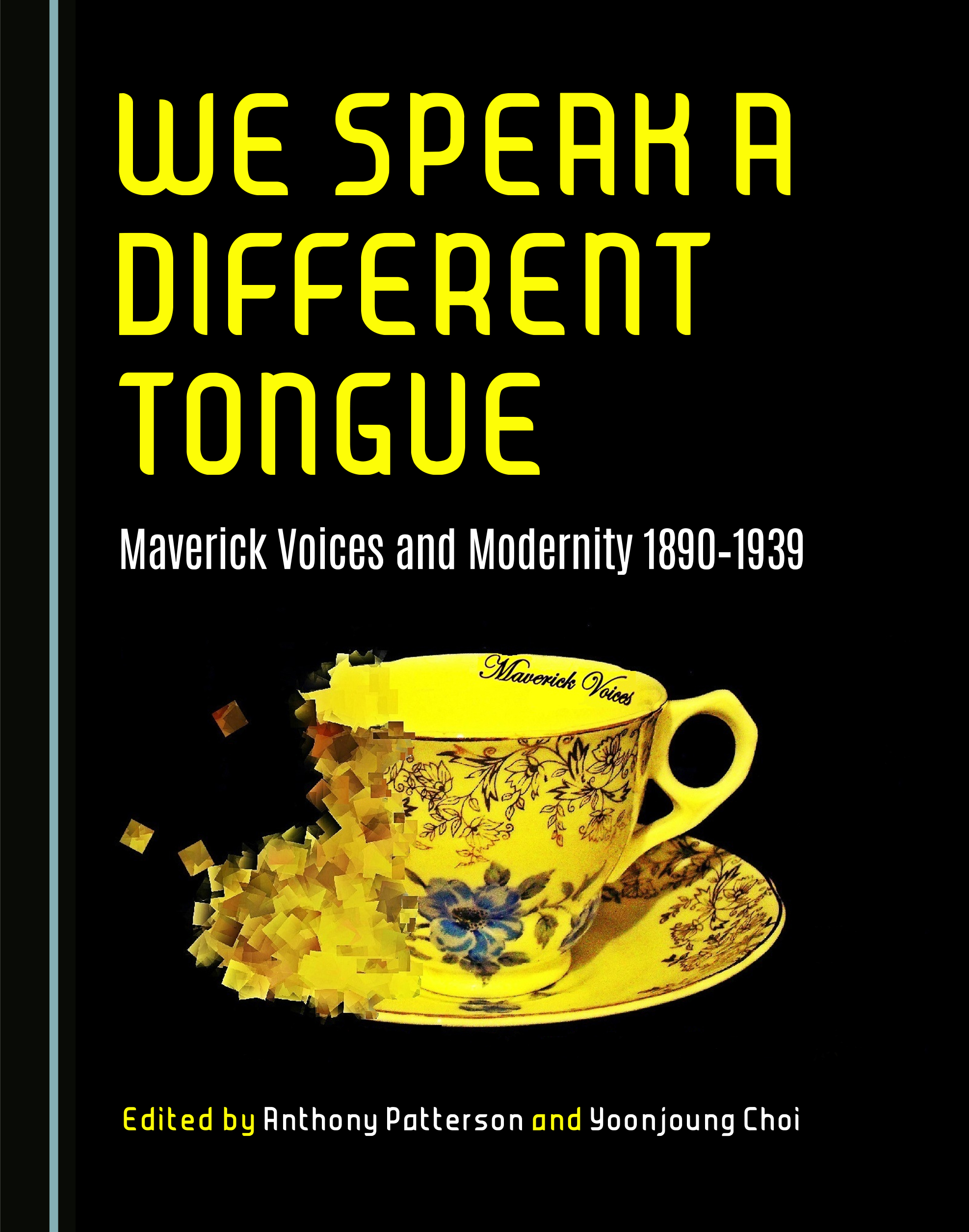
This collection challenges the privileging of modernism, focusing instead on modernity. It foregrounds marginalised writers—from H.G. Wells to Djuna Barnes—who responded to the era's tensions with innovations distinct from modernist experimentation.
This collection challenges the privileging of modernism, focusing instead on modernity. It foregrounds marginalised writers—from H.G. Wells to Djuna Barnes—who responded to the era’s tensions with innovations distinct from modernist experimentation.
View more
This product has multiple variants. The options may be chosen on the product page
View more
This product has multiple variants. The options may be chosen on the product page
Westerns
Paperback Novels and Movies from Hollywood
Popular Westerns powerfully impacted U.S. and European culture. Collected here are new studies of classic films by John Ford and Clint Eastwood, as well as new studies of seldom-studied writers such as Charles Portis and Oakley Hall.
Popular Westerns powerfully impacted U.S. and European culture. Collected here are new studies of classic films by John Ford and Clint Eastwood, as well as new studies of seldom-studied writers such as Charles Portis and Oakley Hall.
View more
This product has multiple variants. The options may be chosen on the product page
View more
This product has multiple variants. The options may be chosen on the product page
£34.99
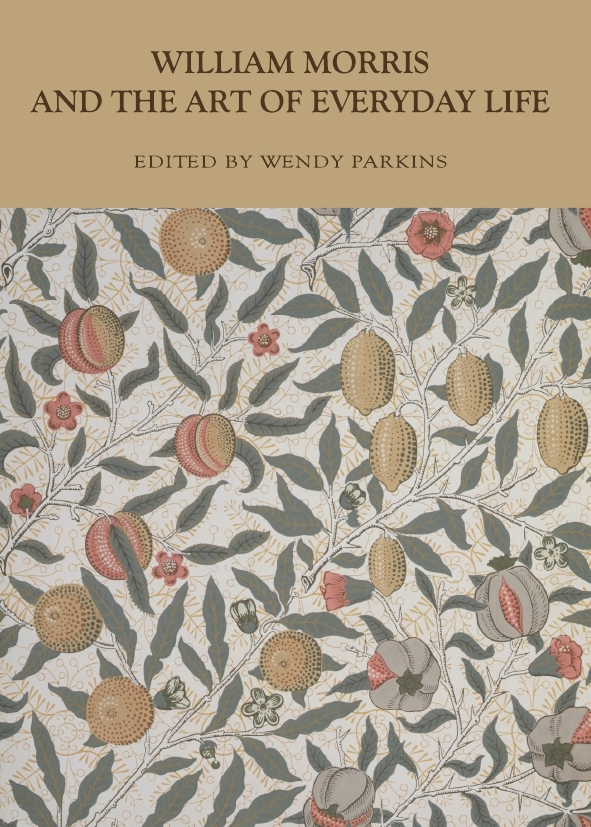
For William Morris, beauty in daily life was revolutionary. These essays explore how the everyday—from domestic interiors to utopian socialism—informed his art, politics, and radical call for social transformation, a vision that remains powerfully relevant.
For William Morris, beauty in daily life was revolutionary. These essays explore how the everyday—from domestic interiors to utopian socialism—informed his art, politics, and radical call for social transformation, a vision that remains powerfully relevant.
View more
This product has multiple variants. The options may be chosen on the product page
Processing Your Order
Please wait while we securely process your order.
Do not refresh or leave this page.
You will be redirected shortly to a confirmation page with your order number.