
View more
This product has multiple variants. The options may be chosen on the product page
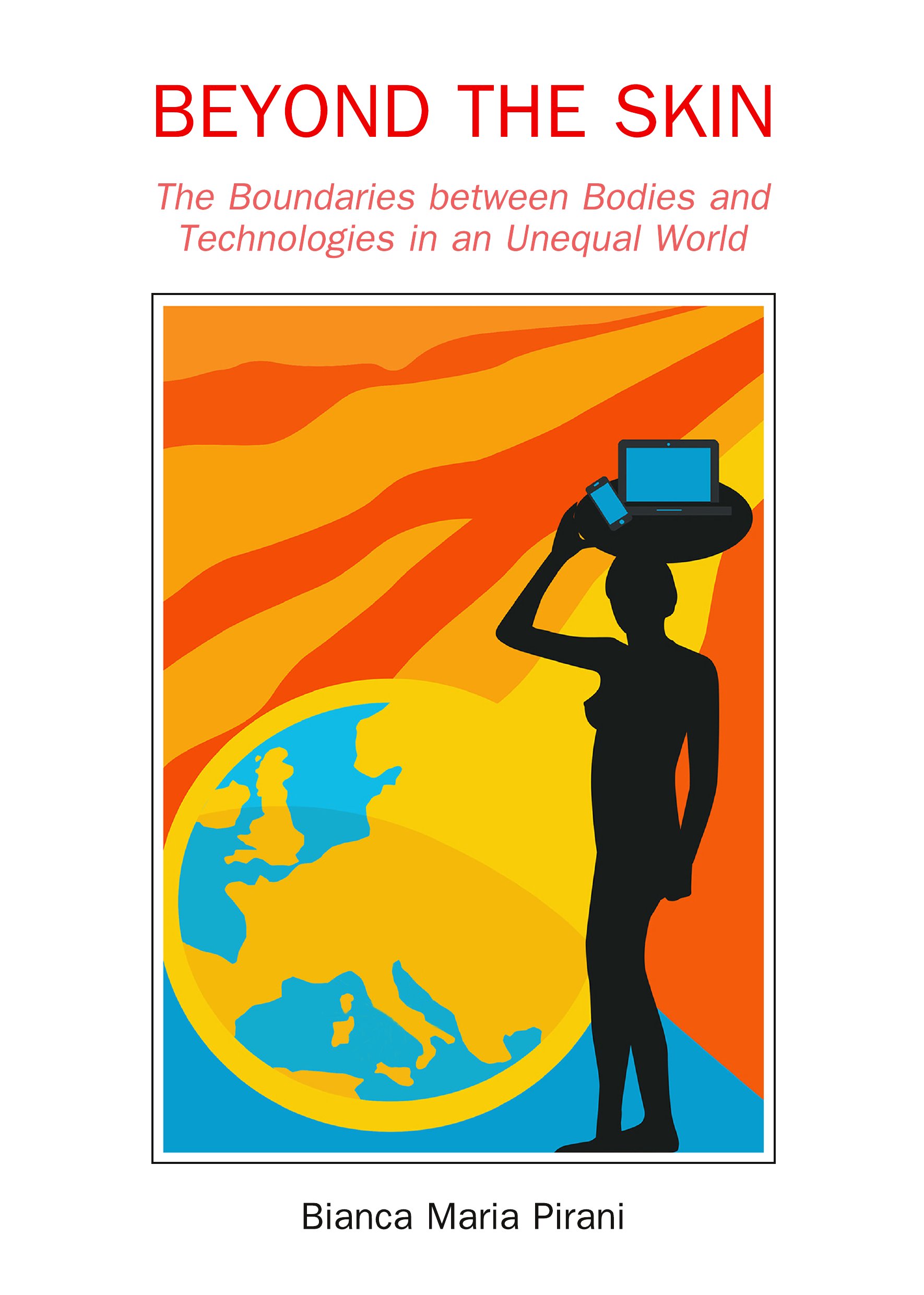
Beyond the Skin
The Boundaries between Bodies and Technologies in an Unequal World
"We are our bodies, we have our bodies, we make our bodies." In a world of multiplying screens that transforms us into spectators, how do we find our identity? This book explores the boundary between bodies and technology to reclaim the social.
“We are our bodies, we have our bodies, we make our bodies.” In a world of multiplying screens that transforms us into spectators, how do we find our identity? This book explores the boundary between bodies and technology to reclaim the social.
View more
This product has multiple variants. The options may be chosen on the product page

View more
This product has multiple variants. The options may be chosen on the product page
£44.99
A philosopher and artist analyzes the clash between government funding and censorship. Combining philosophical analysis with interviews with censored artists, this book reveals why freedom of expression is vital for a society to be both stimulating and safe.
A philosopher and artist analyzes the clash between government funding and censorship. Combining philosophical analysis with interviews with censored artists, this book reveals why freedom of expression is vital for a society to be both stimulating and safe.
View more
This product has multiple variants. The options may be chosen on the product page
View more
This product has multiple variants. The options may be chosen on the product page
£34.99
The public does not desire horror, yet enjoys it in art. In the monstrous marriage of the abject and the sublime, this thrill transforms the spectator into voyeur or victim. Representing horror means rendering it enjoyable—a game of limits that are no longer limits.
The public does not desire horror, yet enjoys it in art. In the monstrous marriage of the abject and the sublime, this thrill transforms the spectator into voyeur or victim. Representing horror means rendering it enjoyable—a game of limits that are no longer limits.
View more
This product has multiple variants. The options may be chosen on the product page
View more
This product has multiple variants. The options may be chosen on the product page
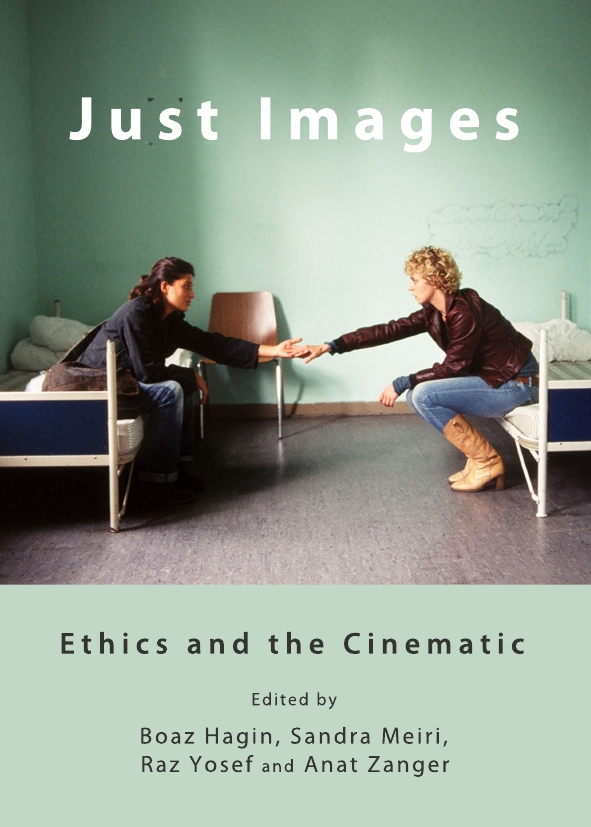
Just Images
Ethics and the Cinematic
This collection of essays explores the role ethics plays in the study of moving images. Scholars discuss how film engages with history, politics, trauma, and representations of the Other to reshape our thoughts on subjects like terrorism and conflict.
This collection of essays explores the role ethics plays in the study of moving images. Scholars discuss how film engages with history, politics, trauma, and representations of the Other to reshape our thoughts on subjects like terrorism and conflict.
View more
This product has multiple variants. The options may be chosen on the product page
View more
This product has multiple variants. The options may be chosen on the product page
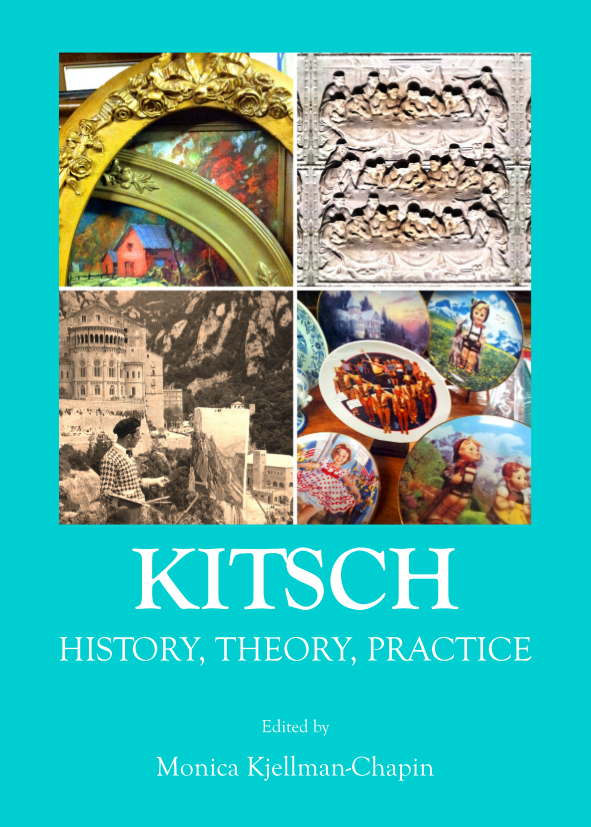
Kitsch
History, Theory, Practice
Often dismissed as facile or lowbrow, kitsch is surprisingly complex. The contributors to this collection address how and what kitsch might signify, moving well beyond the simple binaries of good/bad, high/low, or art/kitsch into far more rewarding territory.
Often dismissed as facile or lowbrow, kitsch is surprisingly complex. The contributors to this collection address how and what kitsch might signify, moving well beyond the simple binaries of good/bad, high/low, or art/kitsch into far more rewarding territory.
View more
This product has multiple variants. The options may be chosen on the product page
View more
This product has multiple variants. The options may be chosen on the product page
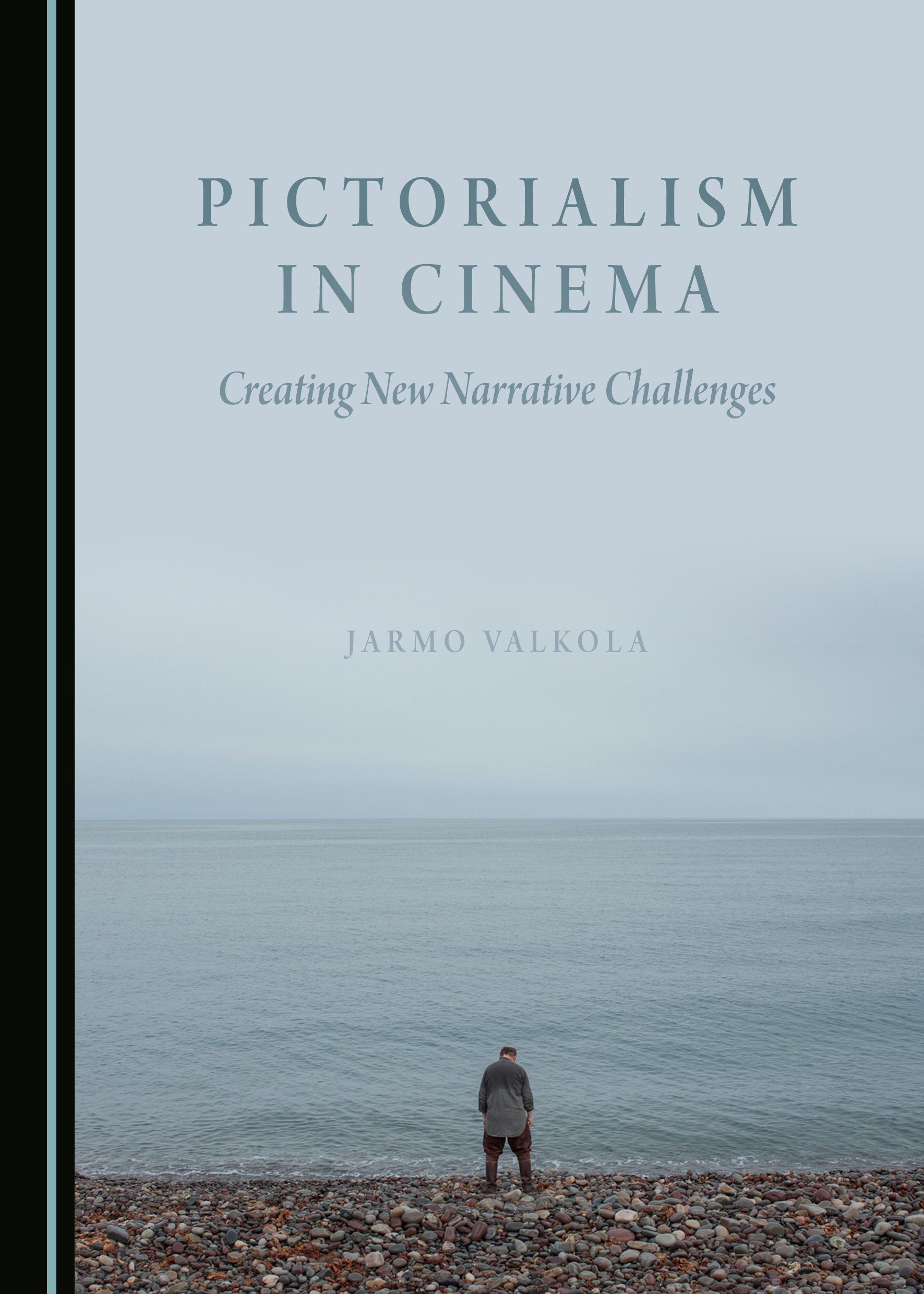
Pictorialism in Cinema
Creating New Narrative Challenges
Valkola extensively explores the unique phenomenon of pictorialism and its connection with other arts in film and media studies, considering a number of theoretical and practical issues of filmic narration.
Valkola extensively explores the unique phenomenon of pictorialism and its connection with other arts in film and media studies, considering a number of theoretical and practical issues of filmic narration.
View more
This product has multiple variants. The options may be chosen on the product page
View more
This product has multiple variants. The options may be chosen on the product page
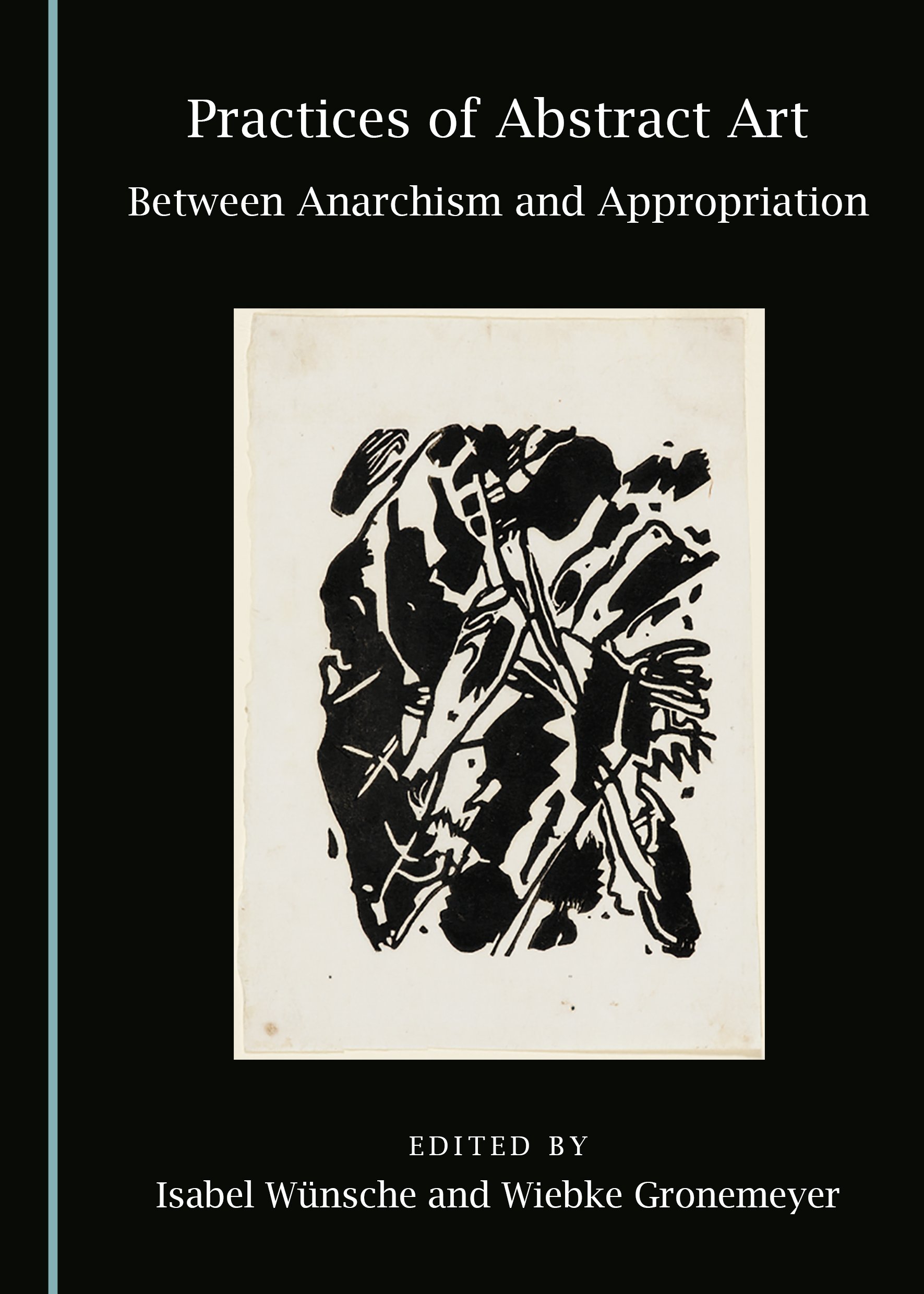
Practices of Abstract Art
Between Anarchism and Appropriation
Given the renewed interest in the phenomenon of abstract art, this collection of essays investigates the ambivalent role that abstraction has played in the visual arts and cultures of the last hundred years, engaging it in its increasingly diverse cultural environment.
Given the renewed interest in the phenomenon of abstract art, this collection of essays investigates the ambivalent role that abstraction has played in the visual arts and cultures of the last hundred years, engaging it in its increasingly diverse cultural environment.
View more
This product has multiple variants. The options may be chosen on the product page
View more
This product has multiple variants. The options may be chosen on the product page
£58.99
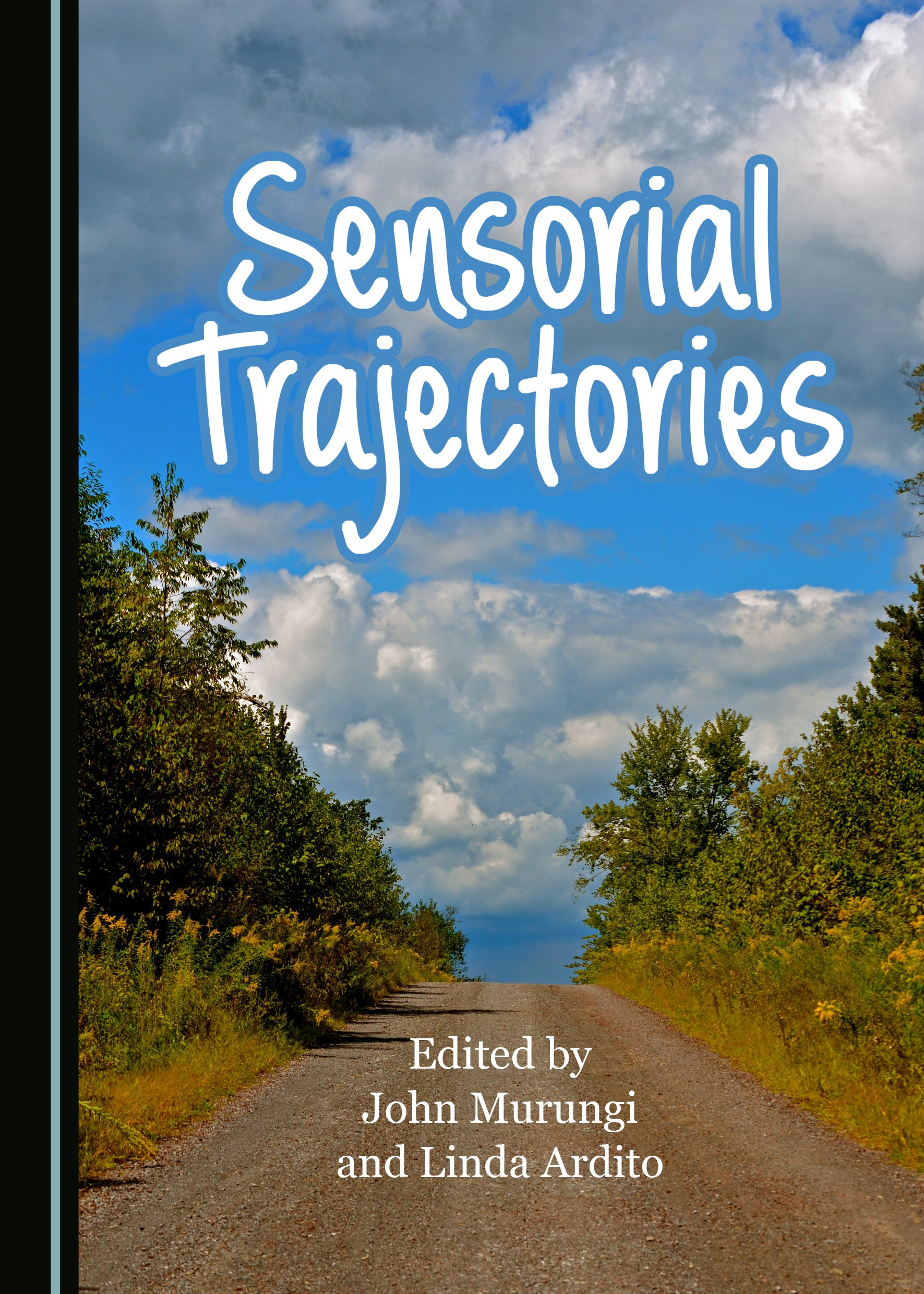
This anthology offers readers a greater appreciation of the thought-provoking, informative and compelling subject of the human senses and related sensuous trajectories. It will be of particular value to those interested in aesthetics and the arts.
This anthology offers readers a greater appreciation of the thought-provoking, informative and compelling subject of the human senses and related sensuous trajectories. It will be of particular value to those interested in aesthetics and the arts.
View more
This product has multiple variants. The options may be chosen on the product page
View more
This product has multiple variants. The options may be chosen on the product page
£34.99
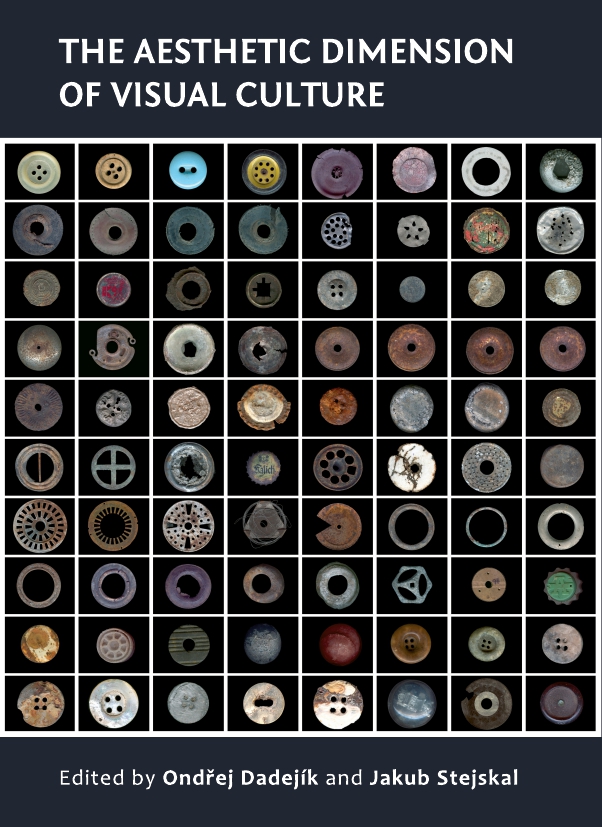
How can aesthetic enquiry contribute to the study of visual culture? The essays in this volume show a variety of points of intersection between aesthetics and visual studies, considering the future of art, aesthetic experience, and representation versus reality.
How can aesthetic enquiry contribute to the study of visual culture? The essays in this volume show a variety of points of intersection between aesthetics and visual studies, considering the future of art, aesthetic experience, and representation versus reality.
View more
This product has multiple variants. The options may be chosen on the product page
View more
This product has multiple variants. The options may be chosen on the product page
£58.99
Combs focuses on “cinematic knowing” as an expression of ludenic experience, and considers how this way of seeing has expanded our visual acuity and experience, including not only hindsight and foresight, but also insight and indeed even “blindsight”.
Combs focuses on “cinematic knowing” as an expression of ludenic experience, and considers how this way of seeing has expanded our visual acuity and experience, including not only hindsight and foresight, but also insight and indeed even “blindsight”.
View more
This product has multiple variants. The options may be chosen on the product page
View more
This product has multiple variants. The options may be chosen on the product page
£49.99
Once considered an archaic concept, the Sublime has returned to the critical agenda. This book asks why. Spanning philosophy, politics, popular cinema, and digital cultures, these essays explore the relevance and urgency of the Sublime for today's world.
Once considered an archaic concept, the Sublime has returned to the critical agenda. This book asks why. Spanning philosophy, politics, popular cinema, and digital cultures, these essays explore the relevance and urgency of the Sublime for today’s world.
View more
This product has multiple variants. The options may be chosen on the product page
View more
This product has multiple variants. The options may be chosen on the product page
Wit’s End
Making Sense of the Great Movies
This book studies the “Great Movies,” the enduring works of cinematic history. It attempts to “make sense” of these films to understand what they express about the universality of human life and the worlds they recreate on screen.
This book studies the “Great Movies,” the enduring works of cinematic history. It attempts to “make sense” of these films to understand what they express about the universality of human life and the worlds they recreate on screen.
View more
This product has multiple variants. The options may be chosen on the product page
Processing Your Order
Please wait while we securely process your order.
Do not refresh or leave this page.
You will be redirected shortly to a confirmation page with your order number.