

View more
This product has multiple variants. The options may be chosen on the product page
£34.99
This critical and historical anthology looks at 1968, bringing together scholars, critics, and media-makers. Their work engages the period’s international activism through close readings of cultural production, from mass media to avant-garde practices.
This critical and historical anthology looks at 1968, bringing together scholars, critics, and media-makers. Their work engages the period’s international activism through close readings of cultural production, from mass media to avant-garde practices.
View more
This product has multiple variants. The options may be chosen on the product page
View more
This product has multiple variants. The options may be chosen on the product page
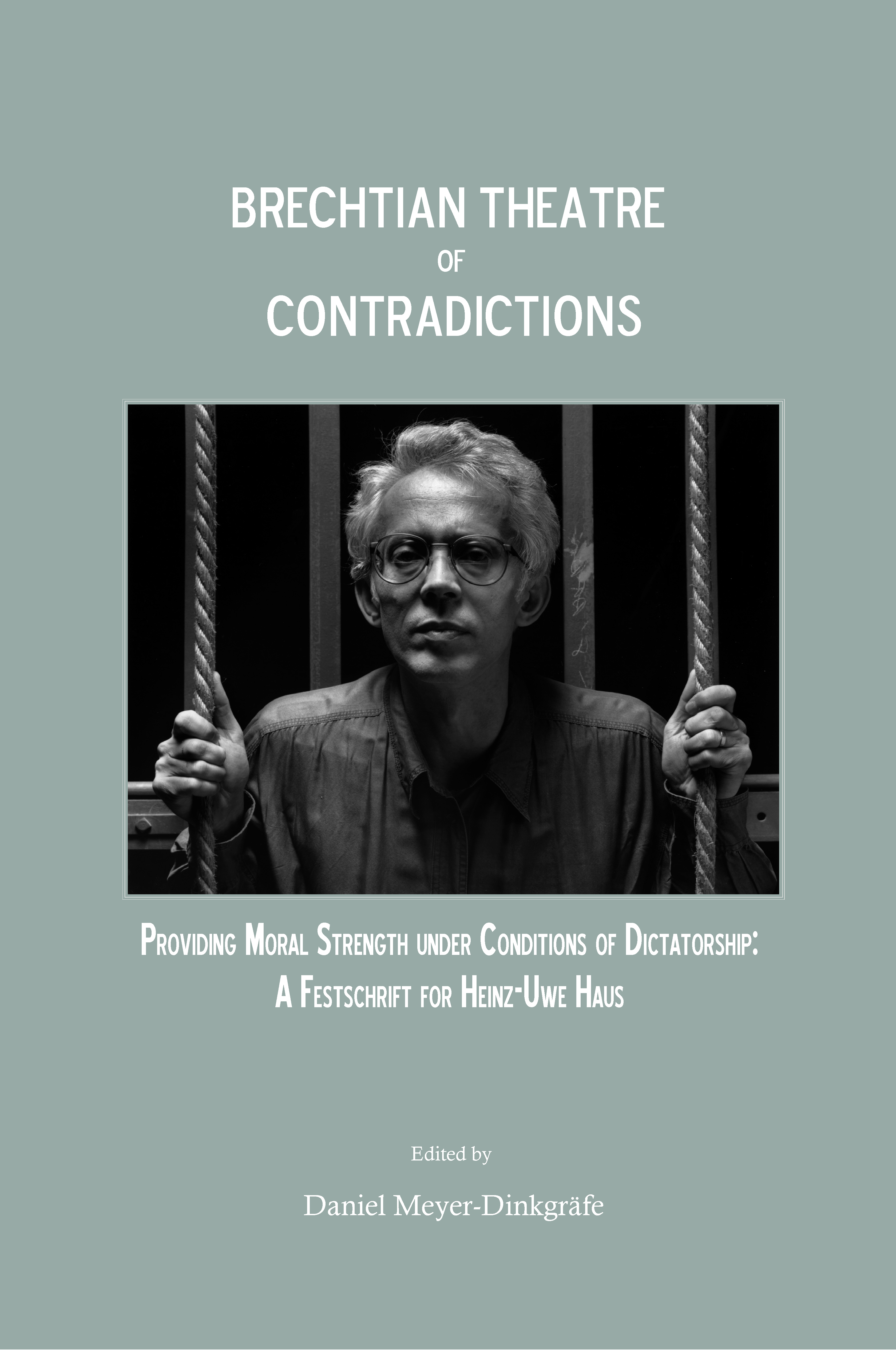
Brechtian Theatre of Contradictions
Providing Moral Strength under Conditions of Dictatorship
An opponent of the GDR's totalitarian regime, director Heinz-Uwe Haus used theatre to provide moral strength and survive dictatorship. This book collects his work to alert the present about a past too easily misrepresented, hushed up, and forgotten.
An opponent of the GDR’s totalitarian regime, director Heinz-Uwe Haus used theatre to provide moral strength and survive dictatorship. This book collects his work to alert the present about a past too easily misrepresented, hushed up, and forgotten.
View more
This product has multiple variants. The options may be chosen on the product page
View more
This product has multiple variants. The options may be chosen on the product page
£41.99
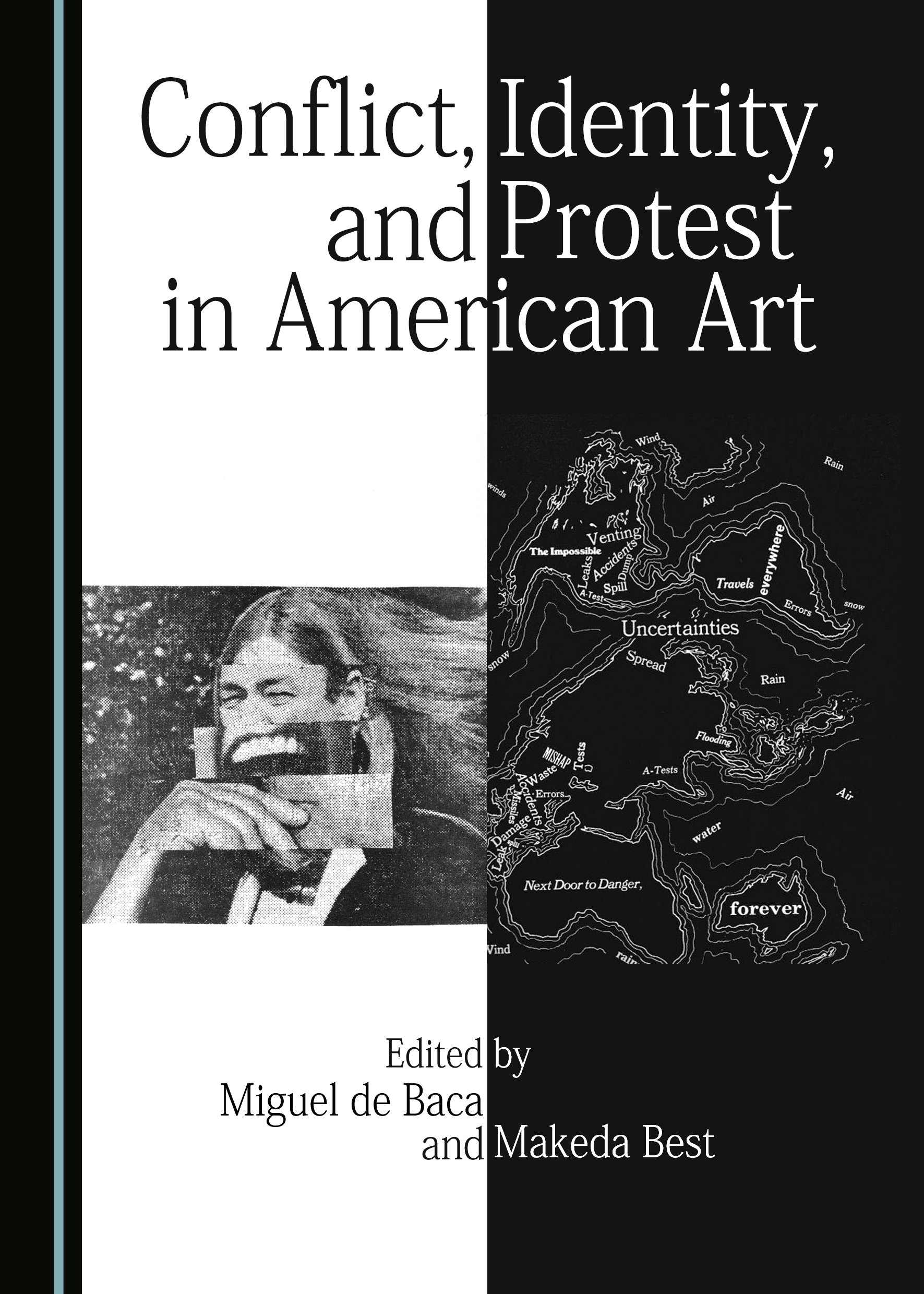
Explore the powerful relationship between American art and conflict. This anthology discusses visual works in relation to national identity and politics, revealing how conflict—armed and rhetorical—inspires new identities to emerge.
Explore the powerful relationship between American art and conflict. This anthology discusses visual works in relation to national identity and politics, revealing how conflict—armed and rhetorical—inspires new identities to emerge.
View more
This product has multiple variants. The options may be chosen on the product page
View more
This product has multiple variants. The options may be chosen on the product page
Geopolitics to Geocriticism
A Study of TV Series in Türkiye, Serbia, Romania and Beyond
This collection analyses TV series (‘dizi’) from Türkiye, Serbia, and Romania. It explores their role in identity building, social reflection, and soft power, stressing the importance of these cultural products for public diplomacy in the Balkans and their global reach.
This collection analyses TV series (‘dizi’) from Türkiye, Serbia, and Romania. It explores their role in identity building, social reflection, and soft power, stressing the importance of these cultural products for public diplomacy in the Balkans and their global reach.
View more
This product has multiple variants. The options may be chosen on the product page
View more
This product has multiple variants. The options may be chosen on the product page
£39.99
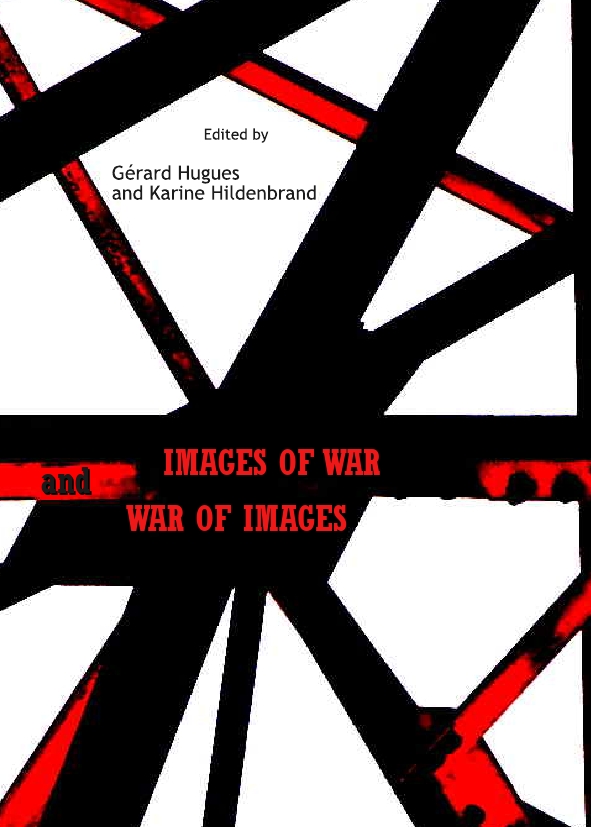
This volume addresses the representation of warfare, assessing the veracity of war images and their impact. War images may trigger horror or paradoxically attain sublimity, blurring the narrow margin between ethics and aesthetics, information, and propaganda.
This volume addresses the representation of warfare, assessing the veracity of war images and their impact. War images may trigger horror or paradoxically attain sublimity, blurring the narrow margin between ethics and aesthetics, information, and propaganda.
View more
This product has multiple variants. The options may be chosen on the product page
View more
This product has multiple variants. The options may be chosen on the product page
From £33.99
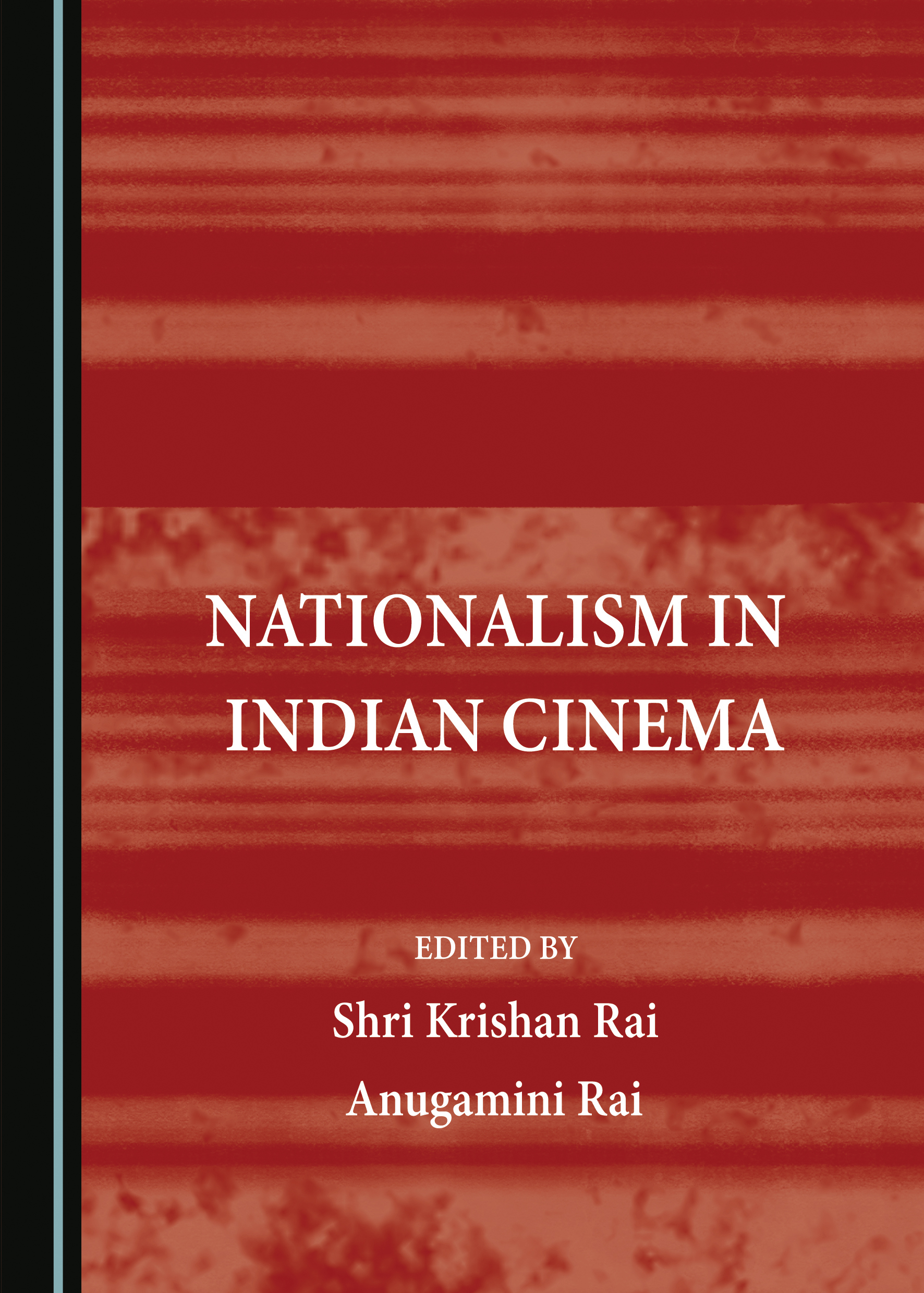
This book celebrates the unsung heroes of Indian cinema and their unacknowledged contribution to nation building. This collection of essays examines the role played by cinema in narrating, inspiring, and challenging our comprehension of India as a nation.
This book celebrates the unsung heroes of Indian cinema and their unacknowledged contribution to nation building. This collection of essays examines the role played by cinema in narrating, inspiring, and challenging our comprehension of India as a nation.
View more
This product has multiple variants. The options may be chosen on the product page

View more
This product has multiple variants. The options may be chosen on the product page
Outside
Activating Cloth to Enhance the Way We Live
Artists, scholars, and philosophers explore cloth’s value and impact on society, revealing its potential as a metaphor for consciousness, a carrier of narrative, and a catalyst for community empathy and cohesion.
Artists, scholars, and philosophers explore cloth’s value and impact on society, revealing its potential as a metaphor for consciousness, a carrier of narrative, and a catalyst for community empathy and cohesion.
View more
This product has multiple variants. The options may be chosen on the product page
View more
This product has multiple variants. The options may be chosen on the product page
The Empathic Movement
Empathy, Essence and Experience
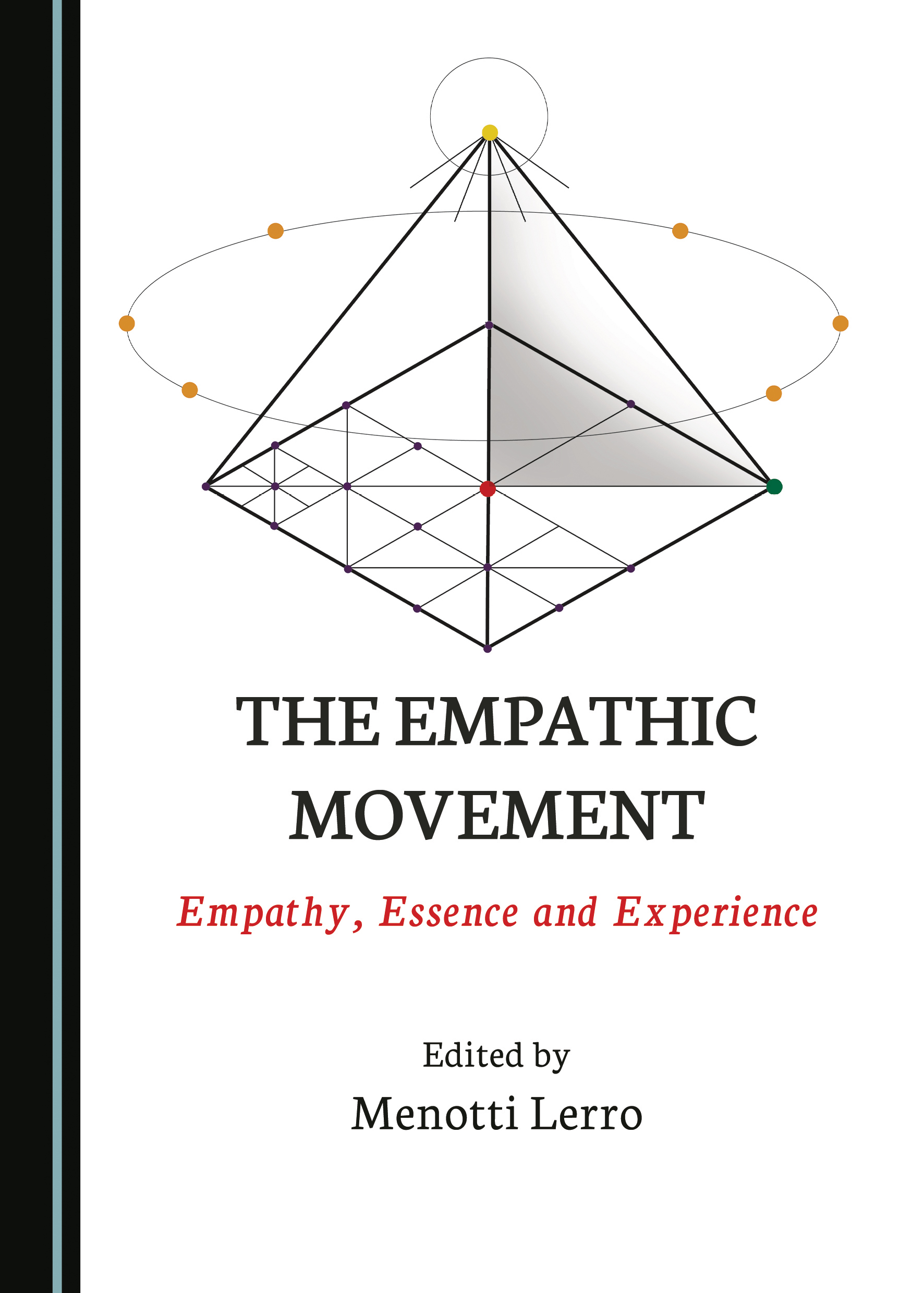
This book explores the Empathic Movement, which created a new cultural pole in southern Italy. It rejects individualism to give voice to the silent masses, sharing genuine emotion and seeking to reunite the arts, once torn apart by the mythic killing of the Total Artist.
This book explores the Empathic Movement, which created a new cultural pole in southern Italy. It rejects individualism to give voice to the silent masses, sharing genuine emotion and seeking to reunite the arts, once torn apart by the mythic killing of the Total Artist.
View more
This product has multiple variants. The options may be chosen on the product page
View more
This product has multiple variants. The options may be chosen on the product page
The Odyssey of Communism
Visual Narratives, Memory and Culture
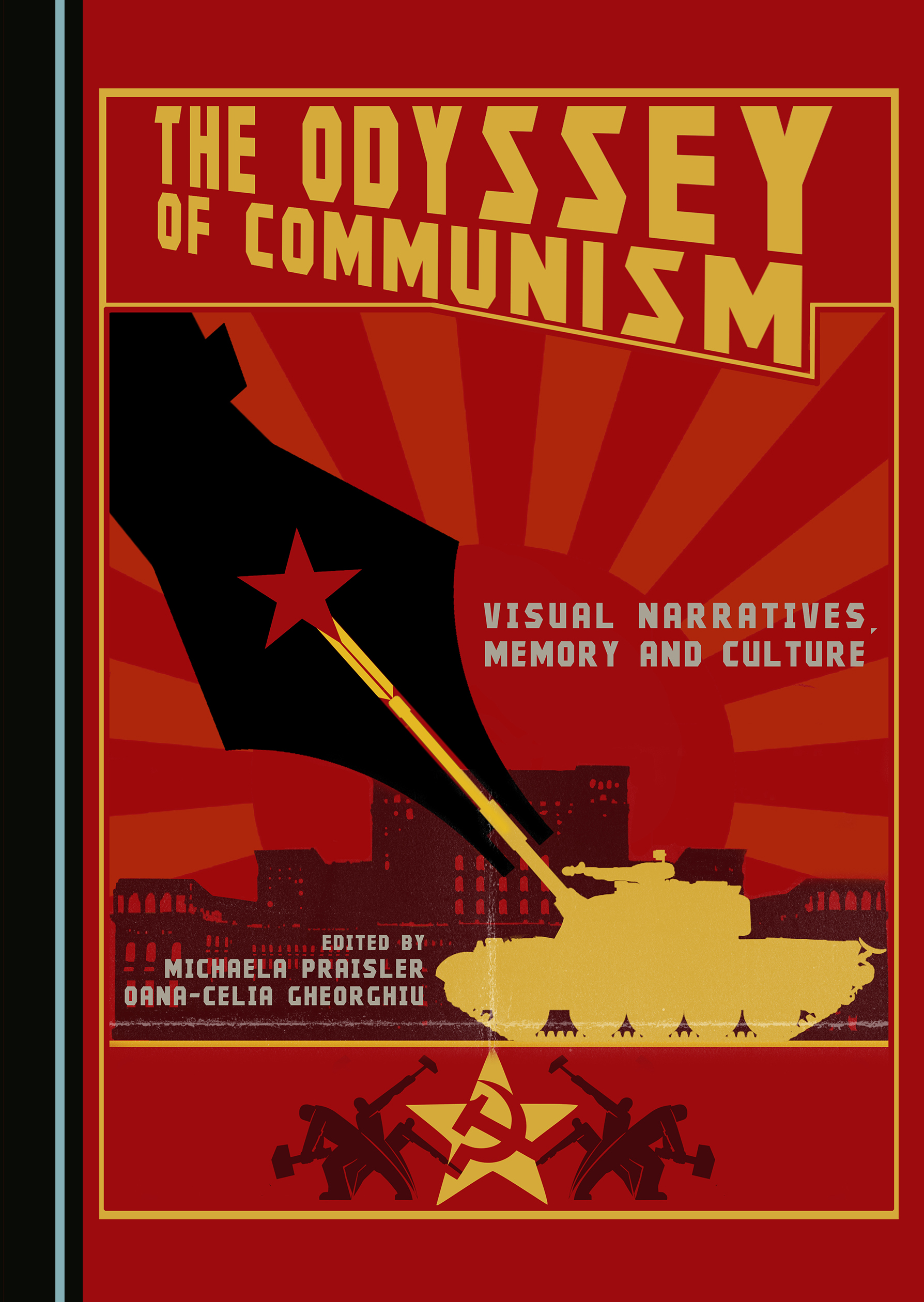
This interdisciplinary volume explores how film has shaped culture and memory. From the Berlin Wall to China, it journeys from the terror of communist prisons to the rosy image of propaganda, arguing that communism, lingering in mentalities, still needs interrogation.
This interdisciplinary volume explores how film has shaped culture and memory. From the Berlin Wall to China, it journeys from the terror of communist prisons to the rosy image of propaganda, arguing that communism, lingering in mentalities, still needs interrogation.
View more
This product has multiple variants. The options may be chosen on the product page
Processing Your Order
Please wait while we securely process your order.
Do not refresh or leave this page.
You will be redirected shortly to a confirmation page with your order number.