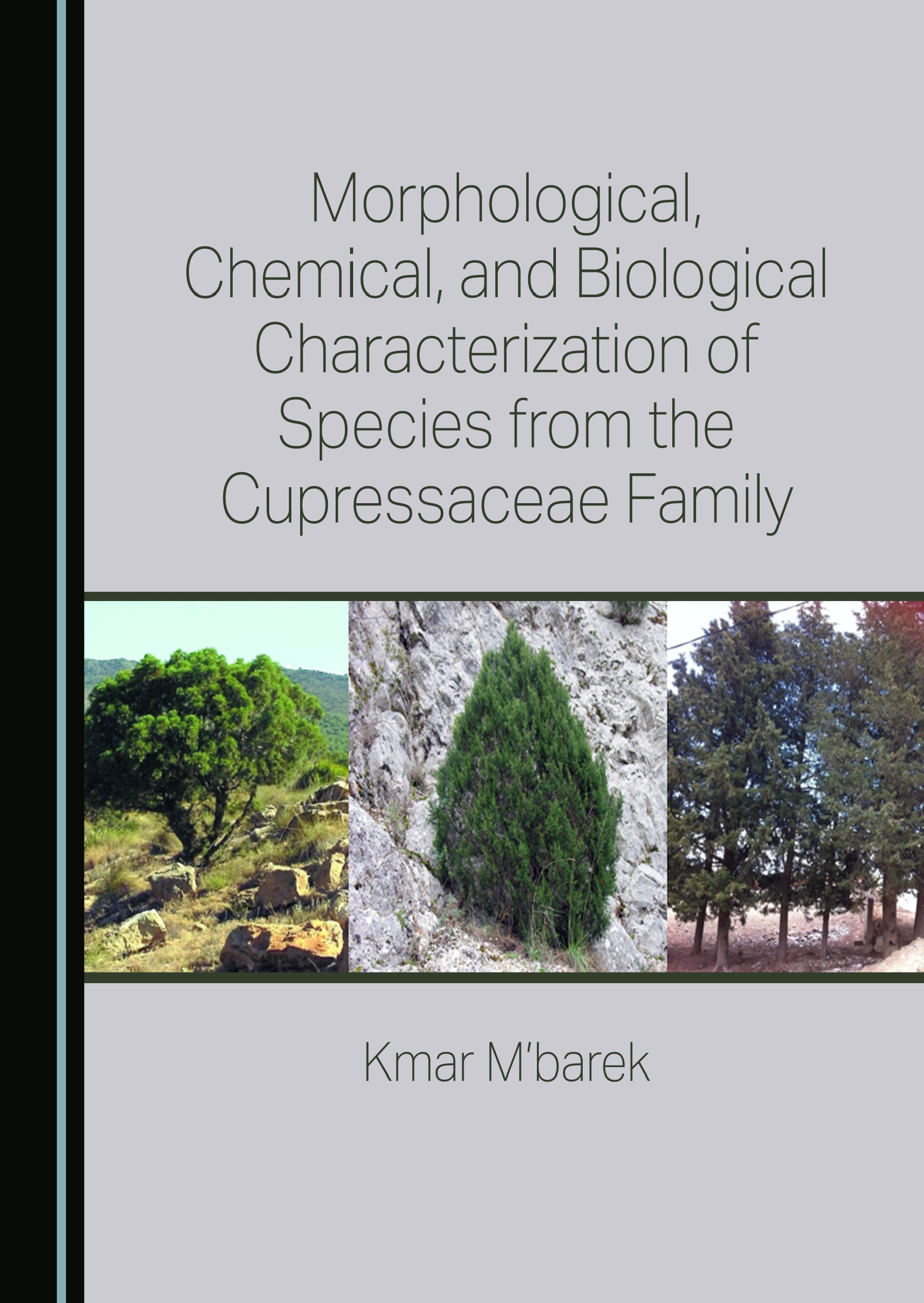
The present book delves into the unique properties of three plant species: Tetraclinis articulata (Barbary Thuja), Juniperus phoenicea (Phoenician Juniper), and Cupressus sempervirens (Mediterranean Cypress). It provides an in-depth analysis of the morphological, chemical, and biological characteristics of these plants, with a focus on their allelopathic potential and their effects on the germination and growth of target species such as lettuce, radish, barley, and tomato. Through a combination of laboratory studies and real-world testing, this research uncovers how these species can be sustainably utilized in agro-ecosystem management. This work is ideal for researchers, students, and practitioners interested in phytotoxicity, plant biotechnology, and ecological solutions for agriculture.
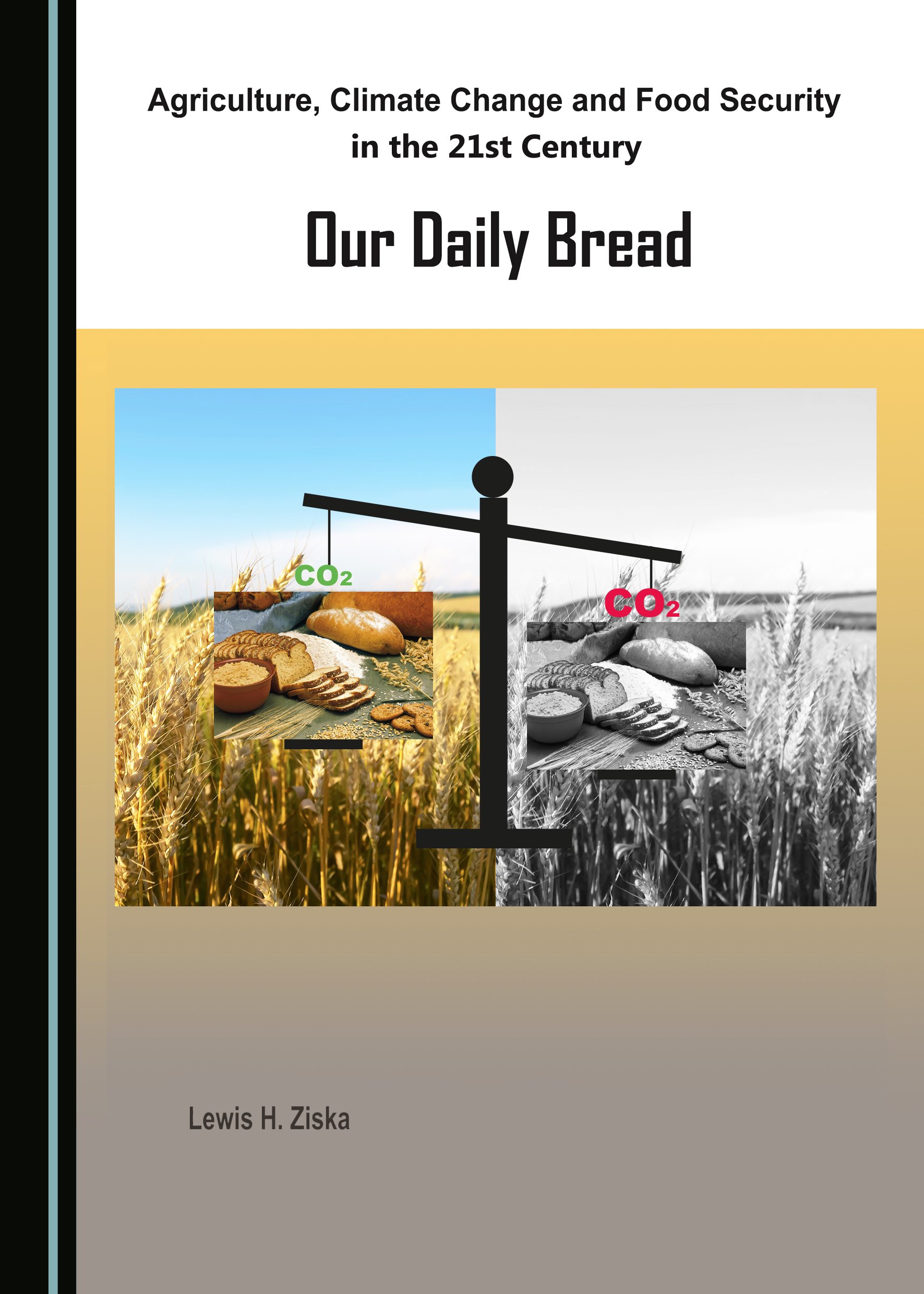
Man-made climate change poses a new crisis: how do we feed 10 billion people in a climate hostile to food security? This book explores the threat to our “daily bread” and argues that we are not without hope, offering solutions that can lead to a better future for humankind.