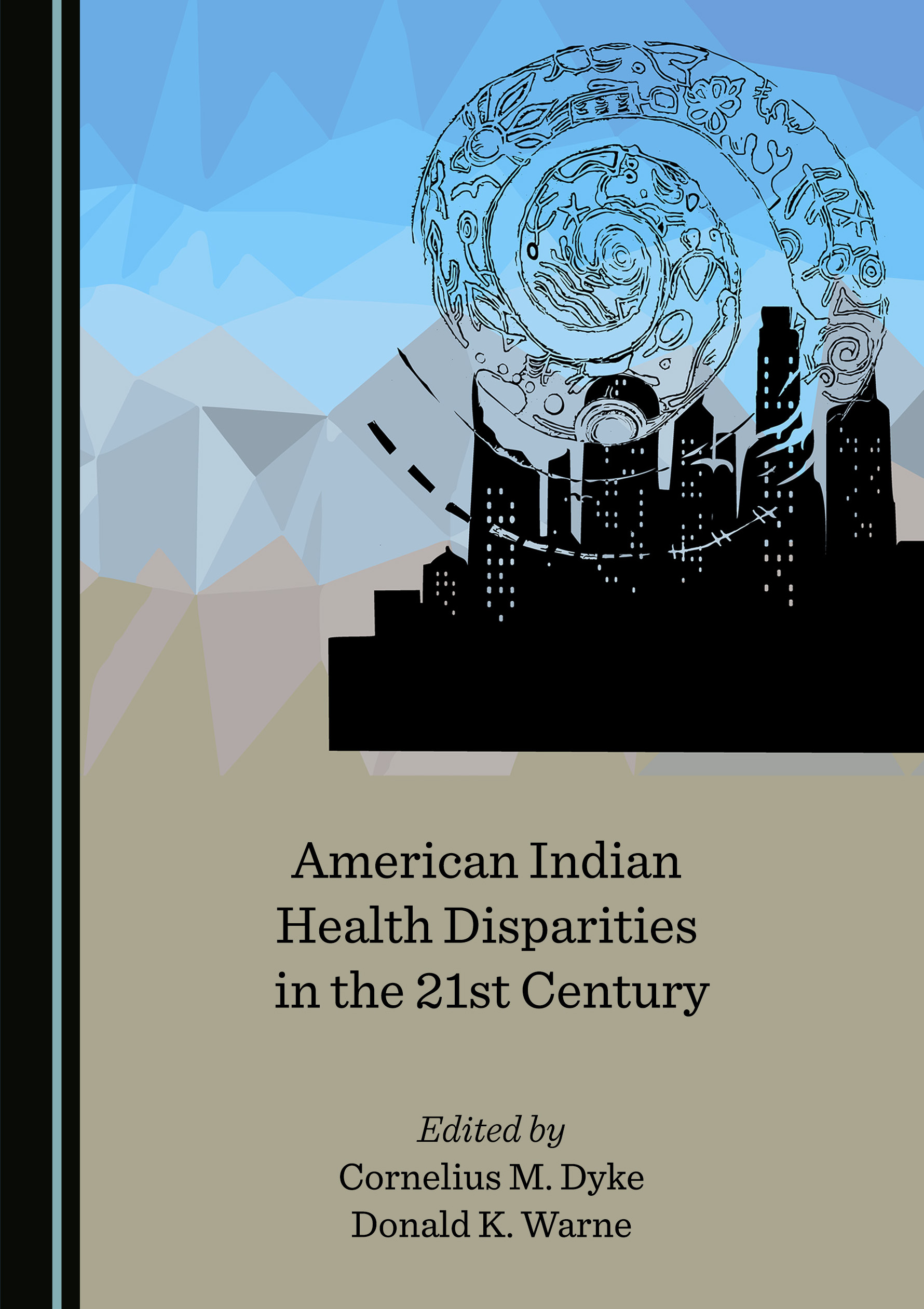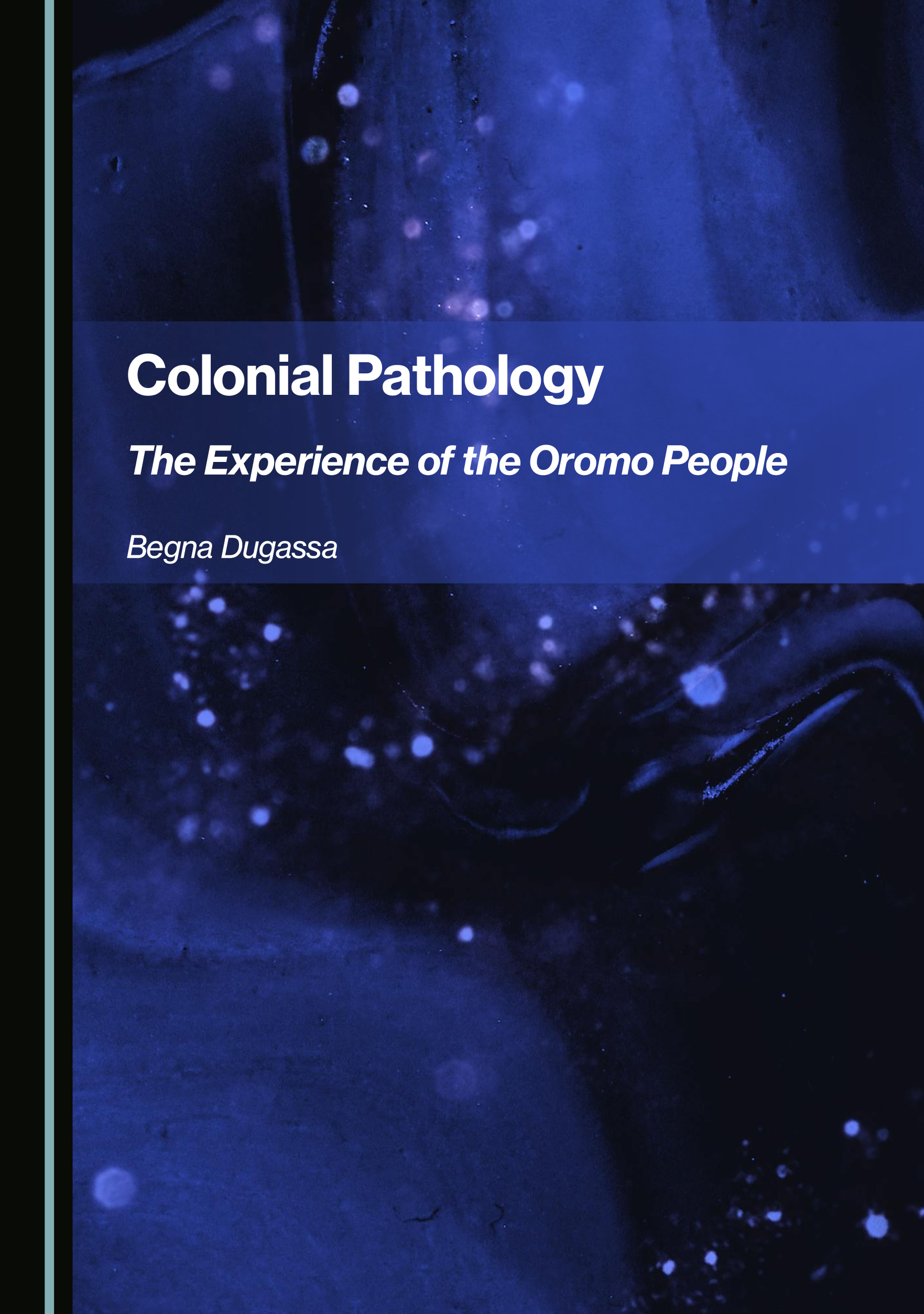
This book critically examines the Oromo people’s experiences under Ethiopian/Abyssinian colonial rule, drawing parallels to the Irish under British rule. It explores how the Oromo faced colonization, cultural delegitimization, land dispossession, poverty, and famine, worsened by European empire builders. Successive Ethiopian regimes deepened inequality, suppressed Oromo self-determination, and exploited their resources, leading to extreme poverty, homelessness, and disease. The book argues that colonialism violated the Oromo people’s sovereignty and rights, resulting in social inequality and unhealthy conditions. It calls for integrating self-determination into public health agendas to improve social relationships and conditions, emphasizing that colonialism acts as a disease-causing agent by perpetuating preventable diseases and social inequities.
The first International Handbook of Forest Therapy unites over 50 global experts to define this evidence-based public health approach. Drawing on three decades of research and the latest developments, this milestone work sets the baseline for its worldwide implementation.