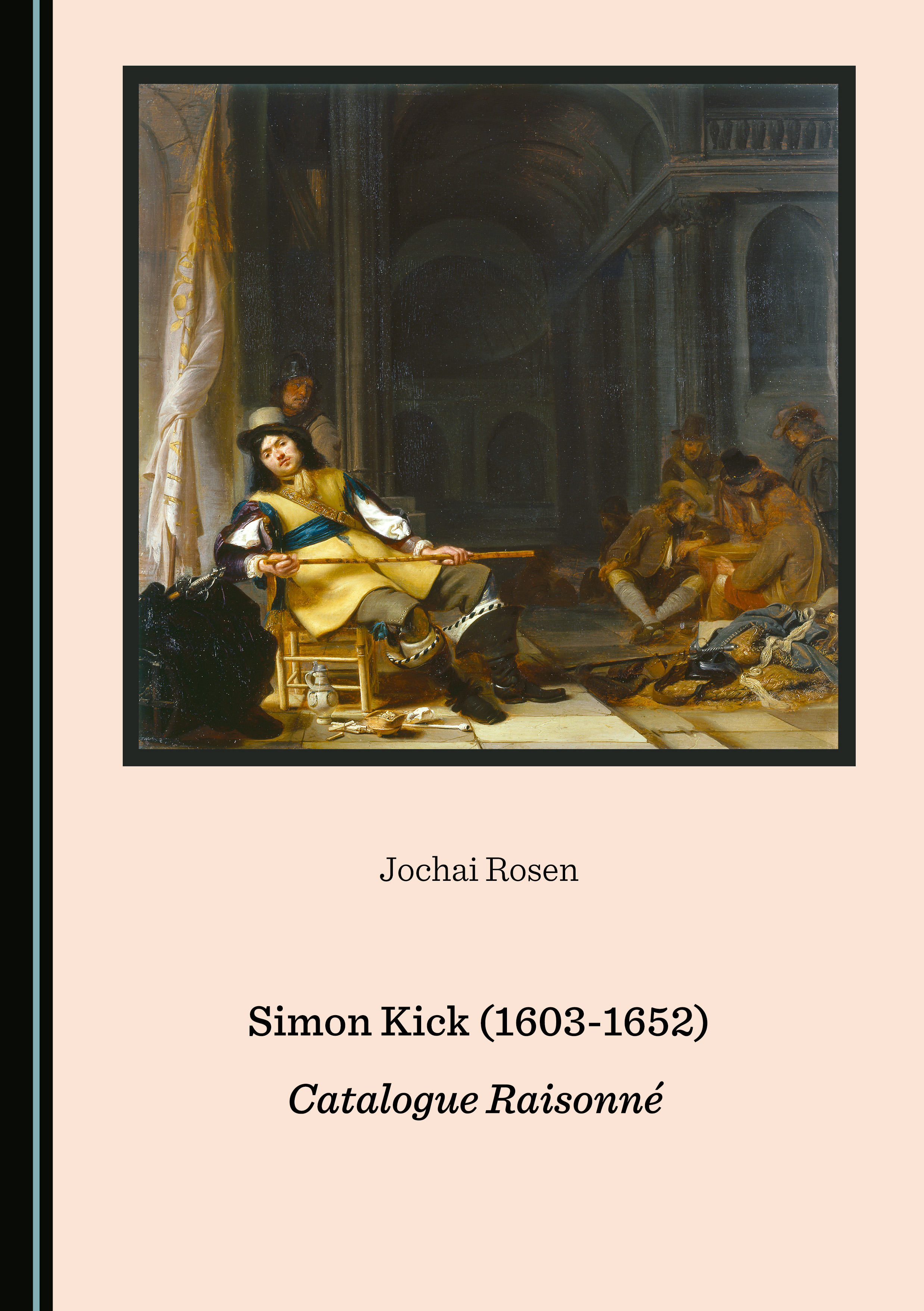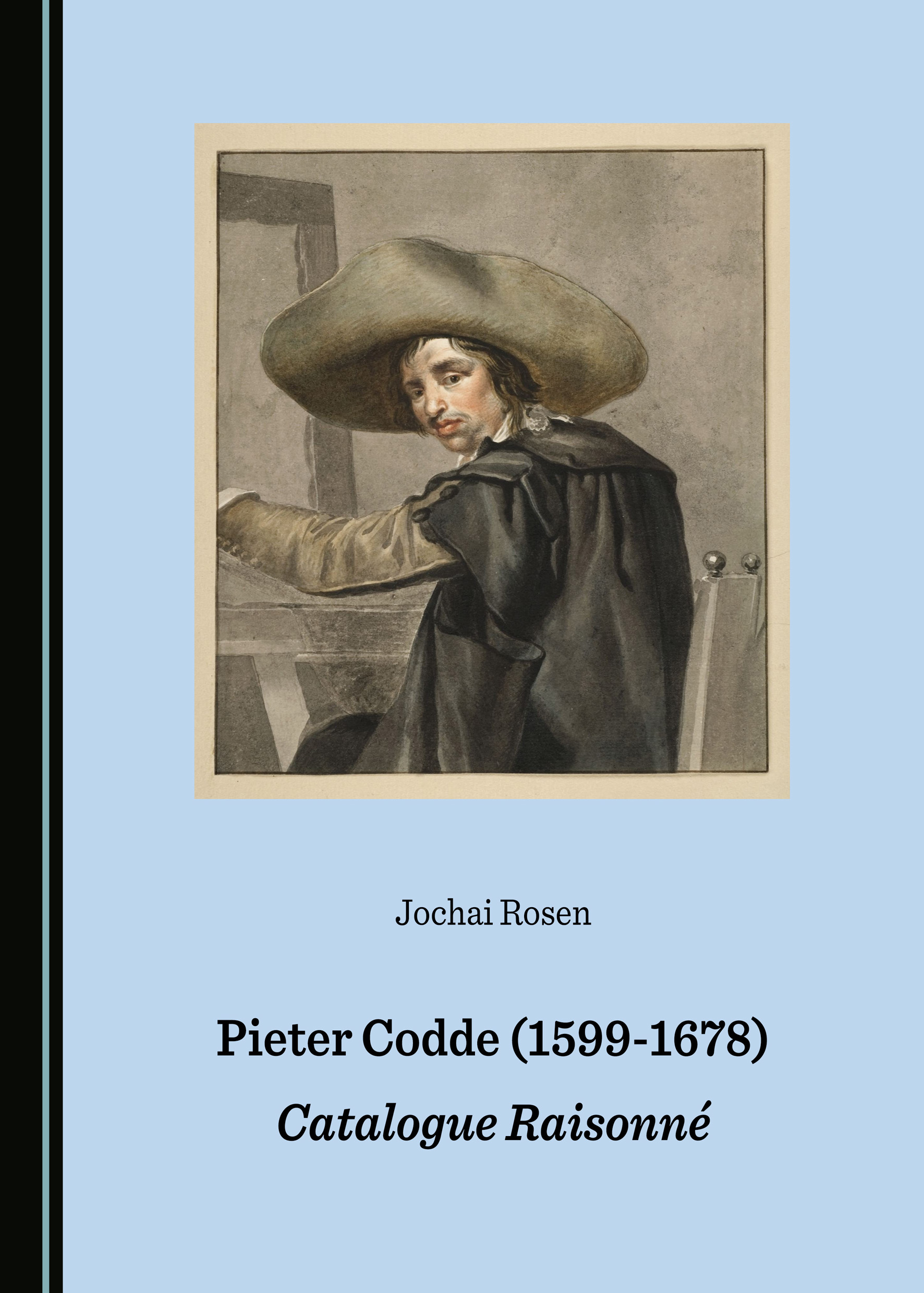
This book is the first complete study of the life and work of the 17th-century Dutch painter Anthonie Palamedes (1602-1673). Palamedes was active in Delft, one of the most important cities during the Dutch Golden Age, alongside Vermeer.
Unlike his famous compatriot Vermeer, Anthonie Palamedes was a successful painter. He was socially acceptable, was recognized and appreciated by his colleagues, painted hundreds of pictures and achieved financial success that allowed him to live comfortably. Palamedes is therefore the embodiment of the successful painter in the Dutch “Golden Age”.
The book includes a biography of the painter as well as a systematic and comparative iconographical and stylistic study of his work, with an attached critical oeuvre catalogue.
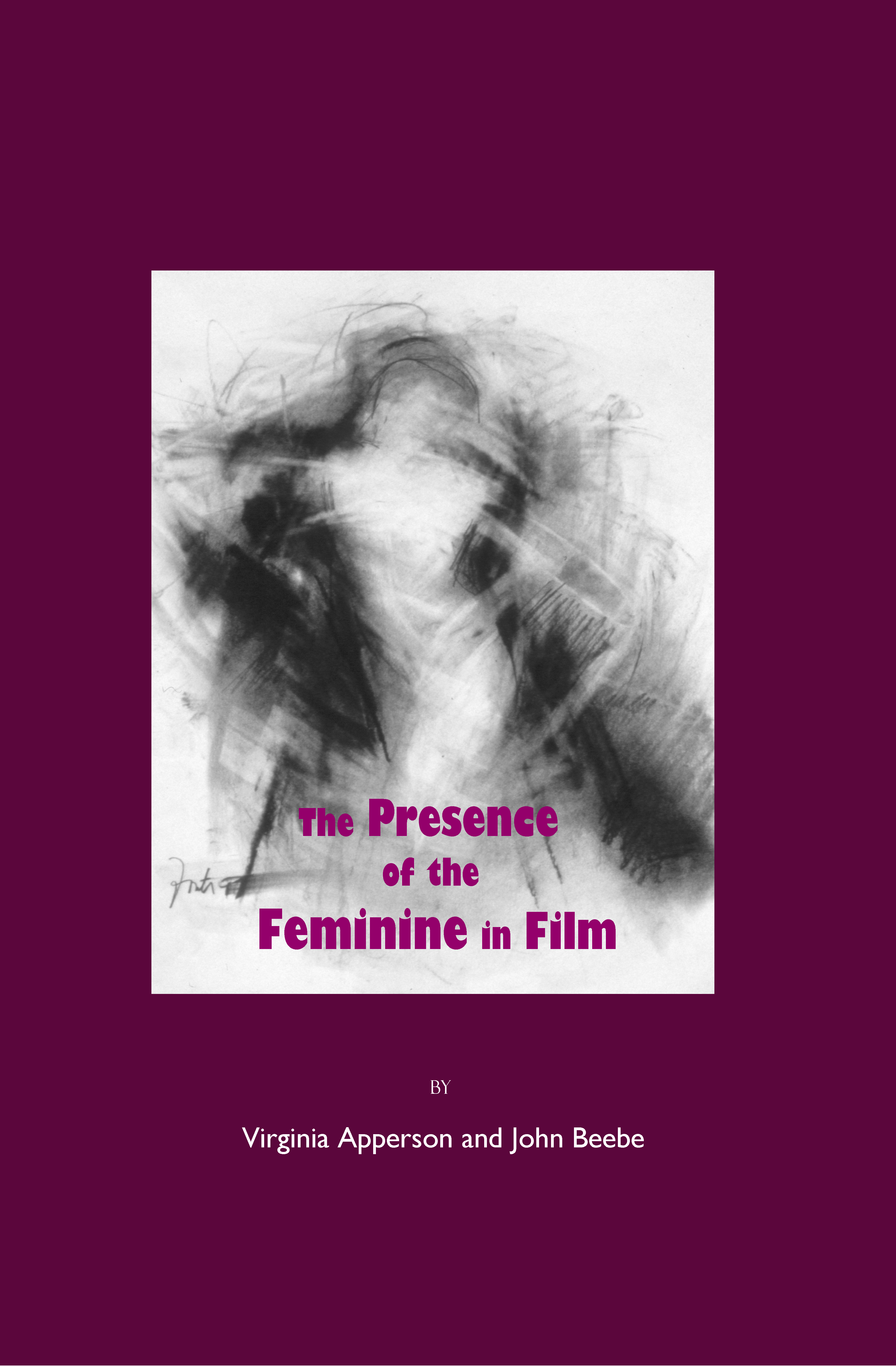
This pioneering book introduces the “feminine,” a dimension of film not reducible to women’s experience. Exploring this Jungian concept through movies spanning seven decades, it enhances the appreciation of film as a depth psychological medium.