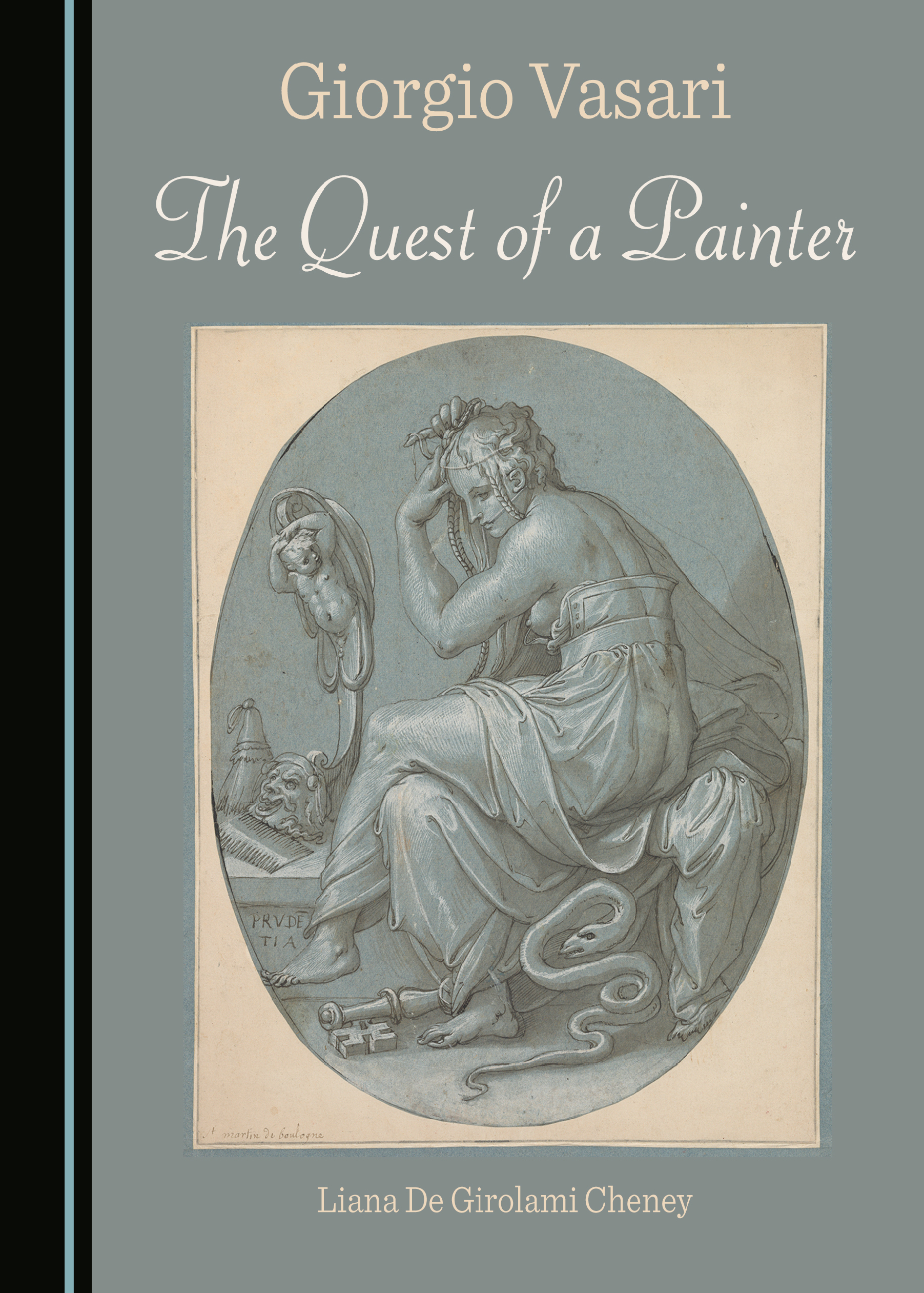
This book presents Giorgio Vasari as an intellectual, painter, and philosopher—a rarely explored perspective in existing scholarship. It provides a fresh understanding of how Giorgio Vasari influenced the portrayal of successful artists in 16th-century Italy. His extensive education in classical studies, humanism, and art and his unparalleled intellectual curiosity, enthusiasm, and creative prowess enabled him to formulate a bold and assertive viewpoint on art and its history. With the support of humanists, fellow artists, and the patronage of his era, Vasari transformed the artist’s role. Artists came to be perceived as divinely inspired creators of images that convey profound moral and intellectual messages. Their status was elevated from mere artisans to creators whose work brings beauty to the world and makes enduring contributions to cultural heritage.
This pioneering book introduces the “feminine,” a dimension of film not reducible to women’s experience. Exploring this Jungian concept through movies spanning seven decades, it enhances the appreciation of film as a depth psychological medium.