This monograph explores the in-depth chemistry behind allelopathy, a phenomenon marked by the release of chemicals into the environment from one plant on another plant causing direct or indirect effects. Allelopathy is an important key to the development of bioherbicides, nature-friendly herbicides preventing growth of herbicide-resistant weeds. Several allelopathy books in the market do not deal with the chemistry of allelopathy. This monograph is unique since (1) it deals with extensive chemistry of allelopathy, achieving better understanding of allelopathy, and (2) it deals with nanoencapsulation of allelochemicals for agricultural applications. This monograph is a valuable reference for employees in the agrochemical industry; a resource material in educating farmers; and a multidisciplinary book for scientists, researchers, students, and professors in agriculture, agricultural chemistry, agronomy, biology, botany, breeding, chemistry, genetics, horticulture, microbiology, molecular biology, material science, plant pathology, plant ecophysiology and ecology, plant physiology, plant protection, soil science, and weed science.
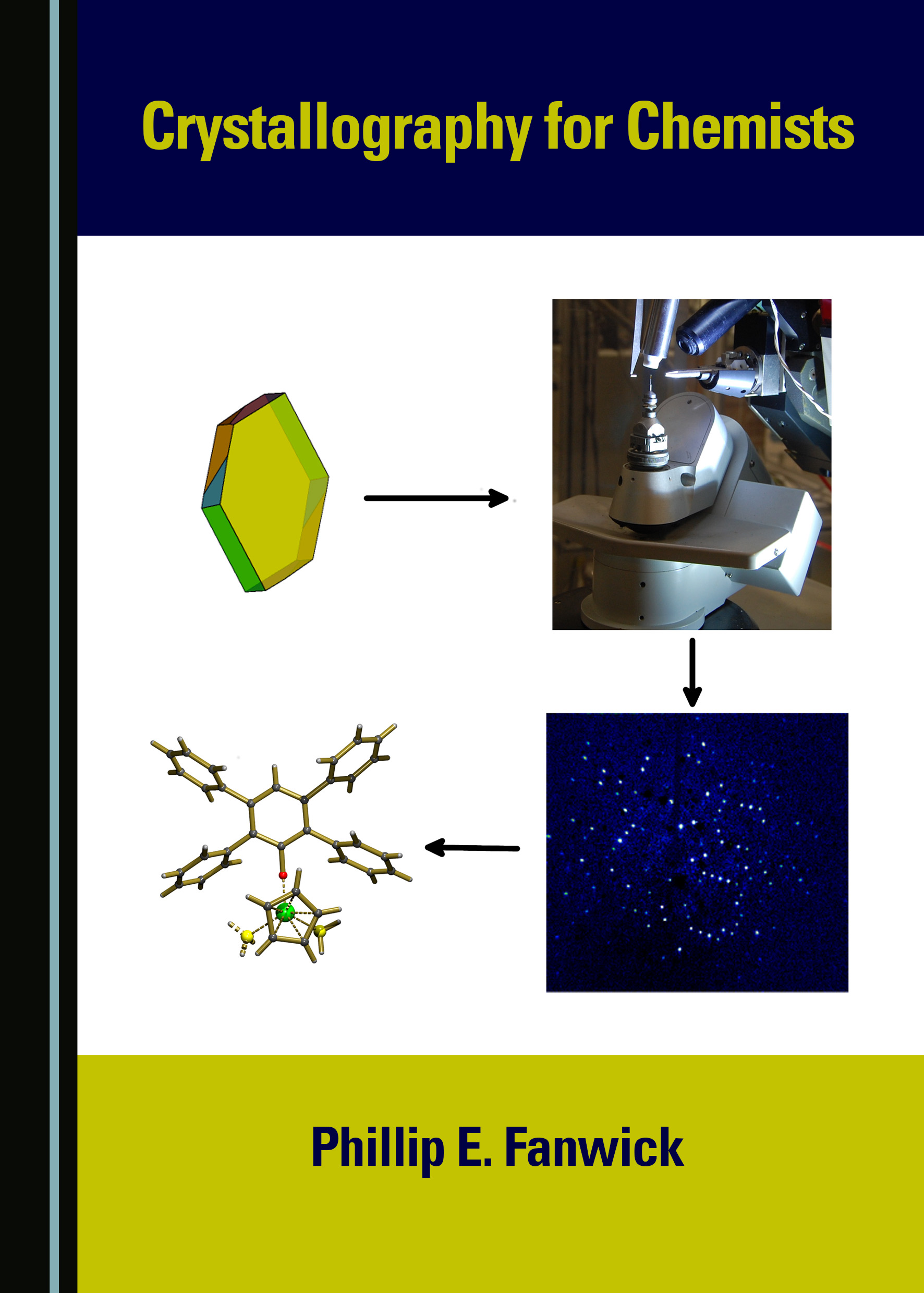
Most chemists have little understanding of crystallography. This book provides a basic, non-mathematical education on crystallographic methods, written in language chemists use. It is designed for students and any chemist who has had no instruction in the subject.