This book deals with Italy’s relationship with the Mediterranean Sea into which the peninsula extends. In an international context divided into opposing blocs, Enrico Mattei engaged the National Hydrocarbons Board (ENI), founded in 1953, on two fronts. On the international front, defying the power of the “Seven Sisters”, he presented ENI as a ‘Third-Worldist model’ for countries on the path towards decolonization; domestically, focused on the development of the Italian economy. In this regard, Mattei firmly believed that Sicily could play a central role connecting the two shores of the Mediterranean region. As a matter of fact, the constant and heartfelt reference to the Resistance as a founding moment of the Italian Republic made ENI capable of presenting itself as a “Special Agent” of decolonization to support the efforts of countries that were trying to conjugate new national identities and economic development within the difficult geopolitical context of the Cold War.
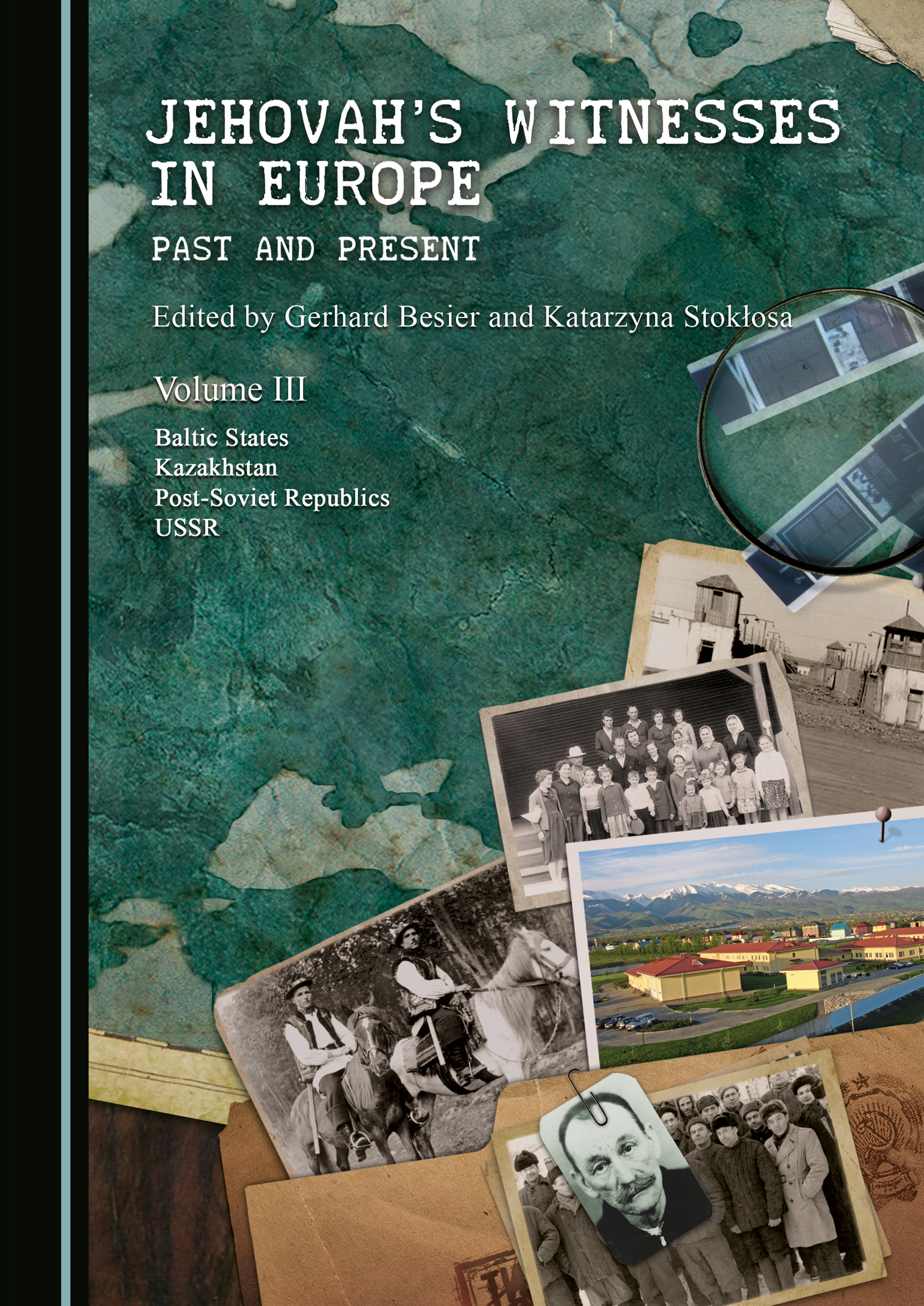
Jehovah’s Witnesses in Europe
This history documents the persecution of Jehovah’s Witnesses in Eastern Europe. It compares their survival under different political systems, from dictatorships to modern Russia, where a renewed ban has returned Soviet-era conditions of repression.