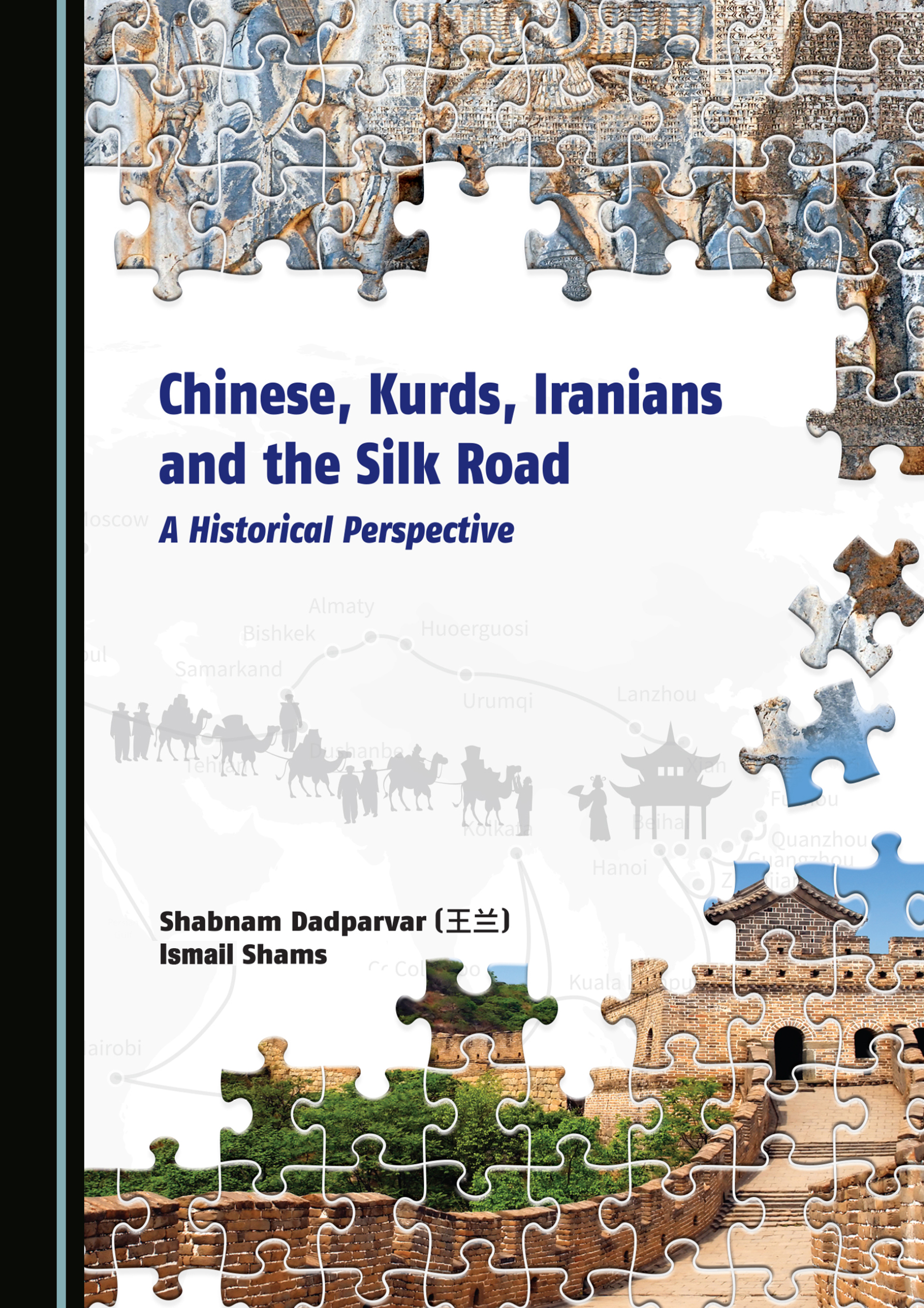
While much scholarship explores China’s role in the Silk Road and the Belt and Road Initiative, little attention is given to its historical ties with a nation lacking formal governance. This book delves into the enduring connections—political, economic, social, and cultural—between the Kurdish people and China, tracing their interactions back to the tenth century. It interweaves Kurdish, Iranian, and Chinese histories, shedding light on Kurdish territories as key trade and cultural hubs along the Silk Road. Examining religious exchanges that shaped these relations, the book explores how faiths influenced their mutual engagement. By unraveling this intricate history, it not only enriches our understanding of these two distinct cultures but also uncovers a shared historical memory—one in which China, deeply embedded in Kurdish folklore, emerges as an idealised world, a utopia of prosperity and harmony.
Jehovah’s Witnesses in Europe
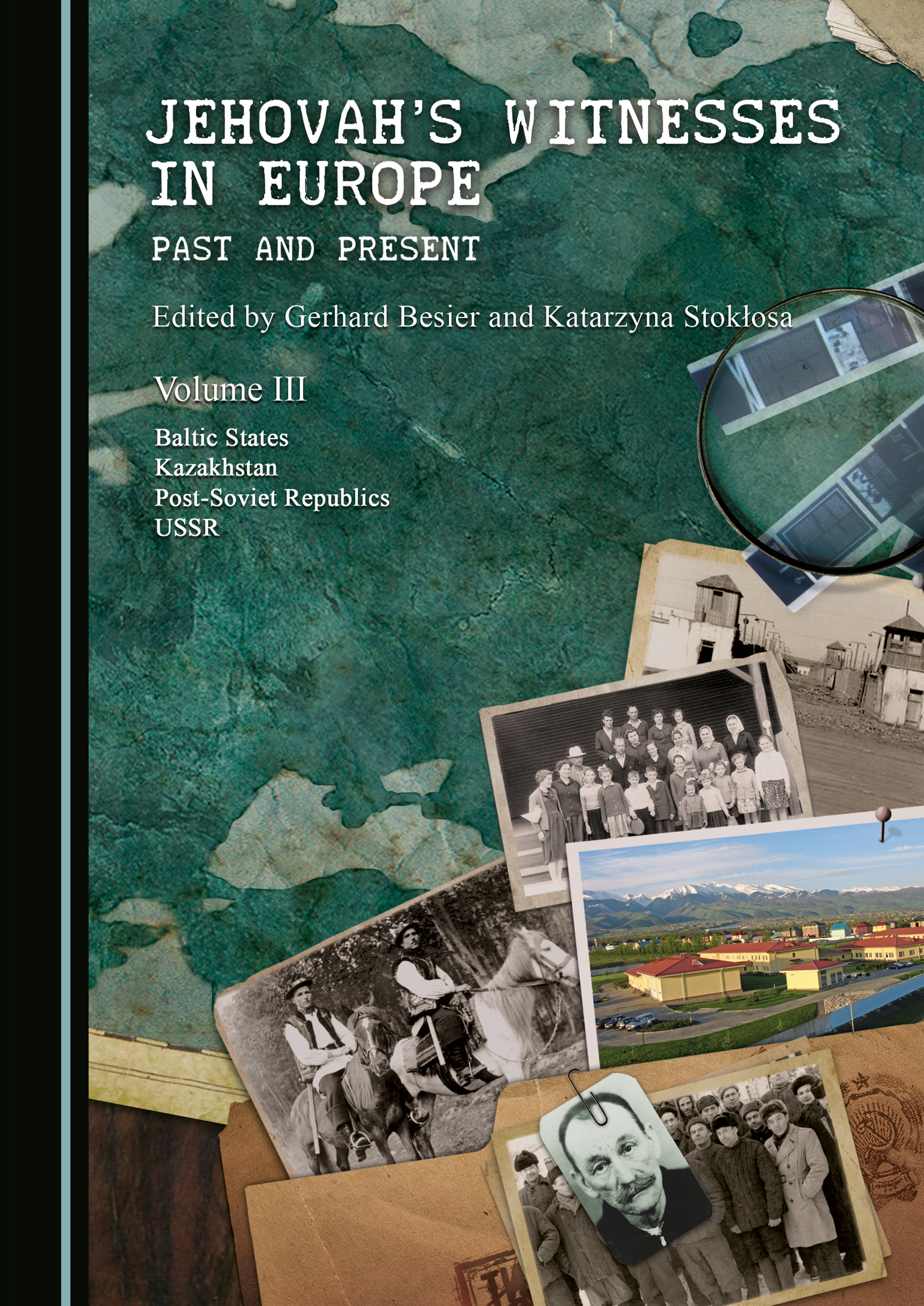
This history documents the persecution of Jehovah’s Witnesses in Eastern Europe. It compares their survival under different political systems, from dictatorships to modern Russia, where a renewed ban has returned Soviet-era conditions of repression.