‘I am Spartacus! I am Spartacus!’ shout the surviving slaves in the famous film scene. Who he truly was must be inferred from sources, now presented here in a continuous story for the first time. To the ancient elite, Spartacus was a dangerous rogue, highly suited for name-calling—like Mark Anthony, whom Cicero deemed worse than Spartacus. For centuries, this negative image persisted until the Age of Enlightenment revealed him as a noble, tragic hero. As such, Spartacus inspired countless plays, novels, operas, and films, offering comfort to the downtrodden. This richly illustrated book includes more data on Spartacus than ever before, either within the text or in appendices. His name lives on in cultural artifacts, and even as a name for newborns of radical parents or pseudonyms for athletes. Spartak Moskva, the Spartakiads, a gay icon, ‘strong’ products, and even Spar Tacos from the Spartaco food car in Mexico City, all continue his legacy.
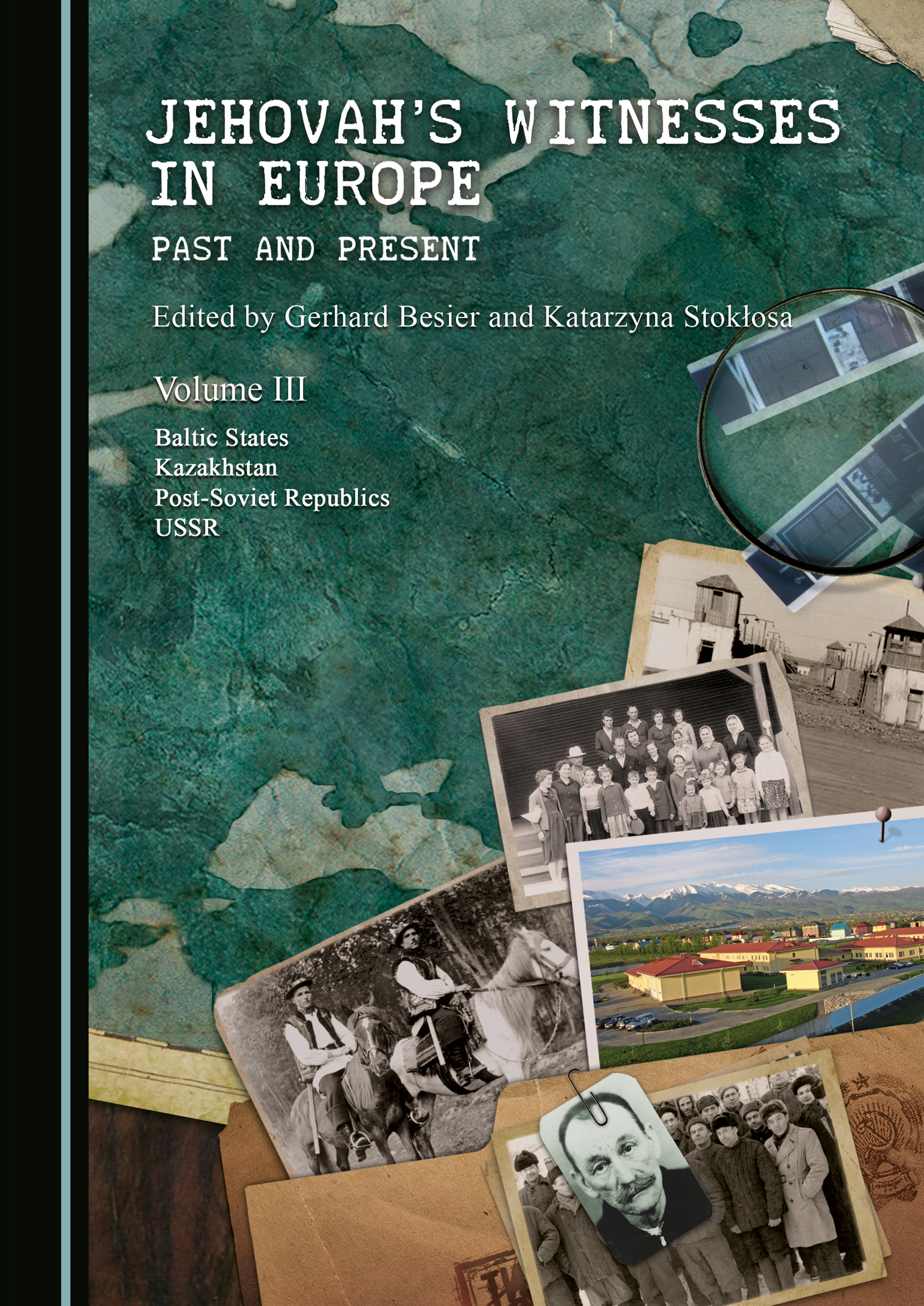
Jehovah’s Witnesses in Europe
This history documents the persecution of Jehovah’s Witnesses in Eastern Europe. It compares their survival under different political systems, from dictatorships to modern Russia, where a renewed ban has returned Soviet-era conditions of repression.