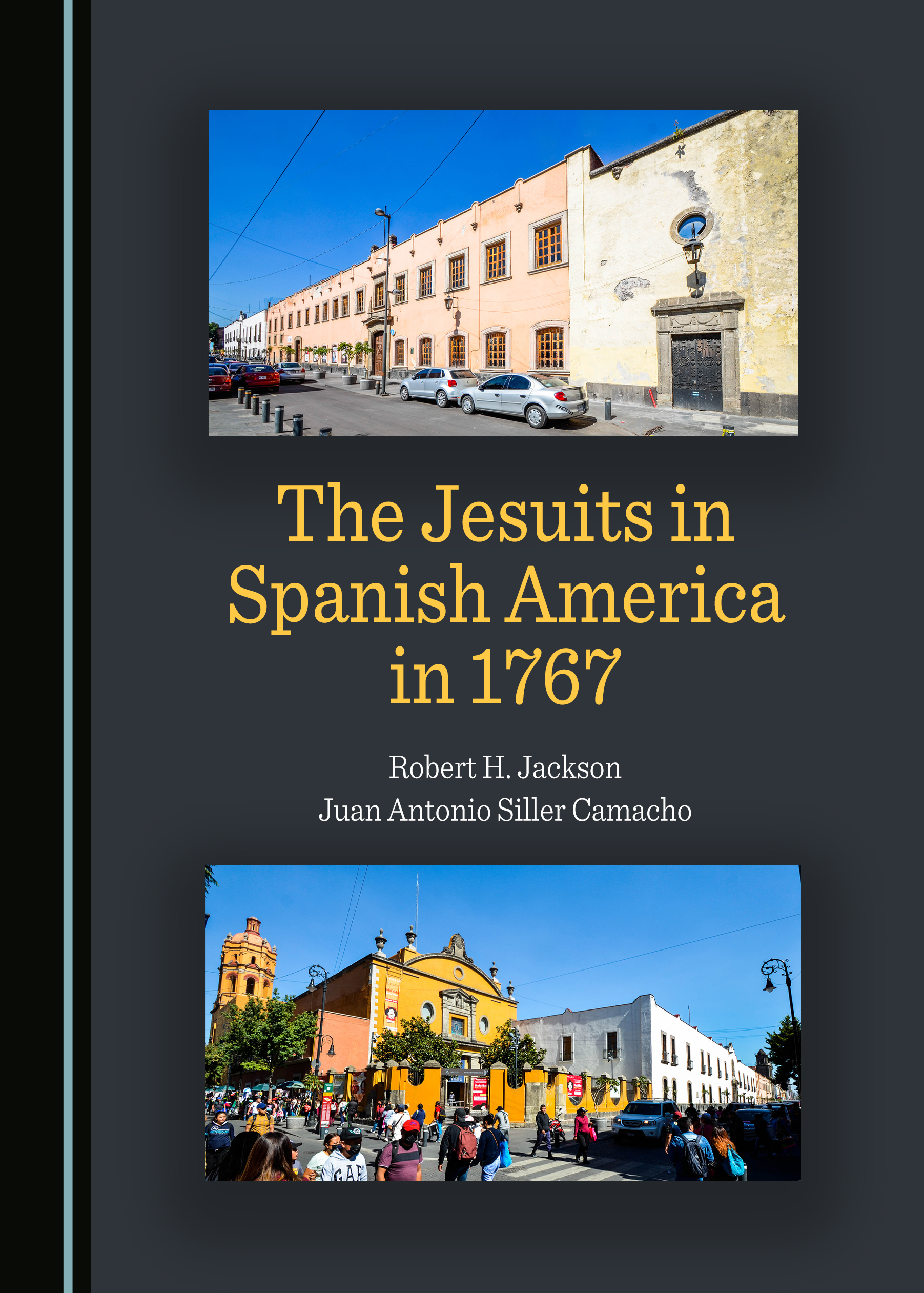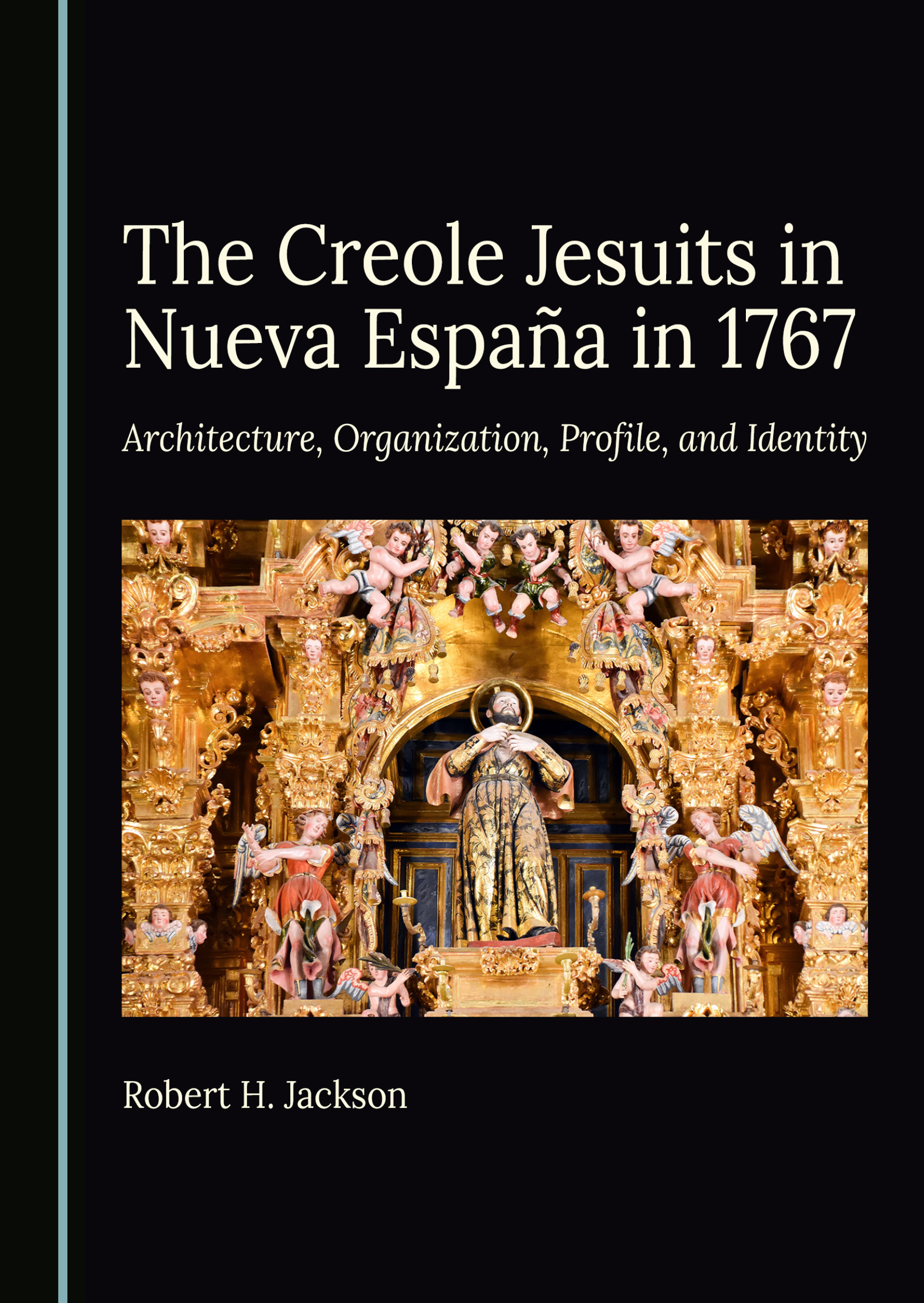
On June 25, 1767, Spanish royal officials began to implement the order of King Carlos III to expel the members of the Society of Jesus (Jesuits) from all Spanish territories. At the time of the expulsion there were some 2,400 Jesuits in Spanish America. They played an important role in urban centers as educators and in the spiritual lives of city-folk, and they staffed frontier missions. The King ordered that the Jesuits be exiled in the Papal States (modern Italy), but ironically the majority of the Jesuits in the Americas were born in the Americas. This study focuses on the Jesuit Province of New Spain (Mexico, Cuba, Guatemala) at the time of the expulsion, and offers a detailed analysis of the organization and activities of the Jesuits, their identity through a prosogrographic study, and architectural patrimony. This study will be of interest to specialists in colonial Latin American history, architecture, and Jesuit studies, and general readers.
Jehovah’s Witnesses in Europe
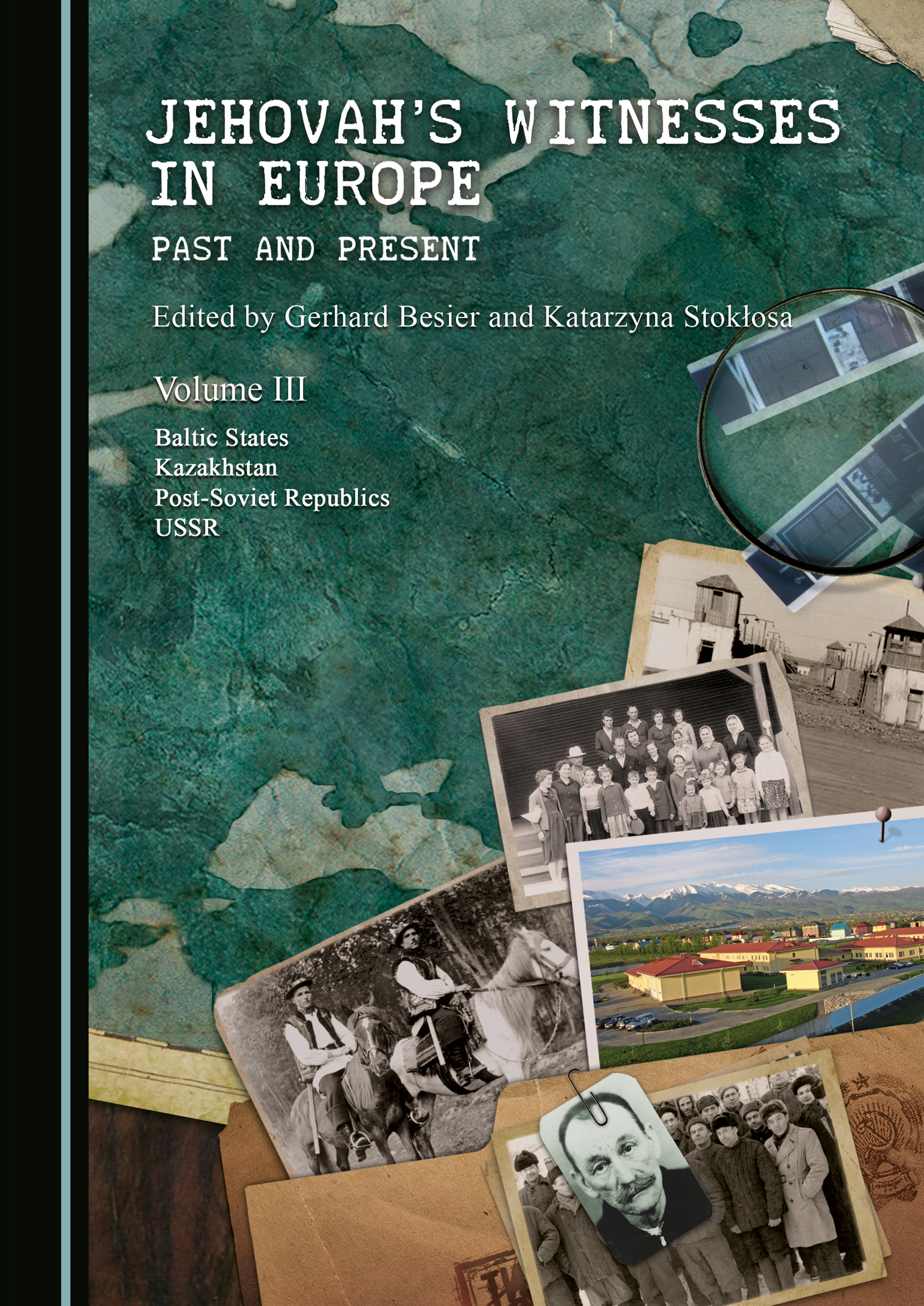
This history documents the persecution of Jehovah’s Witnesses in Eastern Europe. It compares their survival under different political systems, from dictatorships to modern Russia, where a renewed ban has returned Soviet-era conditions of repression.