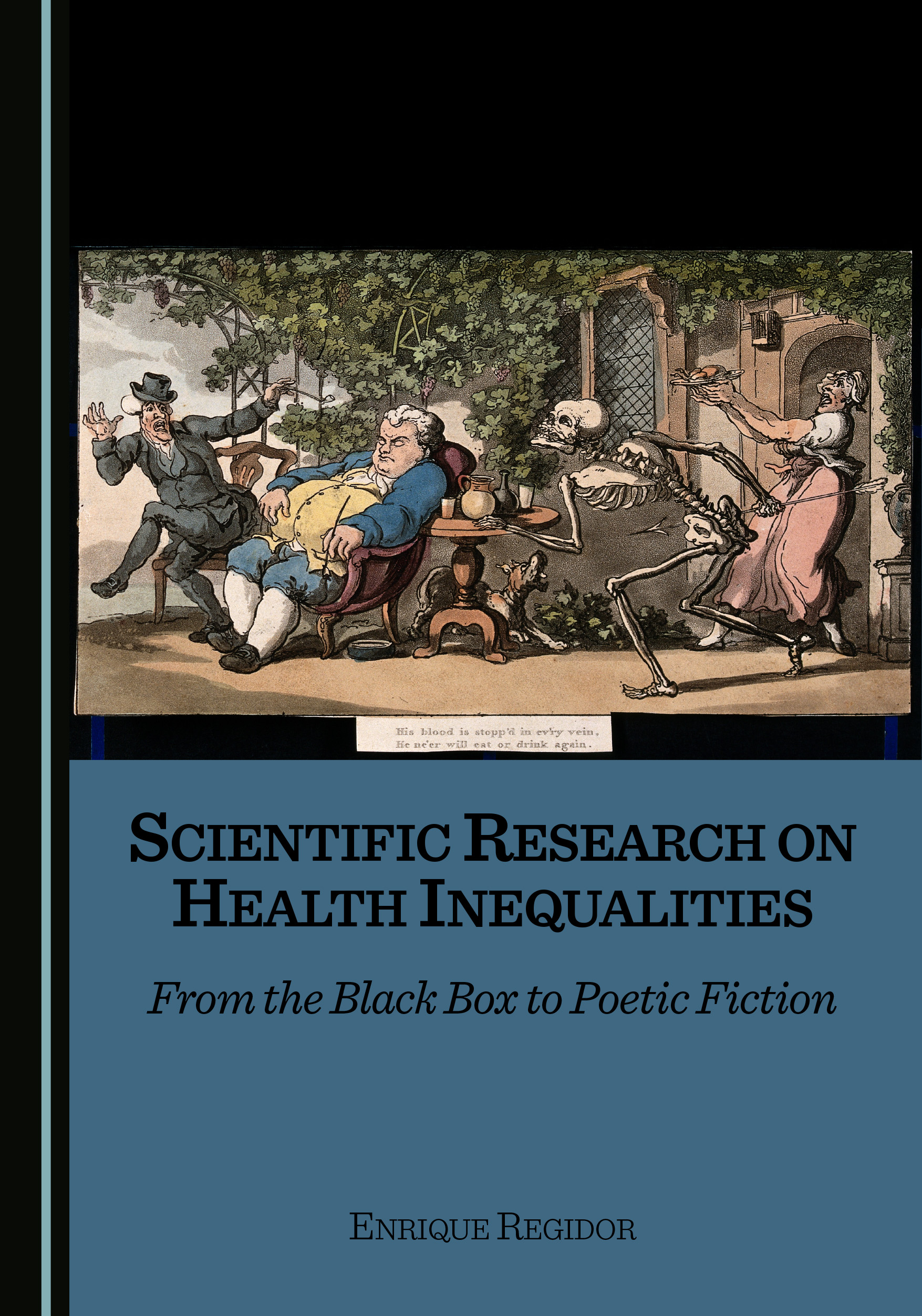

Scientific research on health inequalities seeks a causal explanation for the higher frequency of diseases and the higher premature mortality in people of low social position, compared to those of high social position, at all times and places. This purpose raises doubts about the suitability of the facts analysed to reflect what has happened to human beings who inhabit or have inhabited the Earth. In this book, the author reviews the existing empirical evidence on the frequency of health problems and life span according to social position. And he reveals the assumptions and methodological limitations of scientific practice around this issue. The heterogeneity of findings suggests that the causal effect of social position on health is a chimera. It will be of great use to researchers and public health professionals interested in health promotion. It will raise numerous questions and concerns about the importance of beliefs in interpreting the facts analysed and in recommending interventions.
The first International Handbook of Forest Therapy unites over 50 global experts to define this evidence-based public health approach. Drawing on three decades of research and the latest developments, this milestone work sets the baseline for its worldwide implementation.