Insulin is an anabolic hormone, involved in the regulation of glucose, lipid and protein metabolism. Its action is also associated with several other processes, such as cell division, cell differentiation, cell growth, cytoskeletal reorganization and so on.
This book discusses a series of up-to-date topics around the role of insulin in the human body as well as the association of disturbances in the insulin signaling pathway, caused by insulin resistance, with diseases, such as Alzheimer’s disease, cancers, impaired functions of the kidney and liver, etc. It describes types of insulin resistance and their pathogenesis. One chapter describes therapeutic strategy of insulin resistance. This book is written by a scientist with expertise in the study of the cellular role of insulin in physiological and pathological conditions. By presenting a clear and exhaustive review of the correlation between insulin and health/disease, it is expected to draw attention from biomedical scientists, physicians, pharmacologists, physiologists, and students who wish to dedicate their research in uncovering the role of insulin in human health and diseases.
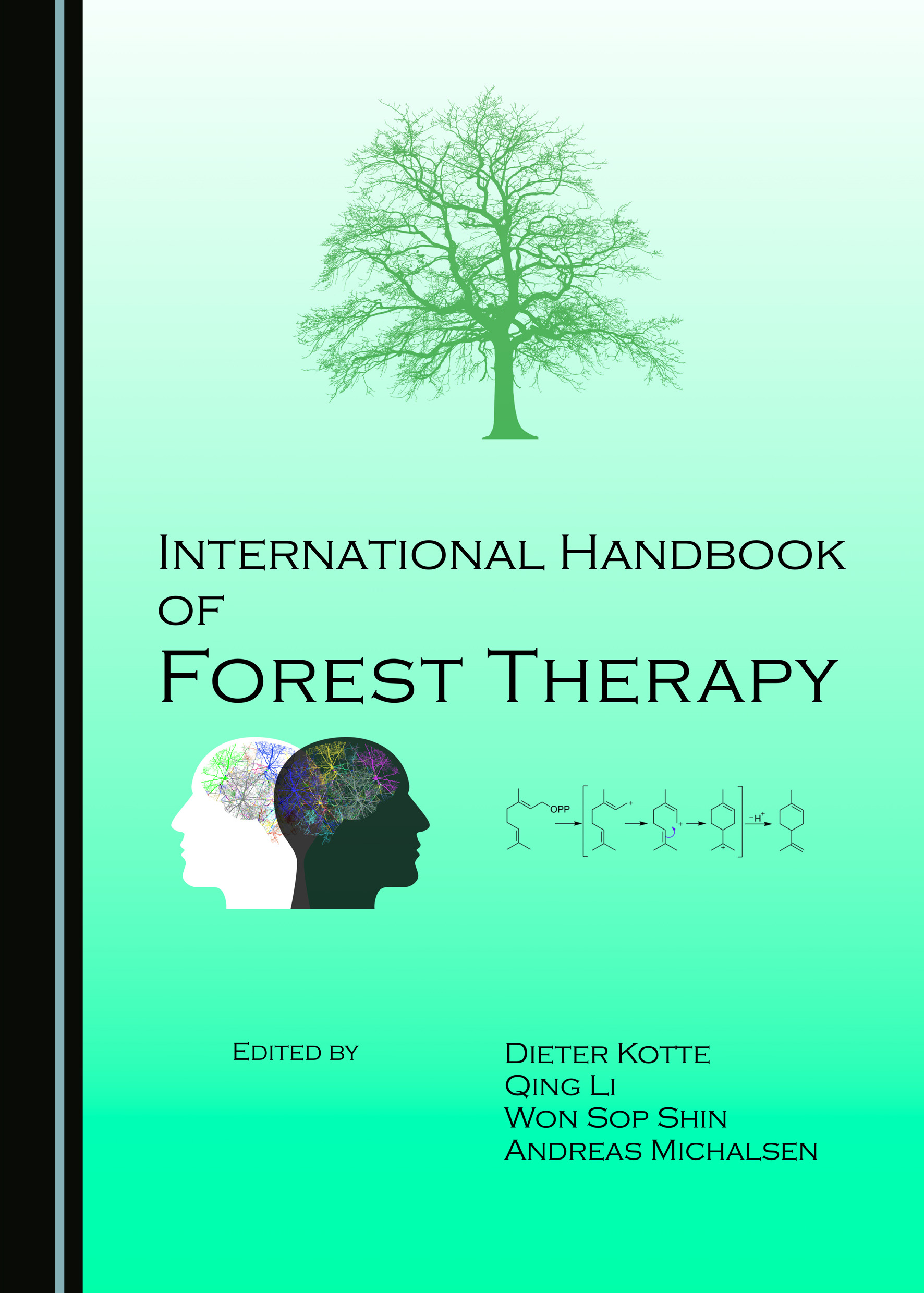
The first International Handbook of Forest Therapy unites over 50 global experts to define this evidence-based public health approach. Drawing on three decades of research and the latest developments, this milestone work sets the baseline for its worldwide implementation.