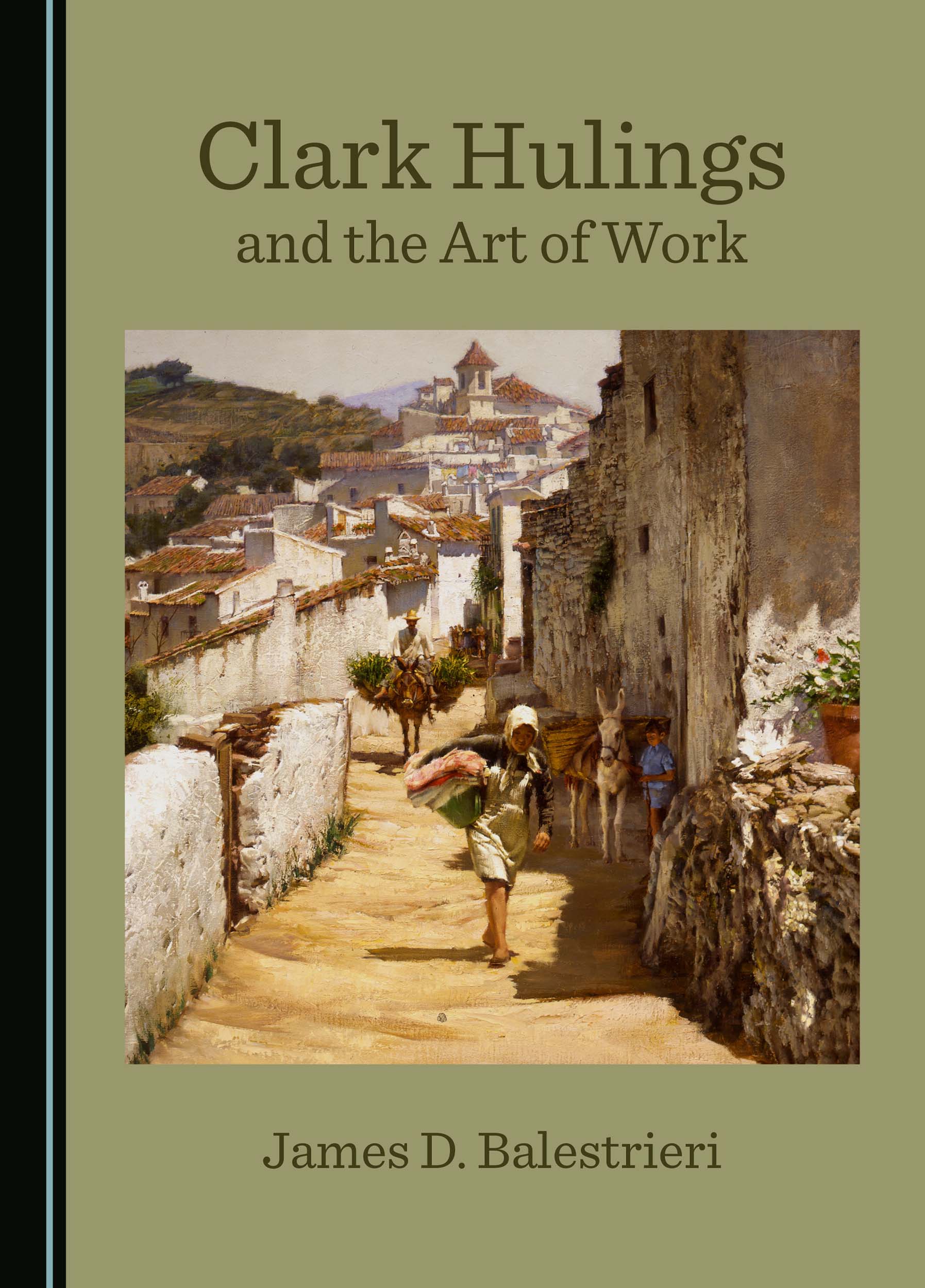
This book is a backpack manifesto. It tells the story of a realist painter at a time when realism was not in vogue. If you know Clark Hulings (1922-2011), this book presents him anew, highlighting the beauty of his paintings and the thought and empathy behind them. If you’re new to Hulings, this book introduces you to a working artist whose subject was work—agricultural, village, and market work—daily life in ancient places grappling with modernity in unique ways. For artists, this book will invigorate your practice as it discusses the education and process of a painter whose effort and work ethic took him to the summit of realist technique. For the art historian, this book secures Hulings’s place in the continuum of European and American realism as portrait painter, illustrator, and fine artist, and in light of key aspects of modernism that he adapted to his art.
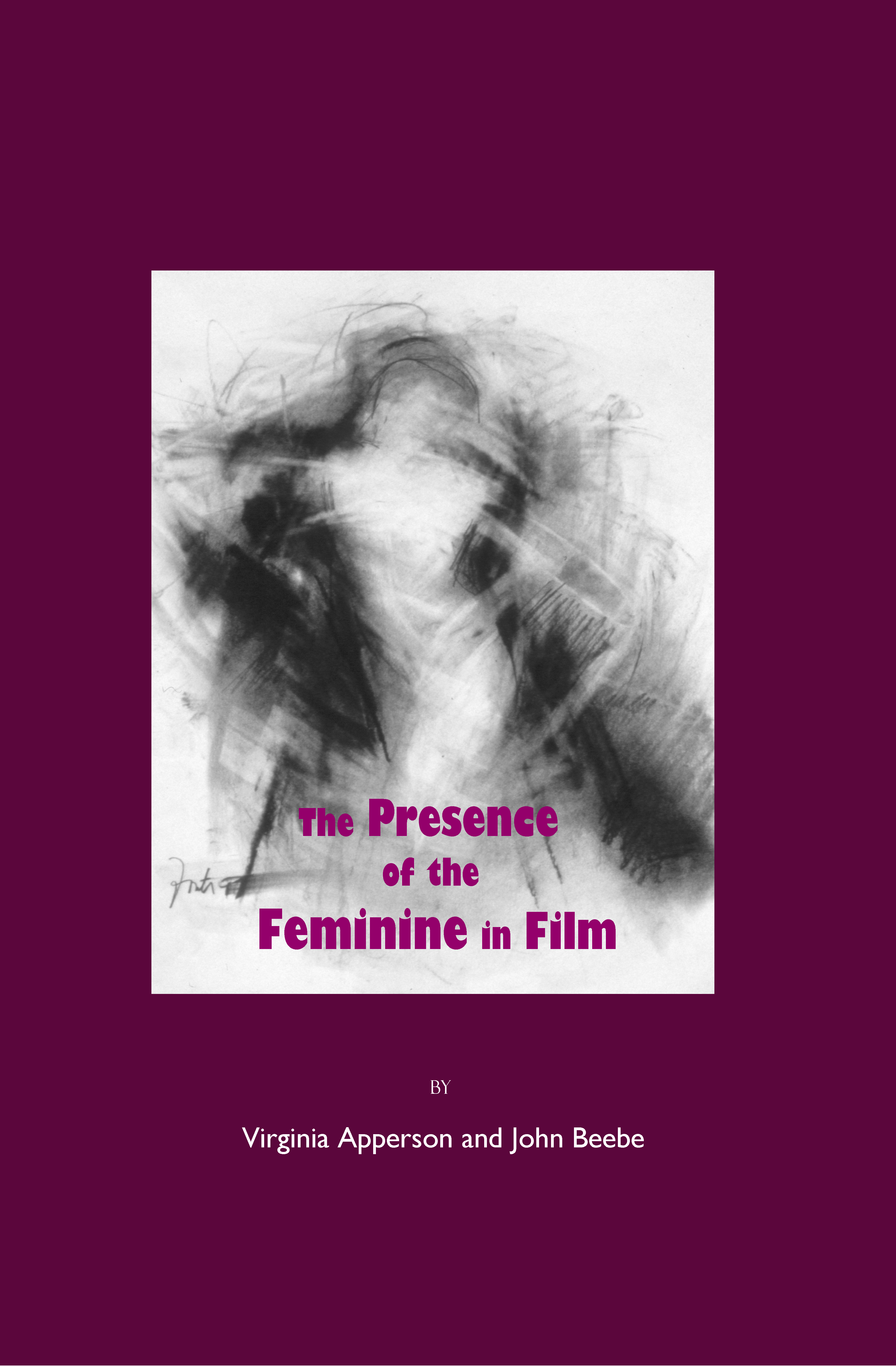
This pioneering book introduces the “feminine,” a dimension of film not reducible to women’s experience. Exploring this Jungian concept through movies spanning seven decades, it enhances the appreciation of film as a depth psychological medium.