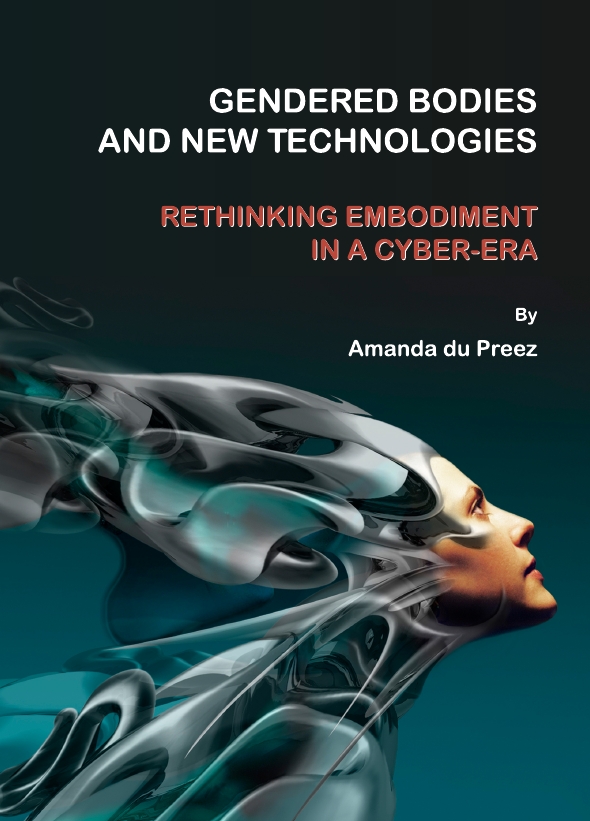
In this era of ubiquitous information flow, heightened mobility and limitless consumer convenience, human interaction with new technologies has become increasingly seamless. In the process, the human body is effectively and steadily reduced to just another interface, or a “second life”, so to speak. What is easily forgotten during this translucent transaction is that being human also necessarily implies being embodied. In other words, to constitute a body in its non-negotiable physicality is still what it entails to be human (amongst other things). To live daily in and through the complicated and dynamic intersection between “mind” and “body”, psychology and physiology―also known as embodiment―is what makes us human.
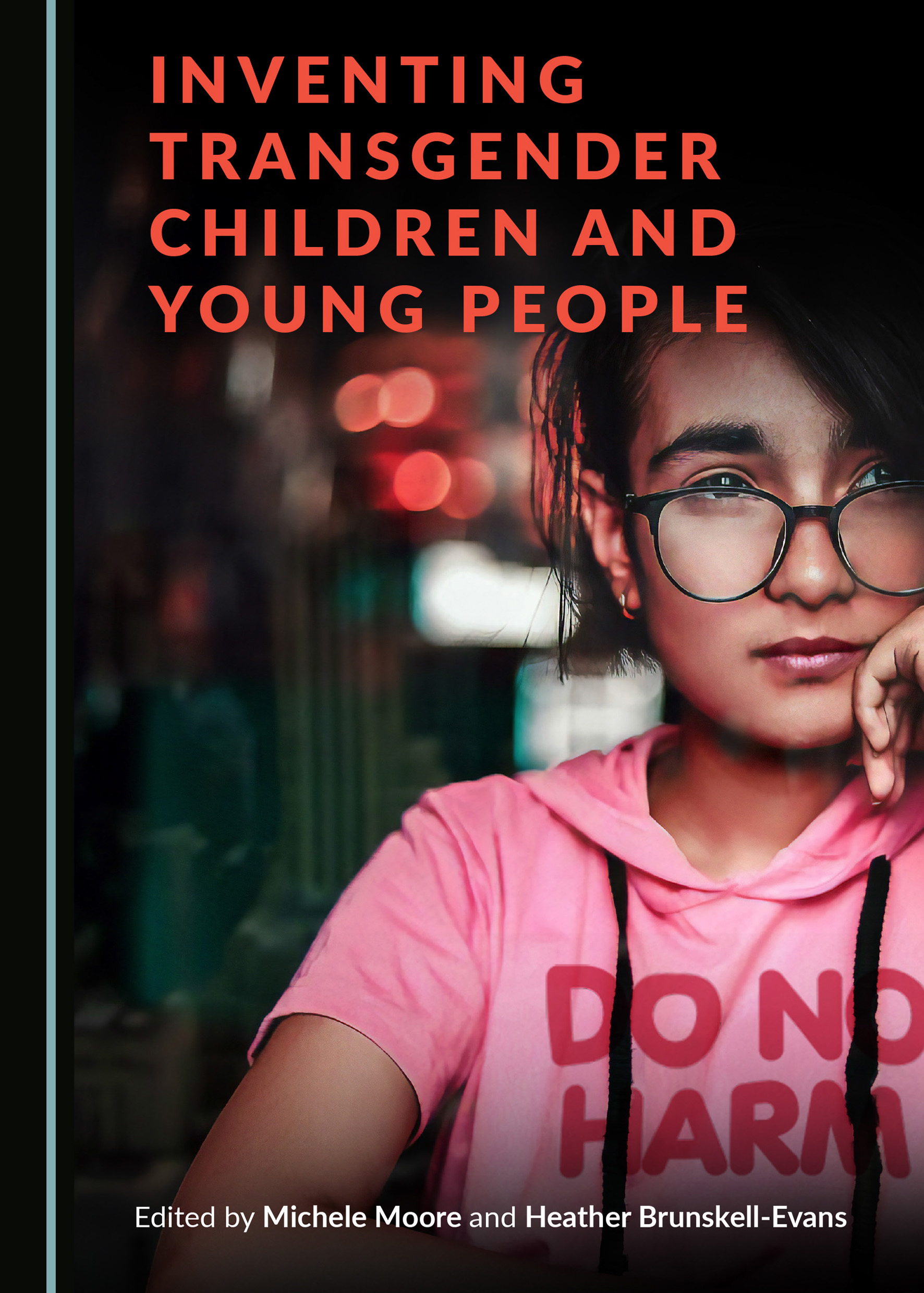
Essays by clinicians, parents, and de-transitioners demonstrate how ‘transgender children’ are invented in medical, social, and political contexts. The authors reveal the harms of transgender ideology and show how adults can intervene to protect young people.