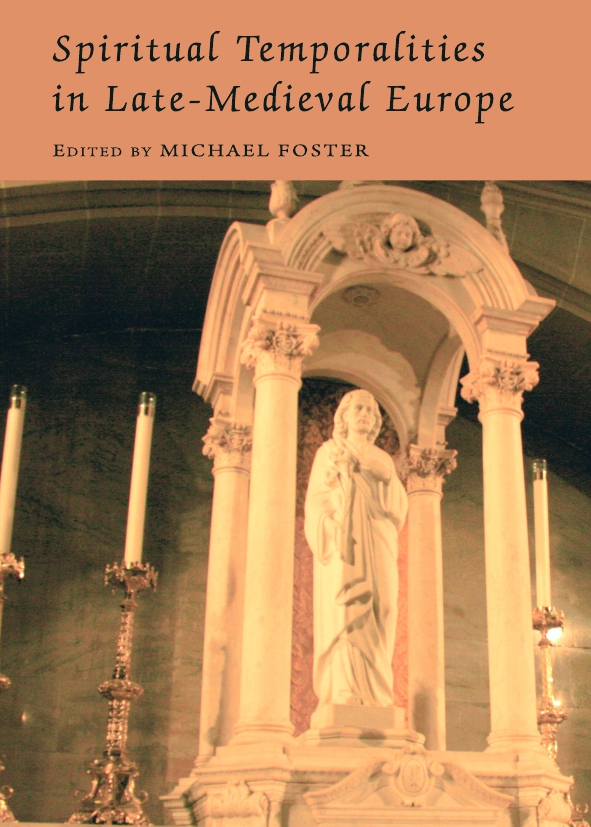
Nowadays, many take for granted that time is quantifiable and measurable; did the people of medieval Europe feel the same way? How was their perception of time influenced by their religious faith? How did their faith change over time? This book collects various attempts to trace changes to perceptions of time throughout medieval Europe by examining both how time was a spiritual experience for medieval people and how spiritual experiences changed over time in the Middle Ages. The essays in this volume demonstrate from a variety of perspectives that Christian faith was extremely malleable in the late-medieval period, and that various artists, scribes, and writers negotiated with their spiritual tradition. These are the “spiritual temporalities” of the medieval world, and by studying them we gain an understanding of how medieval culture was a dynamic gathering of different voices, movements, and beliefs, which constantly influenced and changed one another.
After the Postsecular and the Postmodern
A vanguard of scholars asks what comes after the postsecular and postmodern in Continental philosophy of religion. This volume argues philosophy must liberate itself from theological norms and mutate into a new speculative practice to confront the challenges of our time.