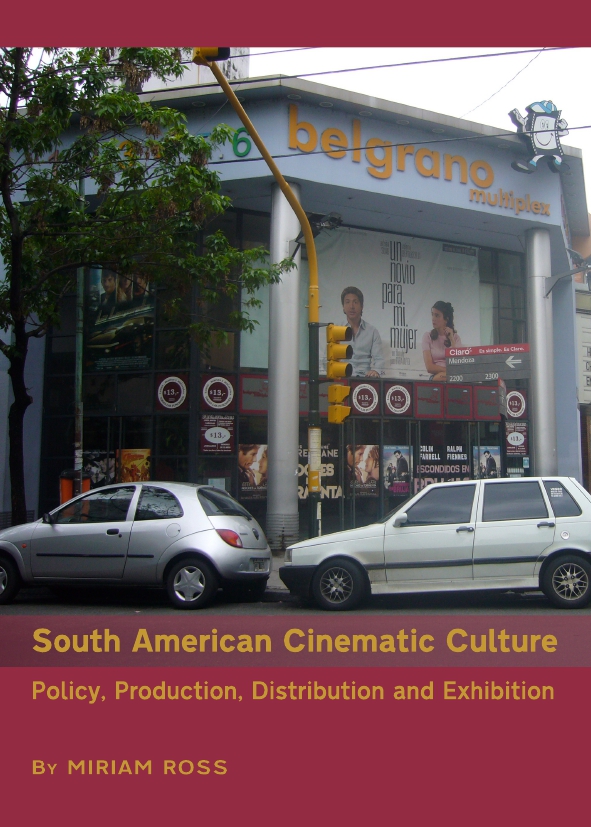

This study of South American cinema offers a new way of approaching the variety of films available in the region. It brings to light the interconnectivity between state-run institutions (film councils, cinemateques, archives), altruistic bodies (film festival funds, NGOs) and commercial organisations (production companies, exhibitors and distributors). Examples of filmmakers, policy initiatives, funding sources and alternative film networks combine to produce a rich overview of one of the most significant sites for non-Western filmmaking in the twenty-first century. There is an awareness of the place South American cinema has on the international stage and, for this reason, the study involves an in depth look at the way film products are circulated within national boundaries and through external global circuits. Drawing on scholarship from studies on Latin American culture, cultural policy, indigeneity, digital technology, globalisation, transculturation and the public sphere, new links are traced between the various fields.
This pioneering book introduces the “feminine,” a dimension of film not reducible to women’s experience. Exploring this Jungian concept through movies spanning seven decades, it enhances the appreciation of film as a depth psychological medium.