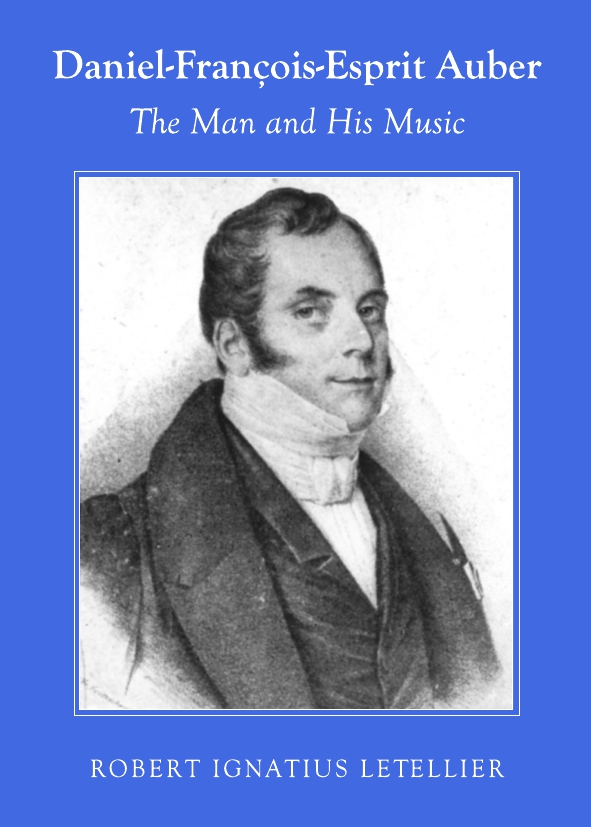
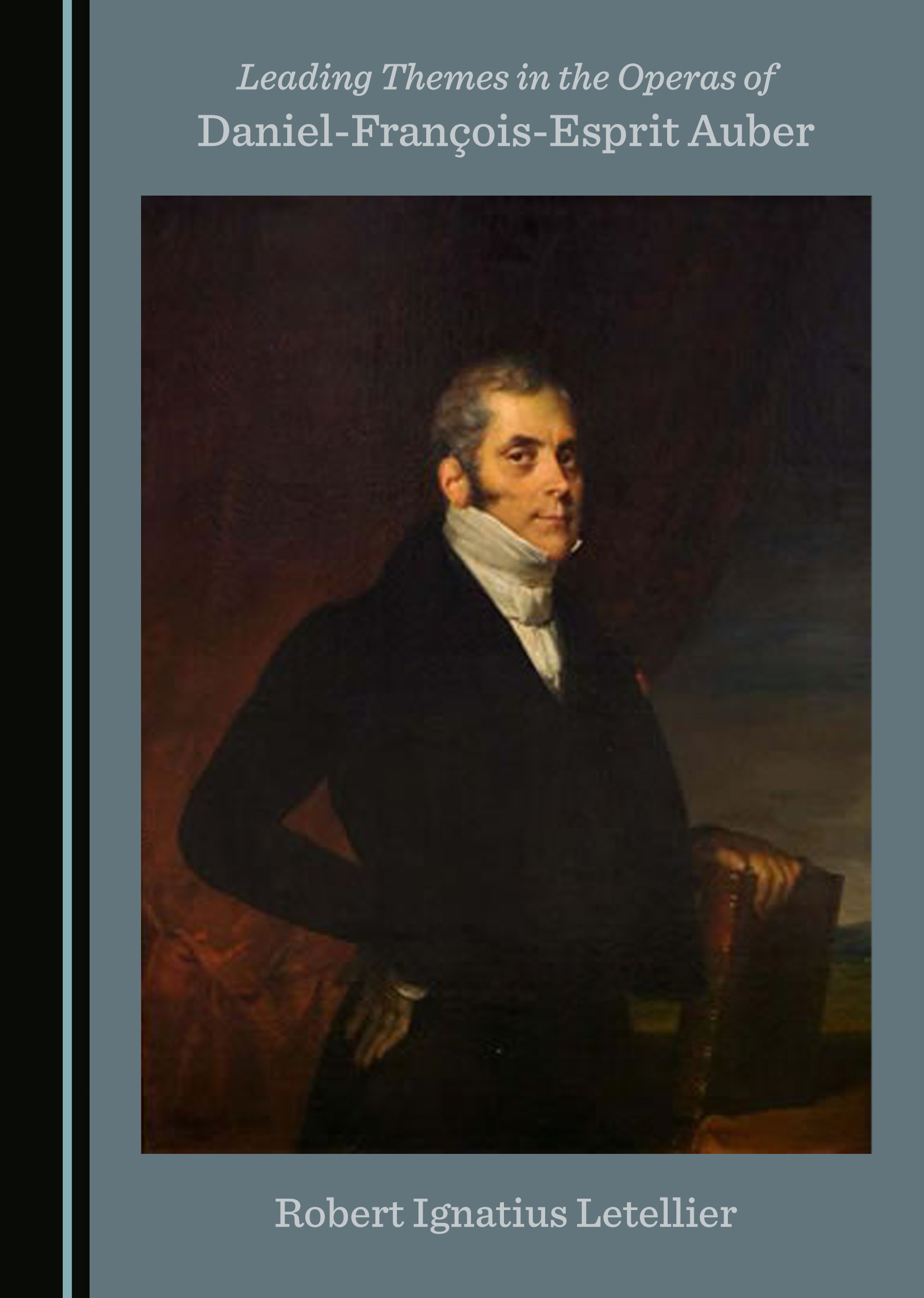
Daniel-François-Esprit Auber (1782-1871), the composer of La Muette de Portici (1828) and Fra Diavolo (1830), was once regarded as one of the great figures of music, a staple of the operatic repertoire in France, and indeed around the world. It is now almost impossible to understand the extent of his once universal fame, his influence on contemporary composers. His operas were in the theatre repertories of the world until the 1920s, and innumerable arrangements of them were published and sold everywhere. The ubiquity of his overtures—Masaniello, Fra Diavolo, The Bronze Horse, The Black Domino, The Crown Diamonds—once as popular as those of Rossini and Suppé, and the influence of his melodies and dance rhythms on piano and instrumental music, and on Romantic comic opera, was overwhelming. Nevertheless, Auber now occupies a shadowy niche in the general consciousness as the name of the metro station nearest the Palais Garnier, and remains unknown and neglected (apart of course from Fra Diavolo), although his impact on the nineteenth-century operatic theatre was just as great as Rossini’s.
The time has surely come for Auber’s life and work, especially in association with his life-long collaborator Eugène Scribe (1791-1861)—master dramatist and supreme librettist, a determining force in the history of opera—to be reassessed. Perhaps then the world will begin to hear more of Auber’s elegant gracious, life-affirming music. The aim of the present study is to offer an overview of the life and work of Auber by close examination of his forty operas, with consideration of origins, casting, plot, analysis of dramaturgy and musical style, and reception history. This is presented in the context of Auber’s relationship to the dominant genres of early nineteenth century French culture, opéra comique and grand opéra. The three evolving periods of Auber’s unique involvement with opéra comique are of principal concern.
This analysis of the operas is made in the context of Auber’s crucial working relationship with Scribe, who provided 38 of his libretti. Their cooperation is unique and of great importance on several literary, musical and cultural levels. The nature of their interaction and personal friendship is assessed by a translation of the extant correspondence between them, some 80 letters that have not appeared in English before. The presentation of each opera is illustrated by musical examples from all the scores, prints from the complete works of Scribe and other theatrical memorabilia. The study also contains bibliographies of Auber’s works and their contemporary arrangements, studies of Auber’s and Scribe’s life and work, their artistic and historical milieux, and a discography.