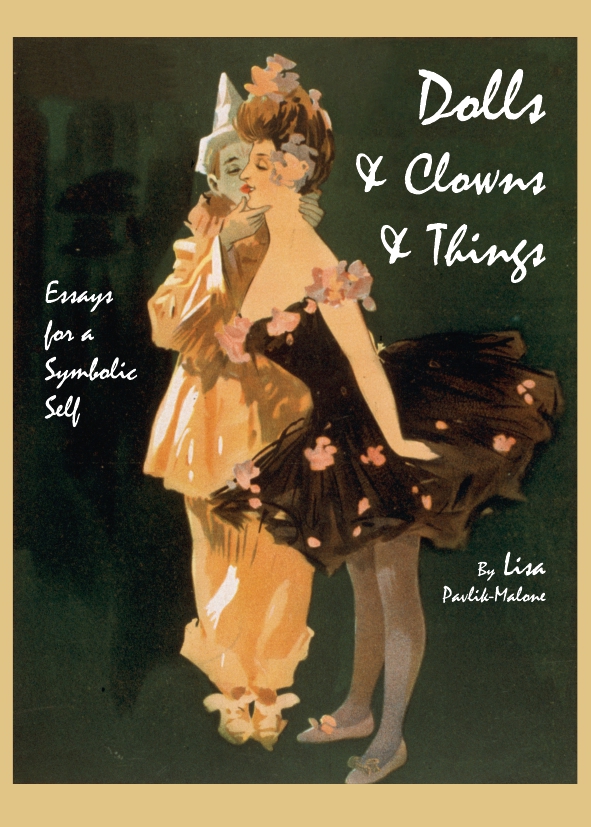
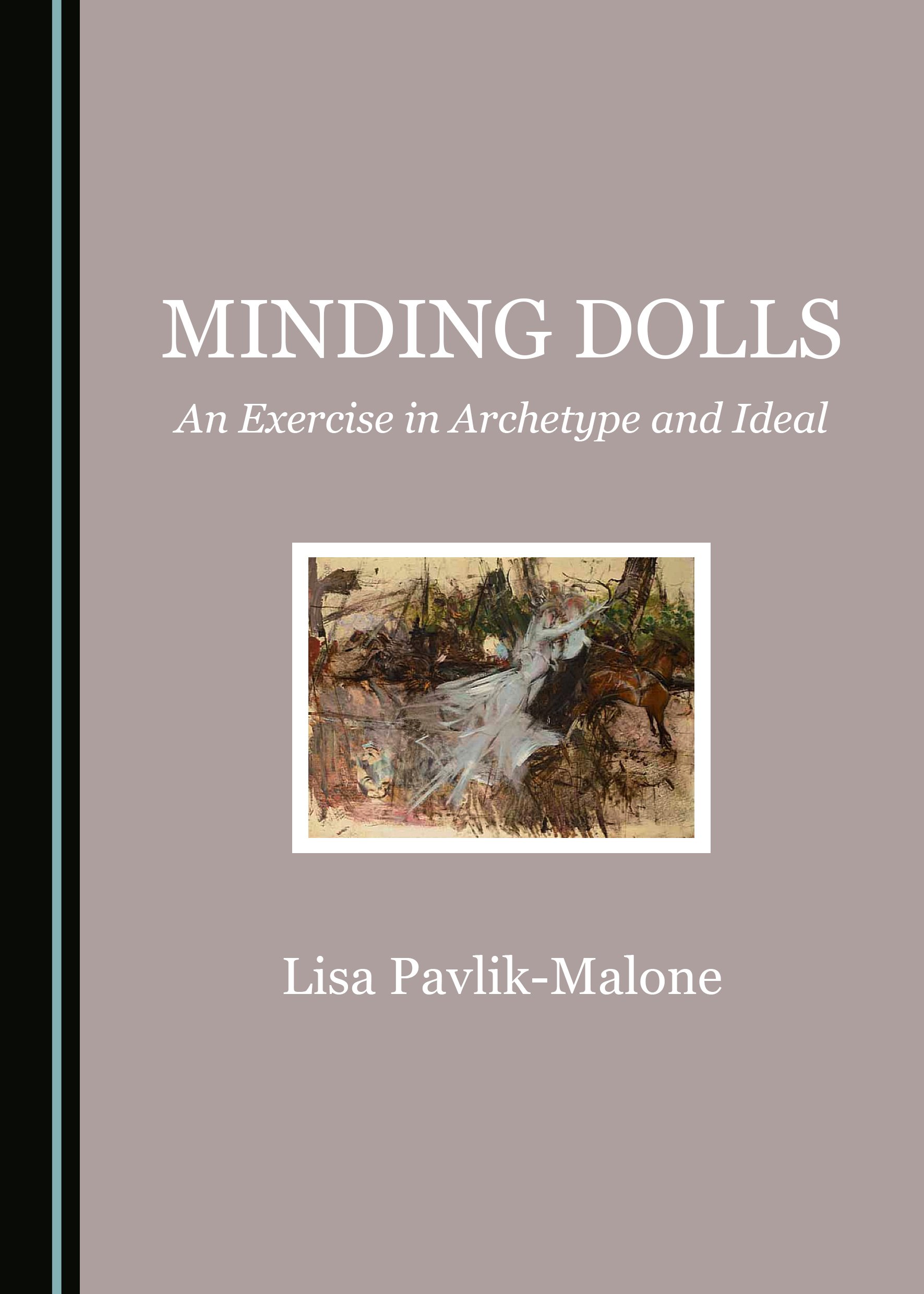
In this volume, the author explores the symbolic relationship between the self and the object through a potentially illuminating lense—cognition. From this perspective, objects in general, and dolls in particular, are studied as vehicles through which cognitive processes adapt and re-adapt themselves, in various and specific ways, to transform one’s understanding of Self as an ongoing, overarching imaginative endeavor. Although at least some aspects of thought and emotion can and do function consciously, both the “cognitive conscious” as well as the “cognitive unconscious” are interpreted as fundamental to the creation of Self. Here, the author explores three ways in which “Self” may be “nurtured” or developed by the mind: one, as my physical object, in which the “thing” becomes one’s “own” meaningful possession while retaining all the aspects of its physical nature; two, as my objectified being, in which the original physical nature of the “thing” includes its being alive, but it has since lost this phenomenological quality in a sense, as one’s “own” personal meaning has come to imbue it; and three, as my personified idea, in which the individual mind conjures up the object itself, while ascribing to it human qualities in various aspects that, in the mind of the creator at least, emanate from the object as fundamental to what it is. In each sense, the conception of Self through the object is considered as a mechanistically intricate, personally invaluable mental attribute.