View more
This product has multiple variants. The options may be chosen on the product page
From £19.99
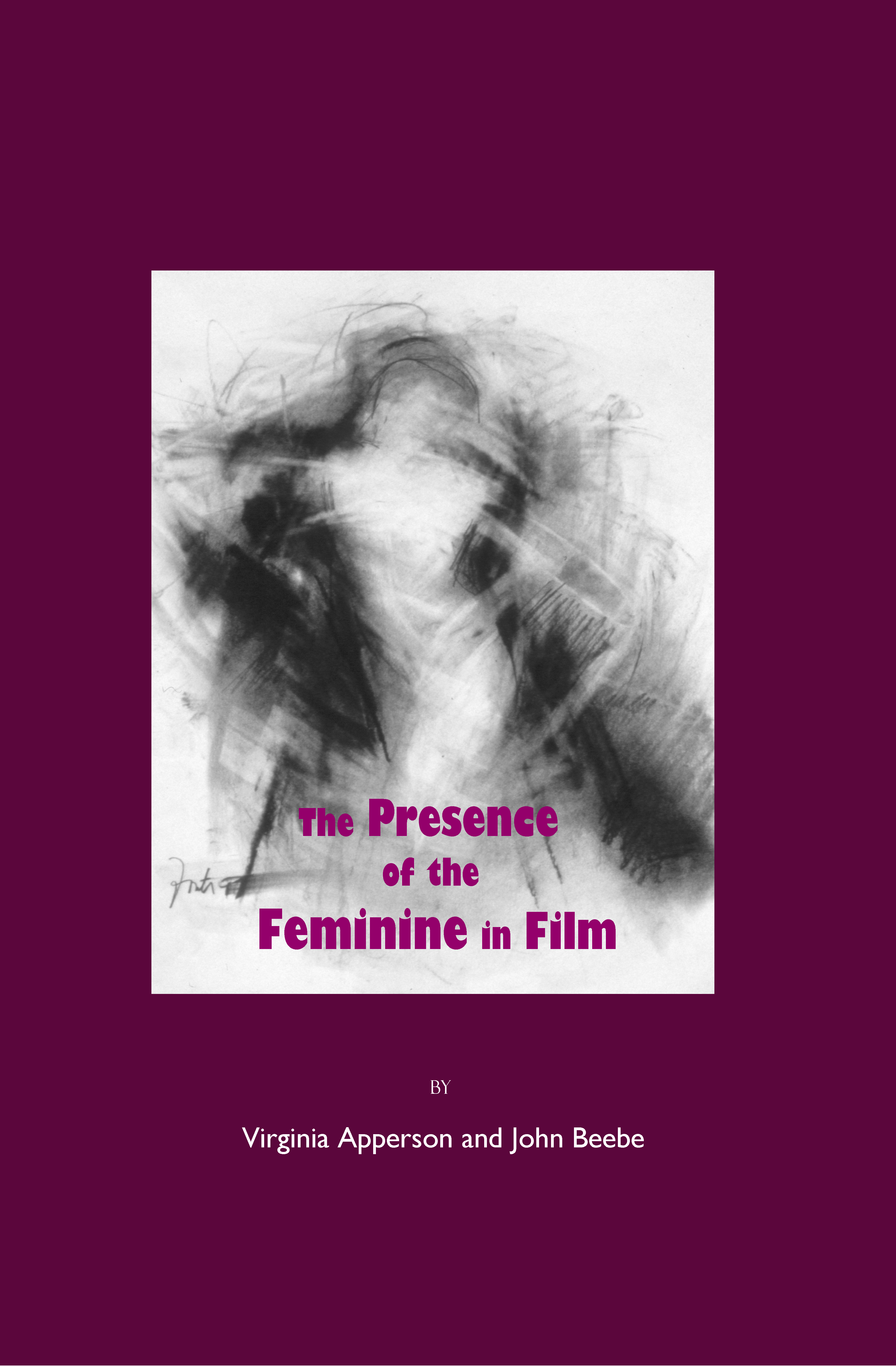
This pioneering book introduces the “feminine,” a dimension of film not reducible to women’s experience. Exploring this Jungian concept through movies spanning seven decades, it enhances the appreciation of film as a depth psychological medium.
View more
This product has multiple variants. The options may be chosen on the product page