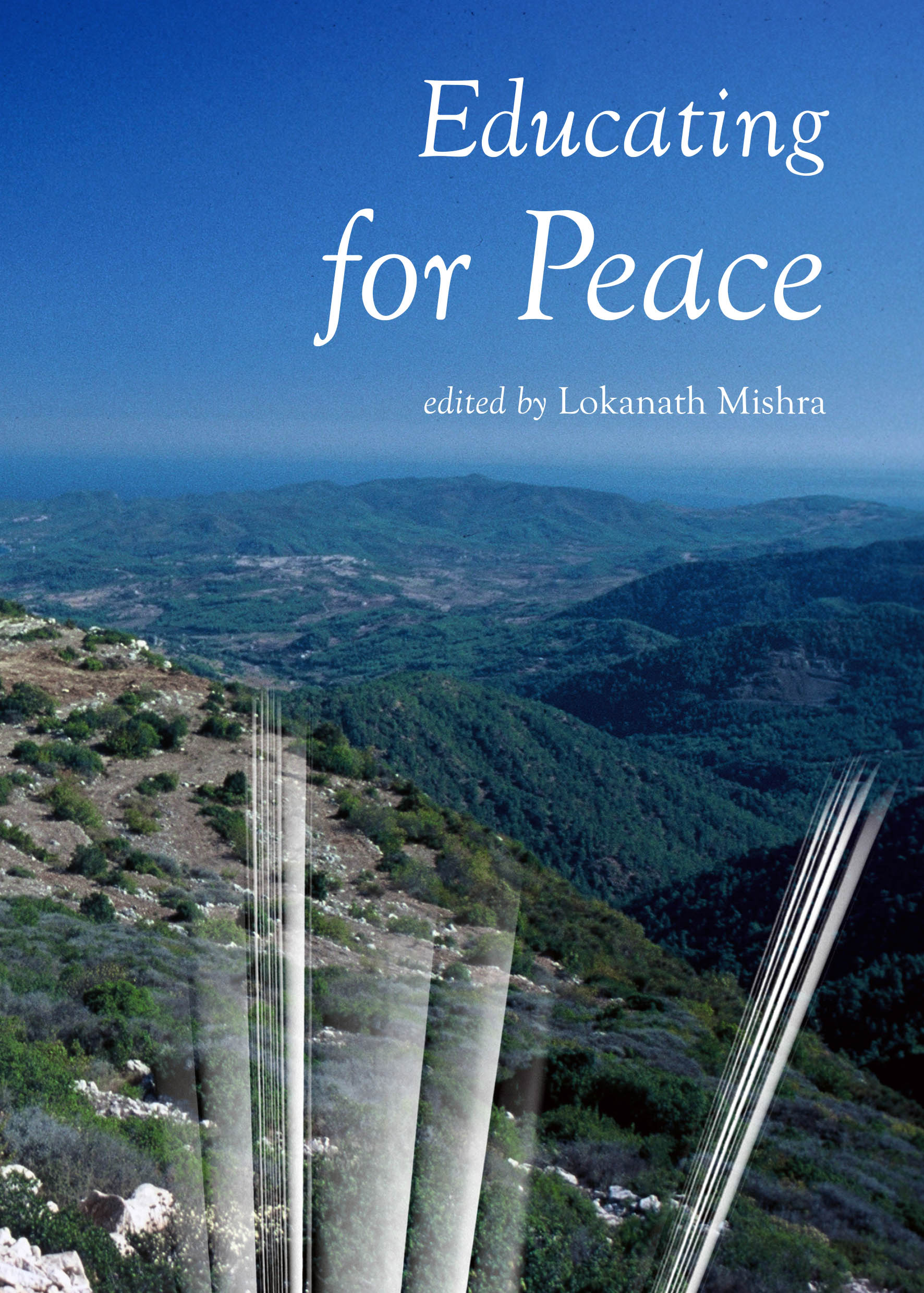
We know that peace education helps individuals transform conflict in their own lives, understand and respect other cultures and ways of living, and treasure the Earth. Teachers of peace education encourage their students to cooperate with each other, think critically, solve problems constructively, take part in responsible decision-making, communicate clearly, and share their feelings and commitment openly. These skills and values are essential for survival in an increasingly interdependent world, where violence has become an instrument of policy. Peace education seeks to enable learners to envision a range of possibilities that could lead from a culture of war and violence to a culture of peace. One widely used method to encourage such envisioning is posing an inquiry into the characteristics of peace. Efforts are being made to educate students and teachers about non-violence and human rights via peace education programs. This book lays a foundation for students, teachers and peace educators to explore the elements necessary to create a peaceful society. Educating for Peace will help to build a peaceful, just and sustainable world for our children.
Educating for Peace consists of seventeen chapters. Chapter one deals with the pro-motion of education for a peaceful society; chapter two details how to emphasise the importance of peace to children. Chapter three of this book sketches out peace education in a non-formal way, while chapter four deals with education for peace and non-violence. The following chapter clearly defines the conceptualization of peace education. Chapter six defines what exactly a culture of peace entails, while chapter seven deals with a research study on non-violence. Chapters eight and nine address pressing concerns in peace education and creating a violence-free school respectively. Chapters ten and eleven deal with the role of value education for world peace. Chapter twelve deals with pedagogical approaches and chapter thirteen defines human rights education. The remaining chapters deal with different aspects of peace education. This book is an attempt to identify and deliberate on topics that should be addressed if we are to fully establish peace education. This book is written mainly for researchers, peace educators and students.