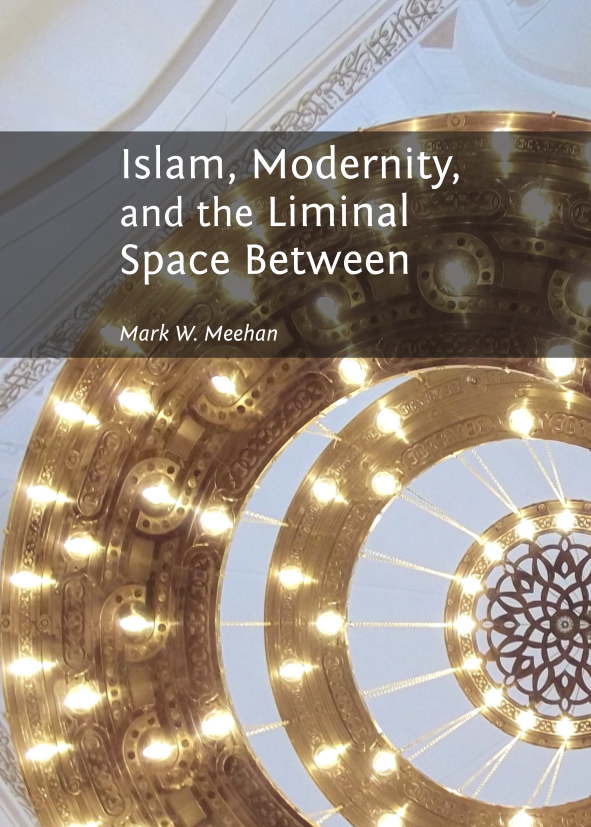
This book investigates the development and function of the Institute of Traditional Islamic Art and Architecture (ITIAA) in Amman, Jordan. A vertical case study using grounded theory methodology, the research creates a rich and holistic understanding of the Institute. Specific areas of study include the factors involved in the founding of the Institute within the context of Arab and Jordanian higher education, the role of traditional Islamic philosophy in the function of the Institute, and the role of the anthropological concept of liminal space in the clarification of students’ values during the academic program.
Data for the research came from thirty hours of interviews completed with over thirty individuals, a twenty item survey completed by sixty-five students, classroom observations, and analysis of an array of documents from the League of Arab States, the Jordanian Ministry of Higher Education and Research, the Jordanian Accreditation Association, the World Islamic Science and Education University, and the Institute for Traditional Islamic Art and Architecture.
In regard to the role of traditional Islamic philosophy, the study delineates how the combination of theological/philosophical commitments of founders, faculty, and students combined to create a deep and pervasive role of traditional Islamic philosophy, evidenced in classrooms, interviews, and documents. Students, faculty and staff reflected a vital commitment to Islamic understandings of education, art, and beauty.
The book concludes by noting the vital importance of such institutions as ITIAA in providing the space and means for Arab-Muslims to understand their own culture, assess others, and form new versions of Arab-Muslim culture that are viable and productive in the current age. It is noted that transnational organizations, such as the League of Arab States, could help facilitate educational diversity by fostering the development of a second level of small, traditionally focused institutions. Such institutions can reinforce traditional values, provide liminal experiences, and facilitate creation of artifacts of liminal activity, reflecting students’ ability to combine modern and traditional value systems.