• 0 Items - £0.00
    • No products in the cart.

£47.99

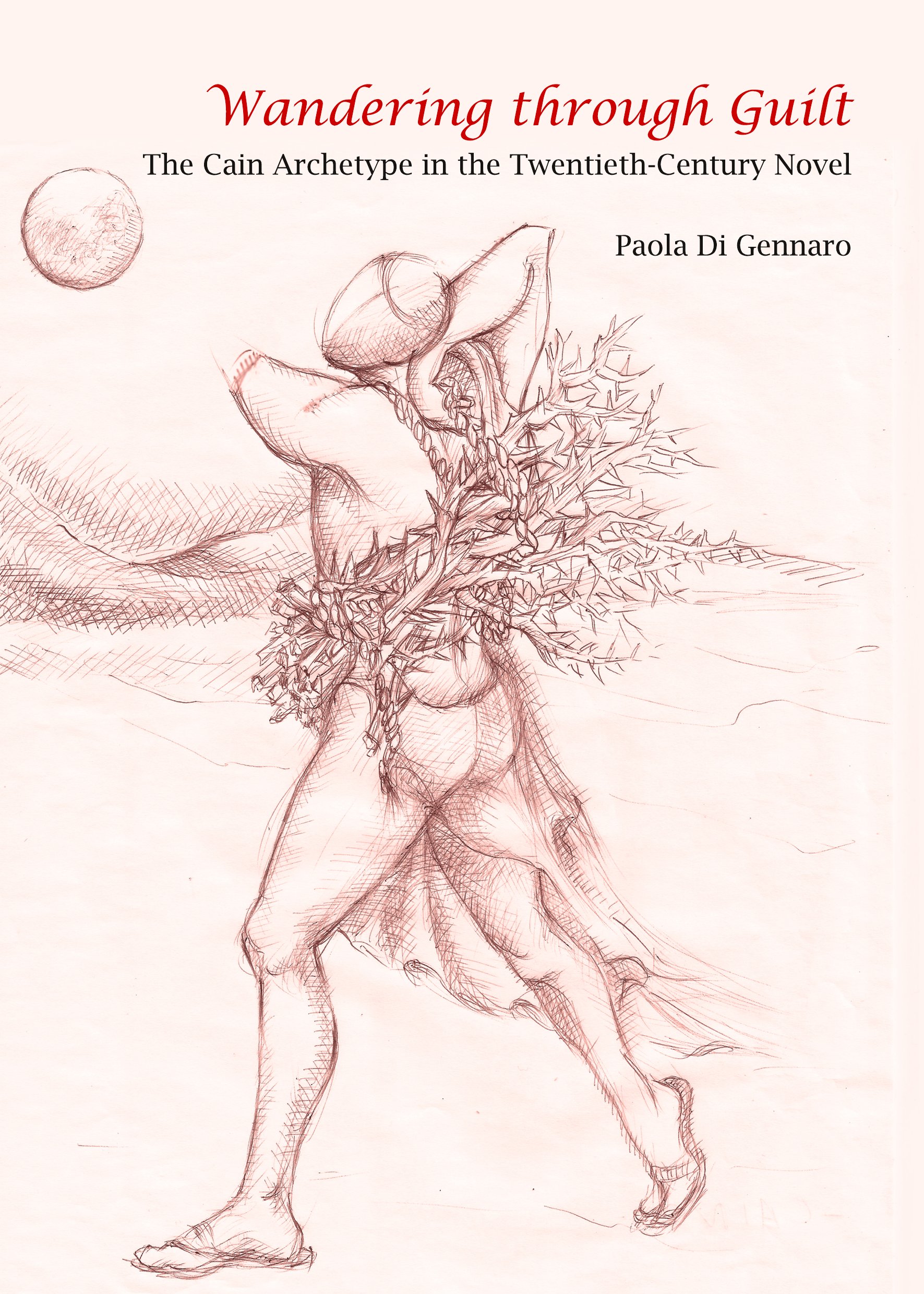
Wandering through Guilt

The Cain Archetype in the Twentieth-Century Novel
By: Paola Di Gennaro

£47.99

This study examines the relationship between guilt and wandering in 20th-century literature. Using the biblical figure of Cain as an archetype, it analyzes novels where the issue is a desperate movement toward self-consciousness or self-destruction.

The first comprehensive study on the pattern of guilt and wandering in literature, this book examines the relationship between the two complex concepts as they…
£47.99
£47.99
1-4438-6525-7 , ,
Share

The first comprehensive study on the pattern of guilt and wandering in literature, this book examines the relationship between the two complex concepts as they appear in twentieth-century novels, positing its methodological premises on archetypal criticism and both close and distant reading, but also drawing on psychology, anthropology, mythology, and religion. This research deciphers a common paradigm and literary representation whose archetype within Western literature is found in the biblical figure of Cain, while presenting a critical framework valid for boundary-crossing comparative approaches.

From Graham Greene’s The Power and the Glory and Malcolm Lowry’s Under the Volcano, to Wolfgang Koeppen’s Death in Rome and Ōoka Shōhei’s Fires on the Plain, this book is not merely a thematic study, but an analysis of the literary phenomena that appear in those novels where the sense of guilt is controversially subjective, or so collective as to be perceived as universal, as is often the case with war and postwar literature. Di Gennaro goes beyond the analysis of explicit rewritings of the story of Cain, in order to uncover the monomyth through its rhetorical structures and mythical methods. The wasteland with no religion; the lost, abandoned garden; the classical and religiously-corrupted city; and the tropical, cannibalistic island at war are the respective settings of these narratives, where the issue is neither homelessness nor journeying, but, rather, the desperate and futile movement toward self-consciousness, or self-destruction.

After the Second World War, much was silenced rather than left unsaid. This study retraces those silent cries over history through the powerful literary marks of myths.

Paola Di Gennaro holds a doctorate in English and Comparative Literature, and at present teaches English literature at the Universities of Naples “L’Orientale” and Suor Orsola Benincasa, Italy. Her research interests and publications include studies in the field of European, Anglo-American, and Japanese studies. She has also published poems and short stories, in both English and Italian.

Hardback

  • ISBN: 1-4438-6525-7
  • ISBN13: 978-1-4438-6525-8
  • Date of Publication: 2015-03-26

Ebook

  • ISBN: 1-4438-7991-6
  • ISBN13: 978-1-4438-7991-0
  • Date of Publication: 2015-03-26
285

Subject Codes:

  • BIC: D, DSBH, DSK
  • THEMA: D, DSBJ, DSBH
285
  • "The themes of guilt and exile, and of wandering, are connected in more cultures than in just the west. Paola Di Gennaro demonstrates this, as well as many other important concepts, in this book where she seeks to analyse the archetypal character of the two themes: Cain. The reader is encouraged right from the start by the book's clear structure: Di Gennaro divides the book into three well-defined parts, each consisting of two chapters, followed by a final conclusion. What needs to be emphasised about Di Gennaro's work is how she very clearly isolates the problems that she confronts and how she provides a large number of case studies, which are not all necessary literary."
    - Saverio Vita University of Bologna

Meet The Author