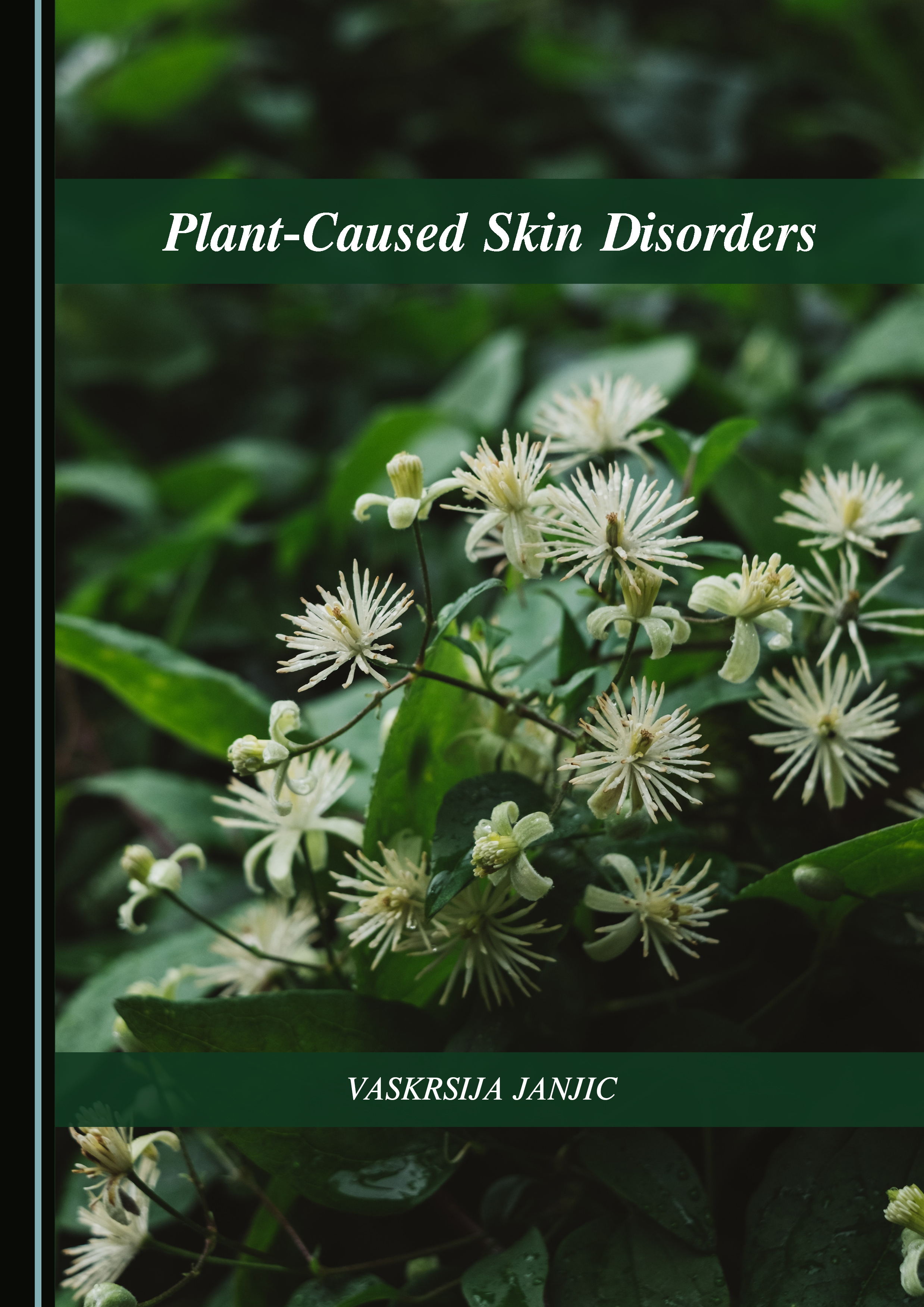
This book covers the basic concepts of phytodermatoses and groups of compounds in plants that have such physiological effects on humans. In order to allow the reader a better understanding of phytodermatoses, skin reactions caused by contact with plants are classified as allergic contact dermatitis, irritant contact dermatitis, contact urticarial, and phytophoto dermatitis. Dermatoses are caused by certain plant constituents that are often classified into groups, such as alkaloids, glycosides, glucosinolates, saponins, phenols, and other compounds. The book also describes 68 plants species that cause dermatoses in humans, especially in those who are engaged in their production, cultivation, planting, pruning, arranging and selling. The plants are classified into 25 families to which they belong. For each plant, the morphological description, habitat, distribution, variability, and their main constituents with toxic and dermatological effects are given.
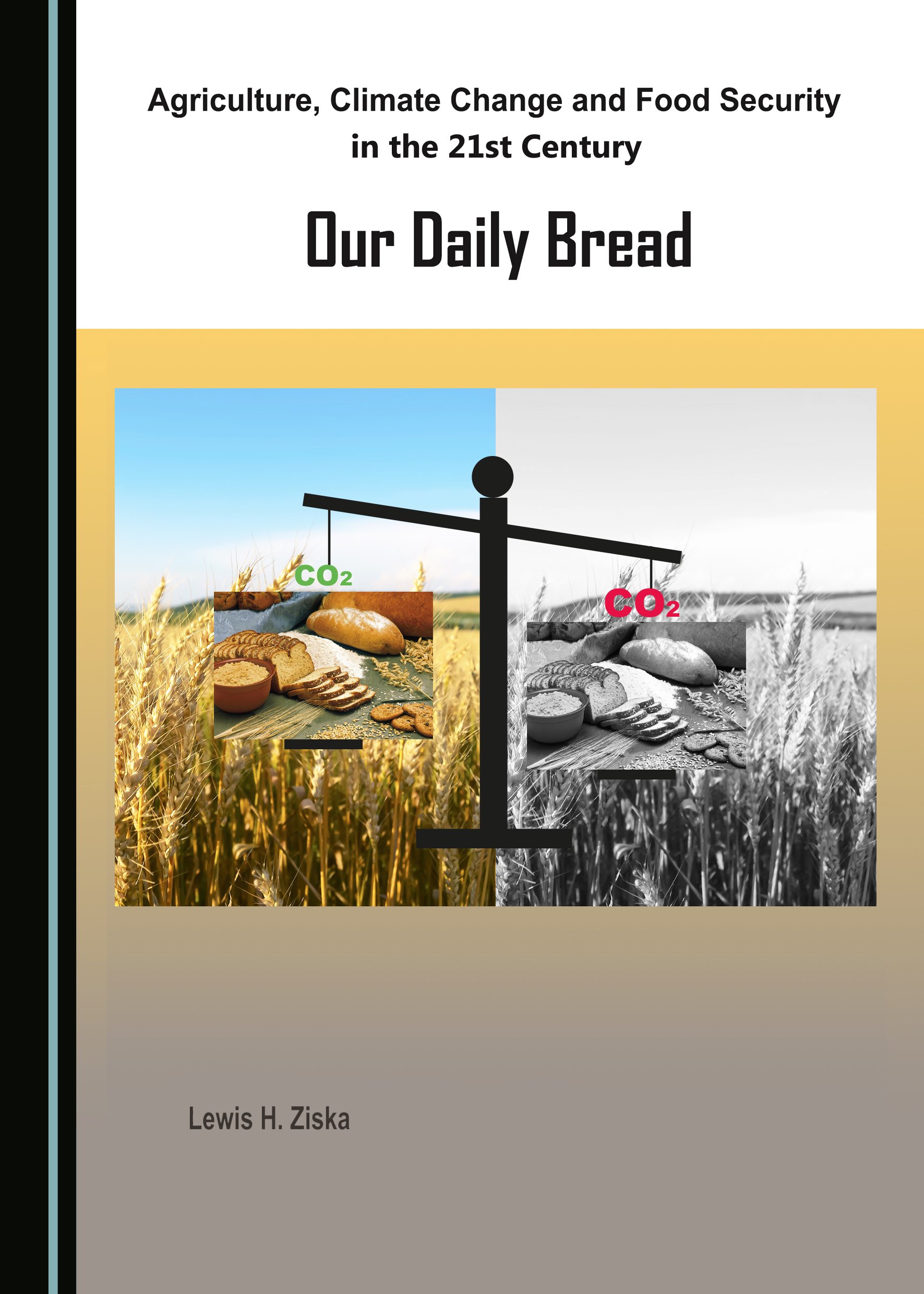
Man-made climate change poses a new crisis: how do we feed 10 billion people in a climate hostile to food security? This book explores the threat to our “daily bread” and argues that we are not without hope, offering solutions that can lead to a better future for humankind.