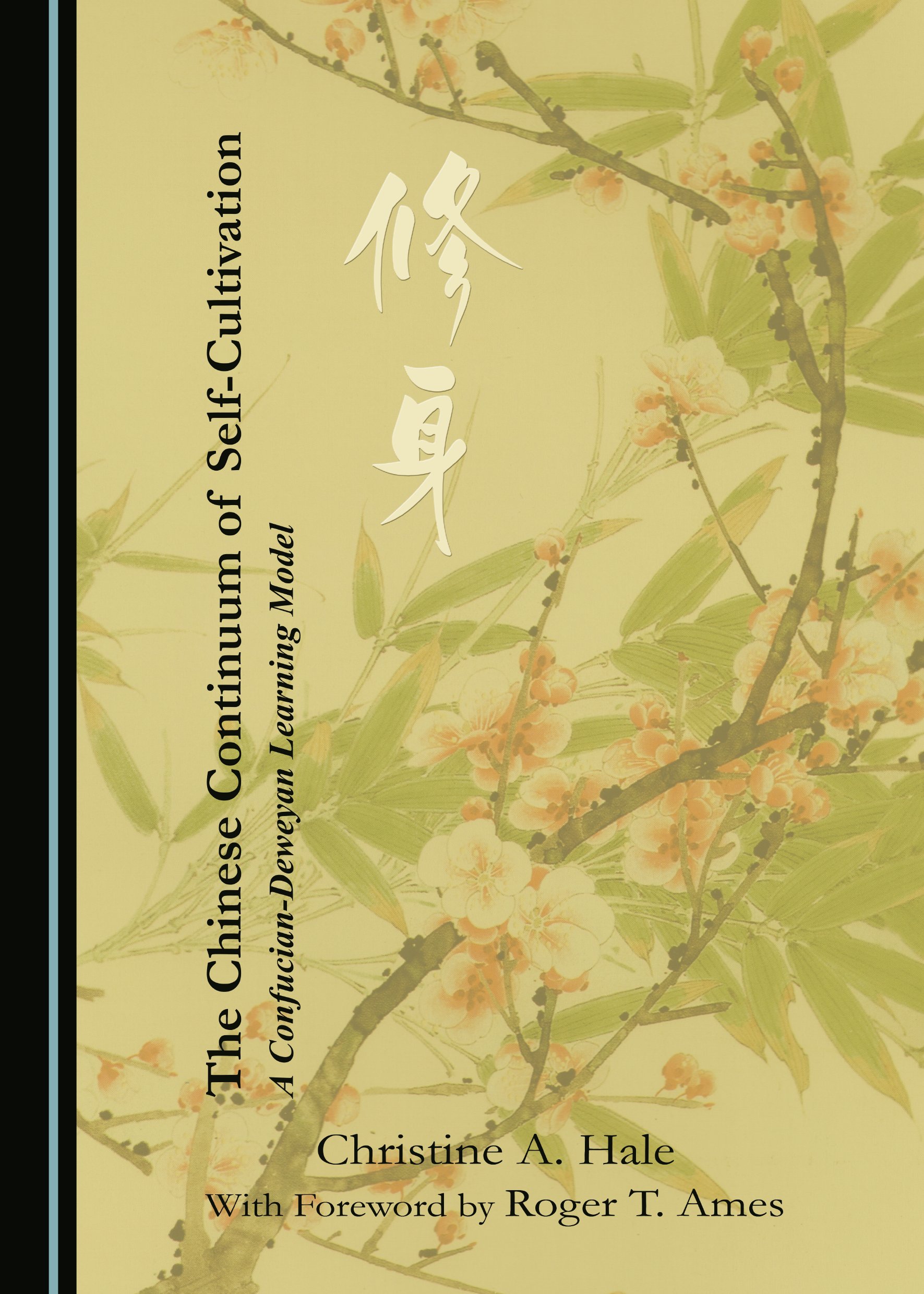
The Chinese Continuum of Self-Cultivation explores a transcultural philosophy of education based on the Neo-Confucian concept of the universal nature of self in the co-creative process of self-cultivation (xiushen 修身). This ancient approach to knowledge synthesis and consolidation informs and enhances the educational theories of John Dewey (1859–1952), creating a cross-cultural educational template for the 21st century. The Confucian-Deweyan educational model explored is not only a transcultural educational approach in the changing face of globality, but also a means to encourage and foster humanitarian and communitarian values in the learner. That is, a wholistic approach to education whereby the individual considers the other – human and natural – tantamount to the self in an increasingly shifting world. This concept is in direct opposition to the anthropocentric approach of egoistic individualism currently prevalent in post-modern societies. The educational model developed fosters cooperation, rather than competition; community over individualism, enabling non-European indigenous values and problem-solving to co-exist in balance with Western neo-liberal forces in the global arena. The model of education developed herein enables the phenomenon of glocalization (the overlap of global and local issues) to be pragmatically addressed in cross-cultural contexts, promoting economic, environmental, cultural and human sustainability for the future. This work will appeal to comparative philosophers, educationalists, and designers of pre-tertiary curricula.