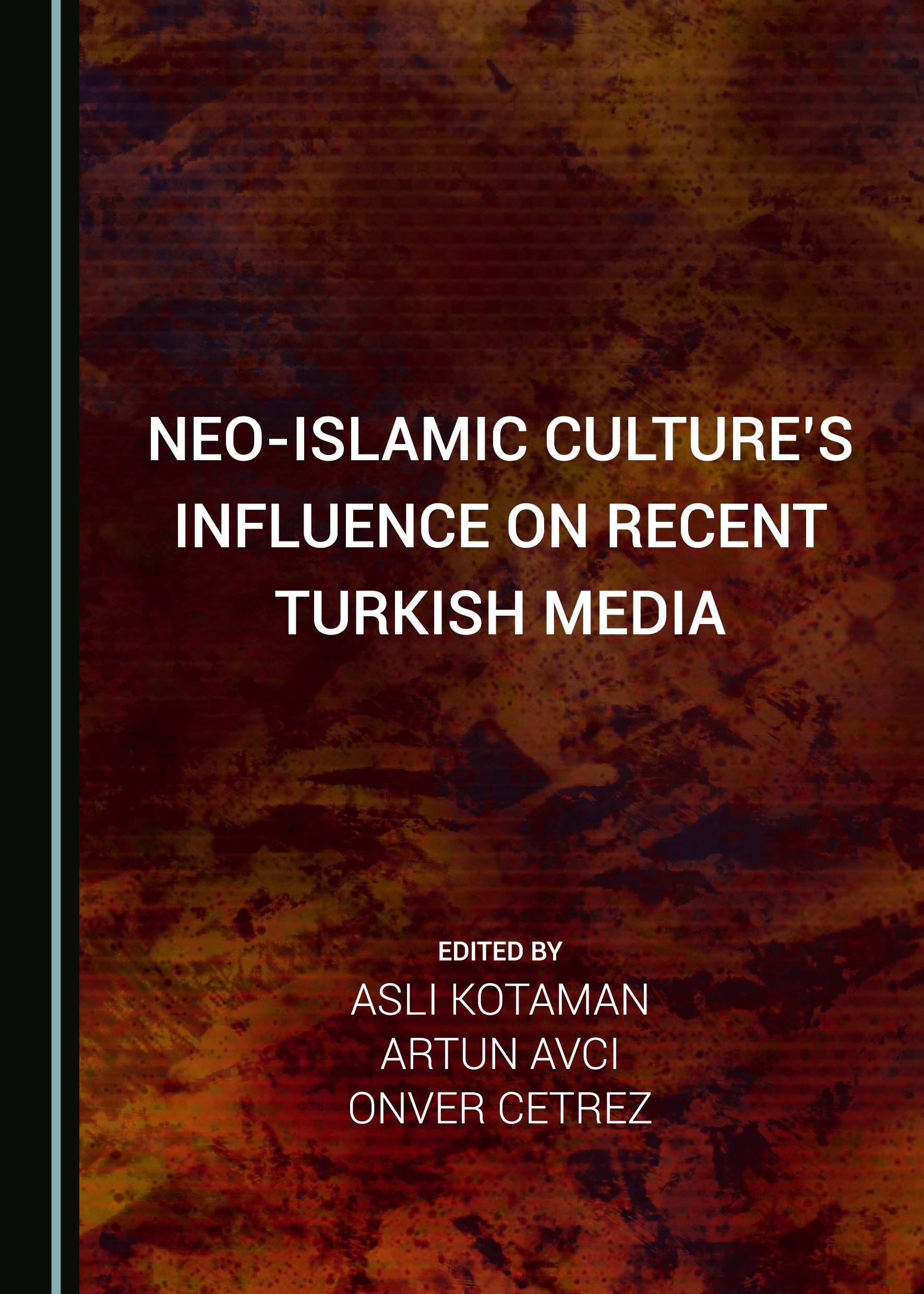
The volume looks at the relation between contemporary Turkish film and television discourses and religion, in relation to the traditions and rituals of Islam, the representation of Muslim women, and subsequent changes in narratives and characters. It employs differing approaches to the relationships between media and religion, concentrating on how religion has started to shape the politics of film in new cinema practices in Turkey. As such, the book represents a comprehensive resource on recent Turkish cinema and TV – a milestone at a time when numerous disciplines have shown an increasing interest in the emerging new Islamic popular culture. It will appeal to those who are interested in Turkey’s opinion about itself, scholars who work in film studies, media studies, religious studies, gender studies and the political sciences, as well as anyone with an interest in Middle Eastern studies and media.
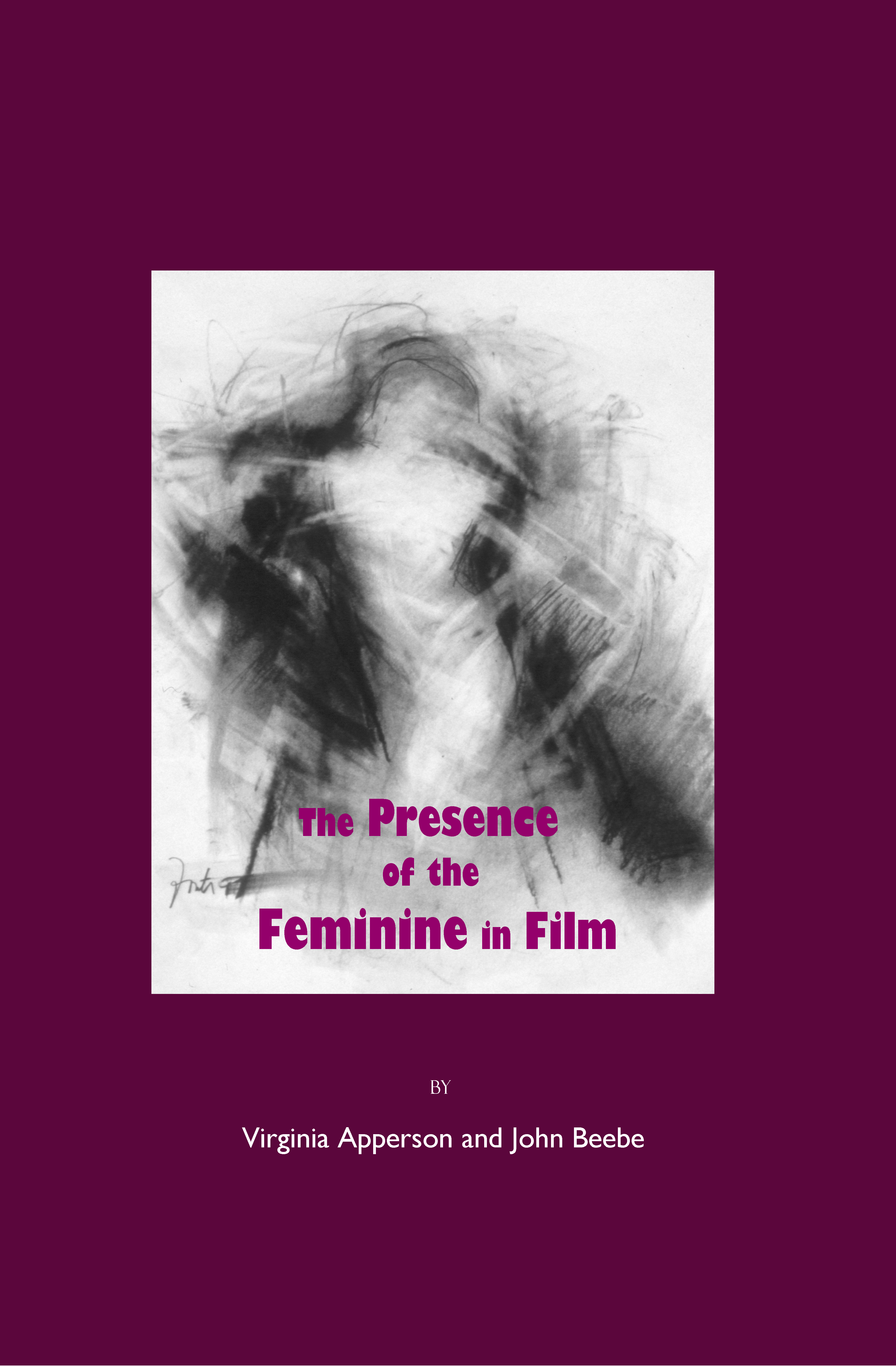
This pioneering book introduces the “feminine,” a dimension of film not reducible to women’s experience. Exploring this Jungian concept through movies spanning seven decades, it enhances the appreciation of film as a depth psychological medium.