• 0 Items - £0.00
    • No products in the cart.

£88.99

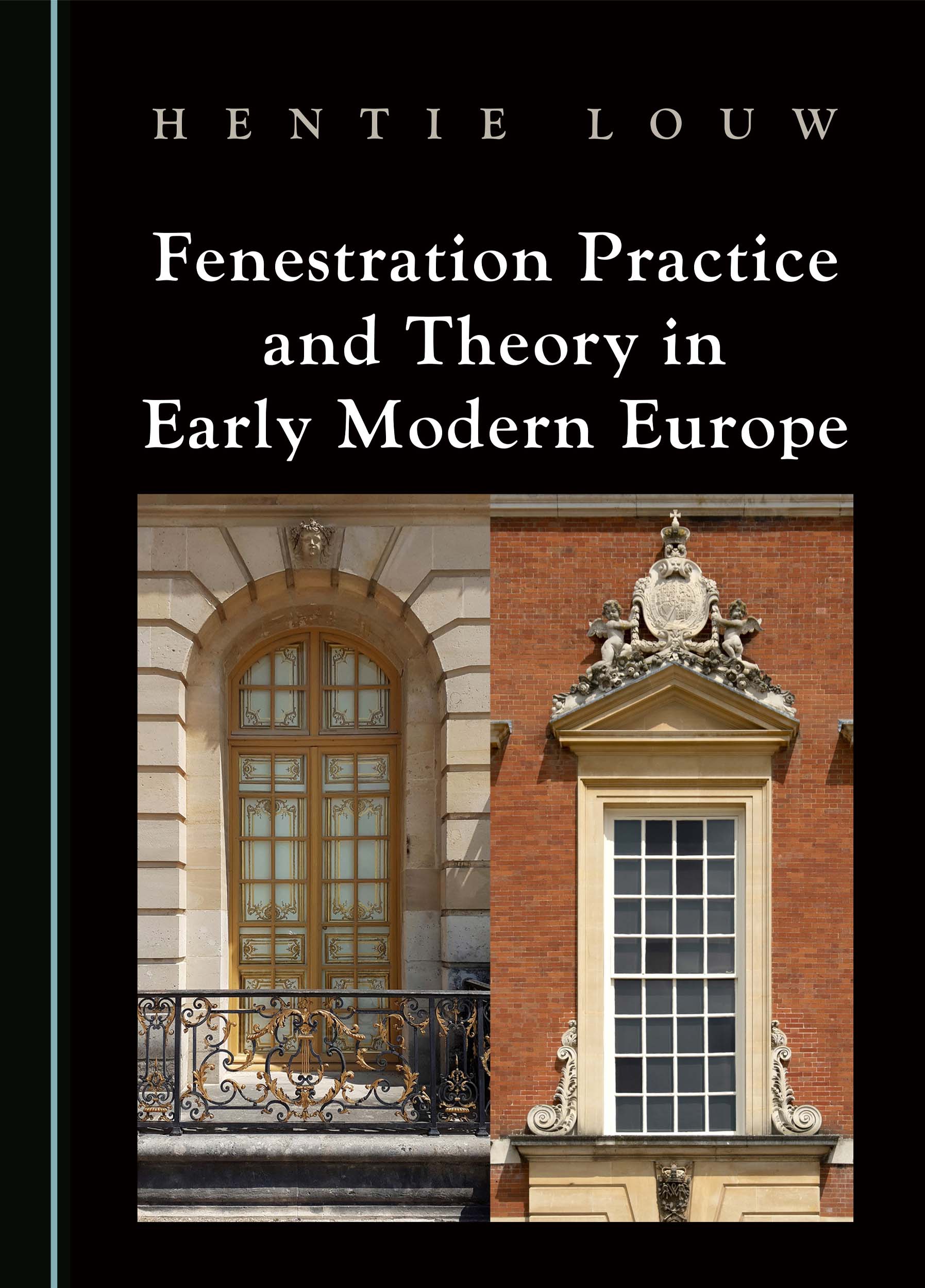
Fenestration Practice and Theory in Early Modern Europe

By: Hentie Louw

£88.99

This book explores the window's transformation in Early Modern Europe. Driven by a classical revival and the climate change of the Little Ice Age, builders created new traditions that rivalled Italy, culminating in the iconic French casement and the English sash window.

This book explores the transformation of the window during the Early Modern Period in Europe. Following the Italian Renaissance, new stylistic norms for modern ‘classical…
£88.99
£88.99
Share

This book explores the transformation of the window during the Early Modern Period in Europe. Following the Italian Renaissance, new stylistic norms for modern ‘classical windows’ had to be invented. Building a new classical repertoire drew on existing traditions in fenestration as local builders throughout Europe struggled with the constraints of varying climatic conditions, customs and physical resources in pursuit of a broader vision of an international classical revival. With the Renaissance, the architectural emphasis shifted towards secular design and, as the classical revival gained momentum, a quest for a cultured lifestyle commensurate with the new architecture increased demand for sophisticated fenestration systems in civil architecture. The movement coincided with a period of dramatic climate change, the so-called Little Ice Age (c. 1450 – c.1850), adding urgency to the campaign for transforming fenestration practice. By the late seventeenth century, Northern European builders had developed appropriate indigenous ‘classical’ window forms for their respective societies – functional products sophisticated enough to form the basis of new architectural styles: northern classical traditions that rivalled (and in some respects, surpassed) those created in Italy. Their achievement was embodied in the two flagships of the movement: the Franco-Italian folding casement (the ‘French window’), and the English mechanical sliding window (the ‘sash window’).

Hentie Louw qualified as an architect at Pretoria University, Republic of South Africa, before leaving for Europe in 1972. He holds postgraduate degrees in architectural history from the Universities of Newcastle and Oxford, both in the UK, and taught architecture fulltime at Newcastle University until retirement. He combined research in architectural and construction history with teaching and the promotion of all three subject areas nationally and internationally. He served as President of the European Association of Architectural Education (1993-5) and Chairman of the Construction History Society (2002-6). He is a chartered member of the Royal Institute of British Architects (RIBA) and Fellow of the Society of Antiquaries of London.

Paperback

  • ISBN: 1-0364-0247-9
  • ISBN13: 978-1-0364-0247-1
  • Date of Publication: 2024-06-06

Ebook

  • ISBN: 1-0364-0248-7
  • ISBN13: 978-1-0364-0248-8
  • Date of Publication: 2024-06-06

Subject Codes:

  • BIC: AMX, JFCD, TBX
  • THEMA: AMX, JBCC2, TBX
620

Meet The Author