This collection spans a vast chronology and territory, ranging from Old Kingdom Egypt to modern-day Slovenia and moving geographically from the centres to the peripheries of the Mediterranean and back again, including Antinoë, Calabria, Belgrade, and Paris. While this volume can be situated well within the context of Mediterranean studies, each essay serves as a micro-study that demonstrates one of the many ways in which Mediterranean communities have co-opted, appropriated, and adapted symbols from one another. As a result, this interdisciplinary volume adds something unique to each discipline represented within it (including history, anthropology, art history, literature, and philosophy, among others) while contributing to the greater discourse of Mediterranean studies. Furthermore, the essays collectively illustrate how symbols were distributed widely among Mediterranean communities and, consequently, further a dialogue about what “Mediterranean” might mean. Overall, the original content and its accessibility make the volume valuable to academics, graduate and undergraduate students, and general audiences alike.
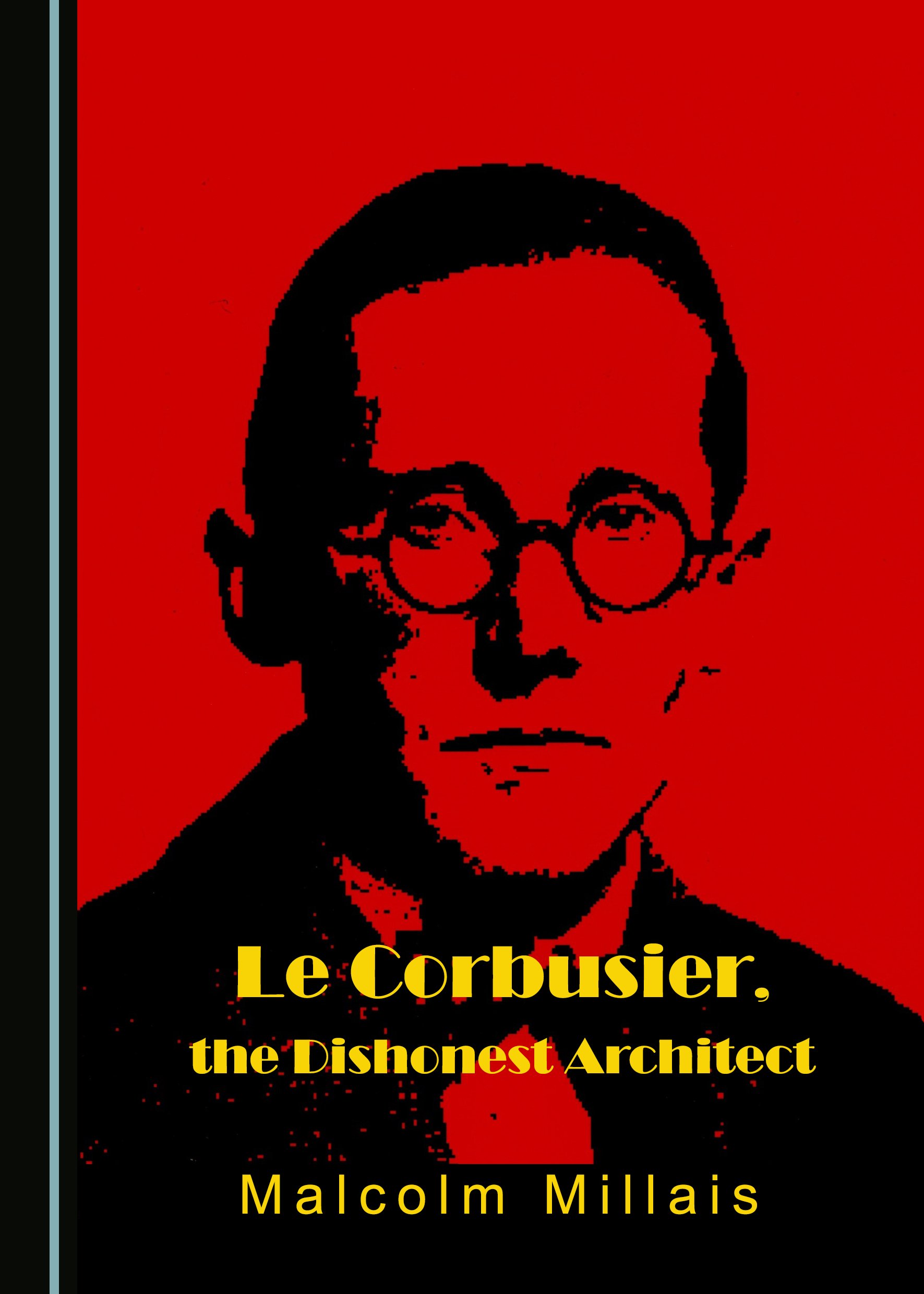
Millais exposes the myths that surround Le Corbusier, detailing the endless failures of his proposals and his projects and arguing that his influence on architecture was disastrous, as traditional buildings were destroyed and replaced by featureless boxes of varying sizes.