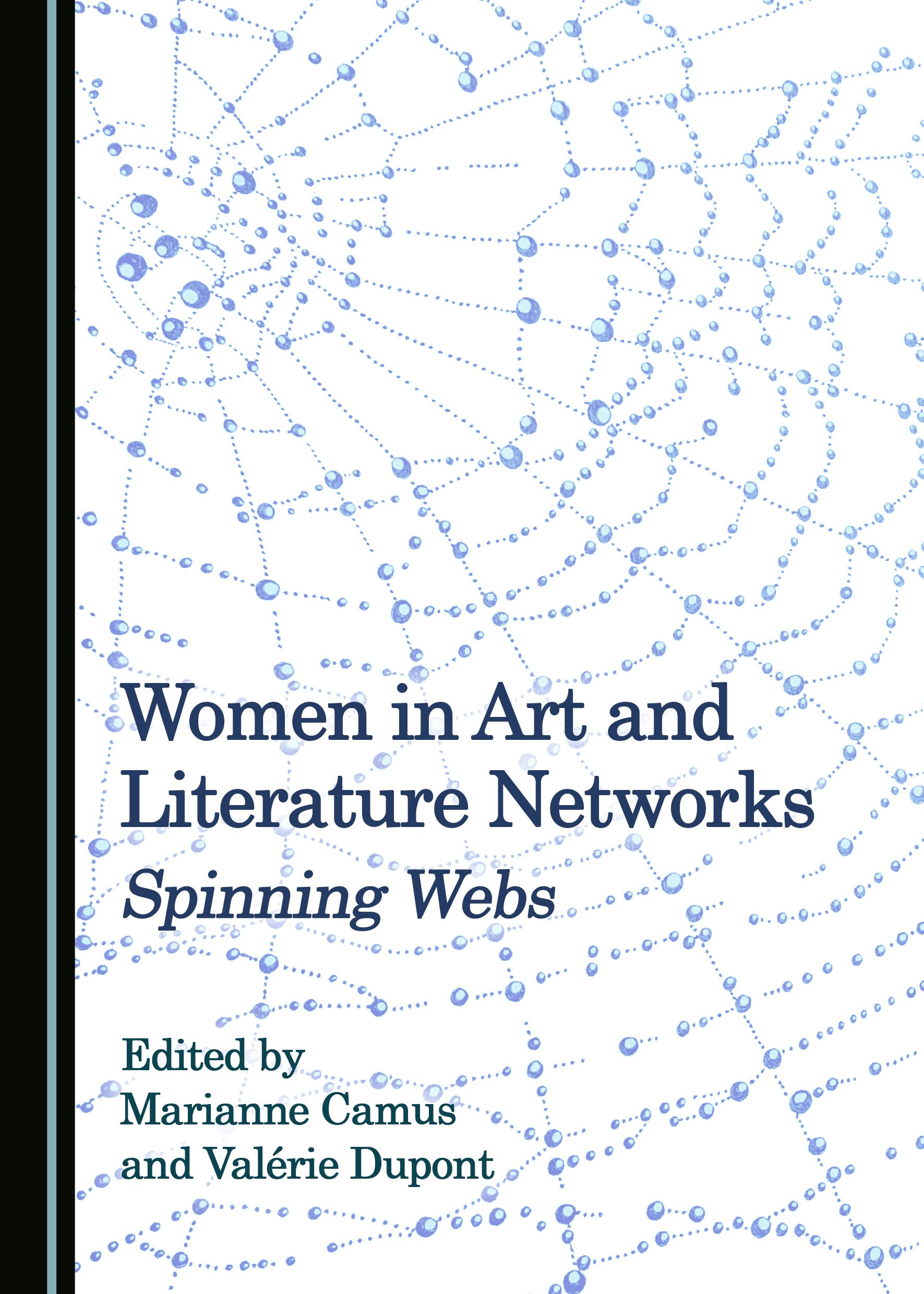
This book examines the place of women in art and literature from the 19th century to the present day, whether as artists, critics or collectors. It centers on the concept of the network, as a possible point of entry for women into cultural circles long seen as male territories. Within the framework of feminist history and gender studies, the book looks at the careers of salonnières, gallery owners, editors and all types of artists, in Europe and in the USA. They may be famous (Carolee Schneemann) or less so (Yvonne Serruys), they may or may not have been openly feminist, but they have all used networking as a strategy to defend their artistic choices or their vision of the world, as well as to help and support one another.
Essays by clinicians, parents, and de-transitioners demonstrate how ‘transgender children’ are invented in medical, social, and political contexts. The authors reveal the harms of transgender ideology and show how adults can intervene to protect young people.