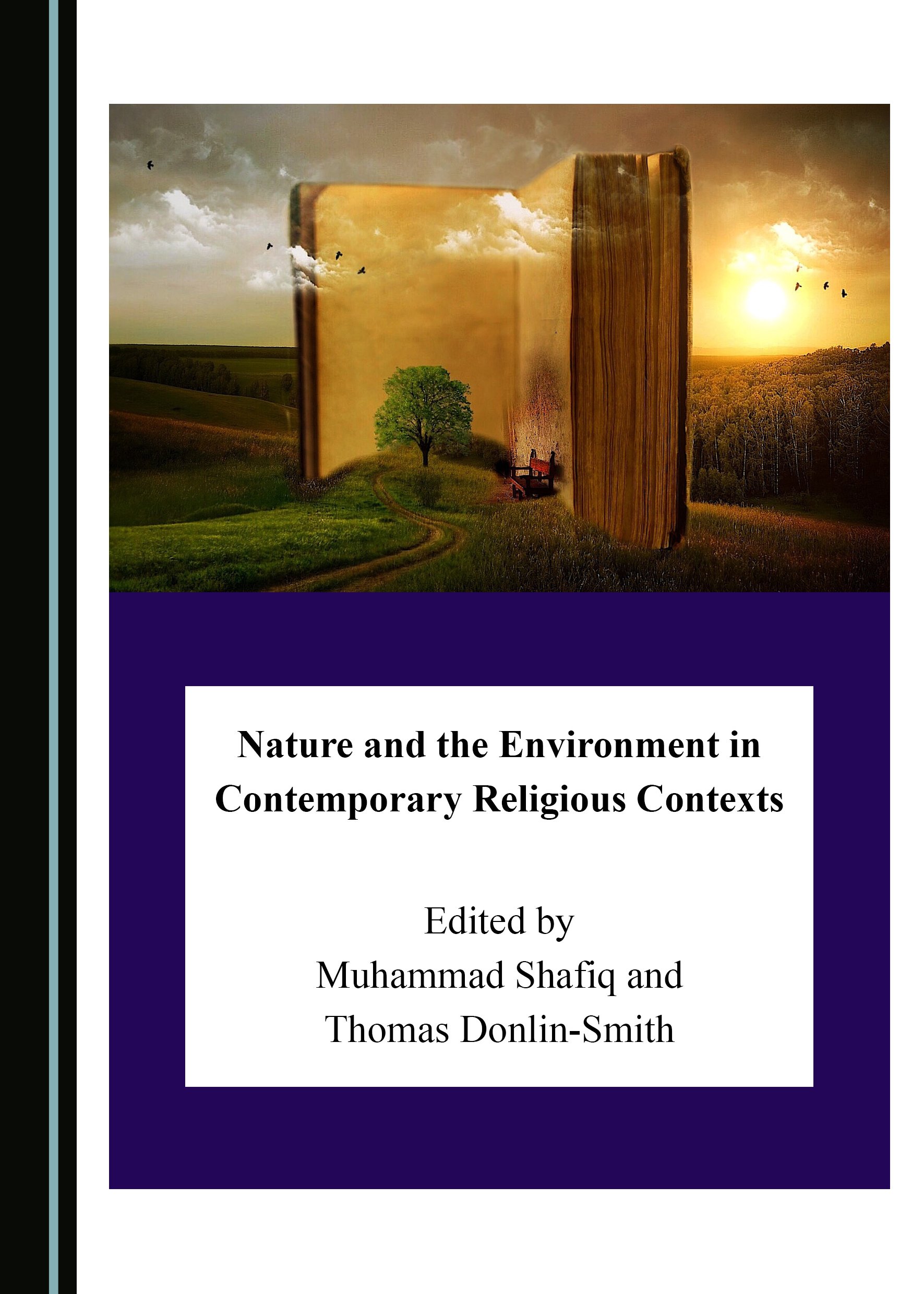
This collection of essays discusses the human relationship with, and responsibilities toward, the natural environment from the perspective of religions and the social sciences. The chapters examine a variety of conditions that have contributed to the contemporary environmental crisis, including abuse of power, economic greed, industrialization, deforestation, and unplanned waste management. They then discuss concepts from several different religious texts and traditions that promote environmental protection as a sacred moral duty for all humanity. Religious concepts such as dharma (duty toward Mother Earth), tikkun Olam (repair of the world), khalifa (people as deputies of God on earth), amanah (the universe as a trust in human hands), and paticca samuppada (dependent co-arising) are employed to argue that all the components of the biosphere are integral to the cosmos, each piece with its own value and role in the harmony of the whole. The book makes it clear that religions can become more “green” and play a helpful role in raising our ecological consciousness and supporting preservation of the environment into the future.