• 0 Items - £0.00
    • No products in the cart.

£64.99

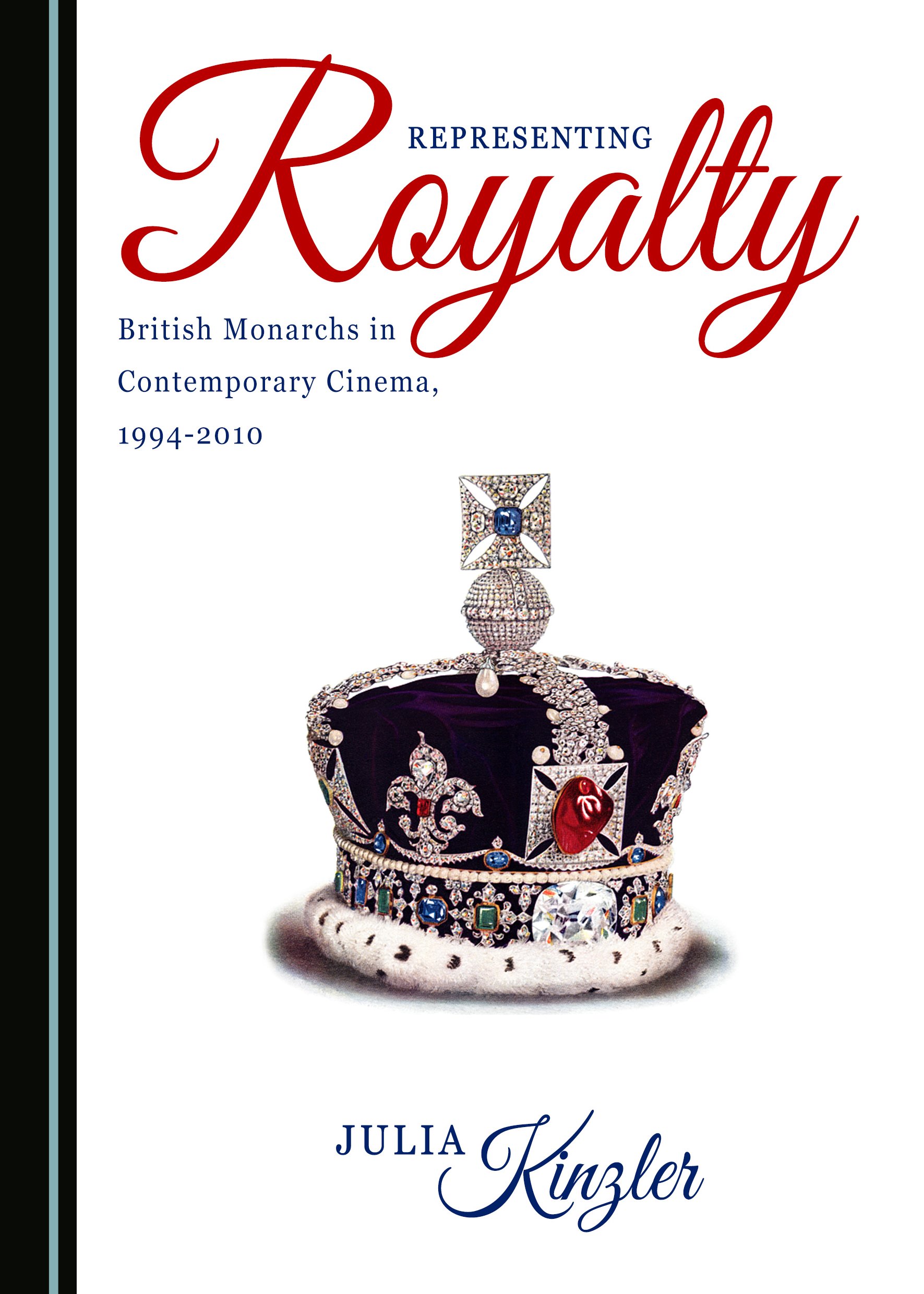
Representing Royalty

British Monarchs in Contemporary Cinema, 1994-2010
By: Julia Kinzler

£64.99

Since the early days of cinema, filmmakers have been intrigued by the lives and loves of British monarchs. Kinzler examines strategies of representing power and the staging of myths of power in seven popular films about this subject that were made after the mid-1990s.

Since the early days of cinema, filmmakers have been intrigued by the lives and loves of British monarchs. The most recent productions by ITV and…
£64.99
£64.99
1-5275-1105-7 , , , ,
Share

Since the early days of cinema, filmmakers have been intrigued by the lives and loves of British monarchs. The most recent productions by ITV and Netflix show that the fascination with British royalty continues unabated both in Britain and around the world.

This book examines strategies of representing power and the staging of myths of power in seven popular films about British monarchs that were made after the mid-1990s revival of the “royal biopic” genre. By combining approaches from cultural studies with concepts and theories from the humanities, such as film studies and art history, it offers a comprehensive understanding of the cinematic portraits of royalty. In addition, the volume opens up new perspectives on how meaning is generated in films about the monarchy and on the connections between the biographical narratives. The introductory chapter to the case studies reviews the different academic positions on representations of royalty, provides a toolkit for studying the subject and demonstrates ways to approach the films. The book addresses questions of historical context and goes beyond a mere exploration of historical accuracy to reveal the films’ underlying ideological aims.

As such, it makes a distinctive new contribution to the growing body of interdisciplinary work on the British monarchy in general and its cinematic representations in particular. It is the first monograph about representational mechanisms of royal identities and British past(s) in royal films such as Elizabeth, The Queen and The King’s Speech.

Julia Kinzler holds a PhD in English Studies from Friedrich-Alexander-Universität Erlangen-Nürnberg (FAU), Germany. Her doctoral thesis discussed strategies of representing power and the staging of myths of power in cinematic portraits of royalty. In addition to teaching British Cultural Studies at the English Department of FAU, she has published articles and presented papers about monarchy on film, Shakespeare on screen and Victorian discourses on gender and sexuality. Her other research interests include heritage cinema, gender studies, and intermediality and adaptation studies.

Hardback

  • ISBN: 1-5275-1105-7
  • ISBN13: 978-1-5275-1105-7
  • Date of Publication: 2018-06-19

Ebook

  • ISBN: 1-5275-1496-X
  • ISBN13: 978-1-5275-1496-6
  • Date of Publication: 2018-06-19

Subject Codes:

  • BIC: APFN, BGR, JFCA
  • BISAC: PER004030, PER004120, PER004060, PER004000, PER004040, HIS015000
  • THEMA: ATFN, DNBR, JBCC1
347
  • "Analysing seven well-known films ranging from The Madness of King George (1994) to The King's Speech (2010), Julia B. Kinzler's monograph presents an innovative and up-to-date account of the revival of the royal biopic in contemporary British cinema. Kinzler convincingly scrutinises the manifold ideological tensions of this genre. Her case studies dissect from a historically informed perspective the national myths surrounding iconic royals like Elizabeth I, Queen Victoria and Elizabeth II. Her sophisticated theoretical framework brings together recent impulses from the fields of masculinity and (dis)ability studies with established concepts from Lacanian psychoanalysis, semiotics and Foucauldian discourse theory. Kinzler's book demonstrates the critical potential that interdisciplinary approaches offer for film analysis. Proposing that the royal biopic constructs national identity by individualising and humanising British history, Representing Royalty not only deconstructs the stories that these films tell, but equally considers their cinematic language. All in all this book provides a highly informative and compelling study that will be relevant to anyone interested in film, popular historiography and cultural/media studies or theory."
    - Professor Doris Feldmann Friedrich-Alexander-Universität Erlangen-Nürnberg

Meet The Author