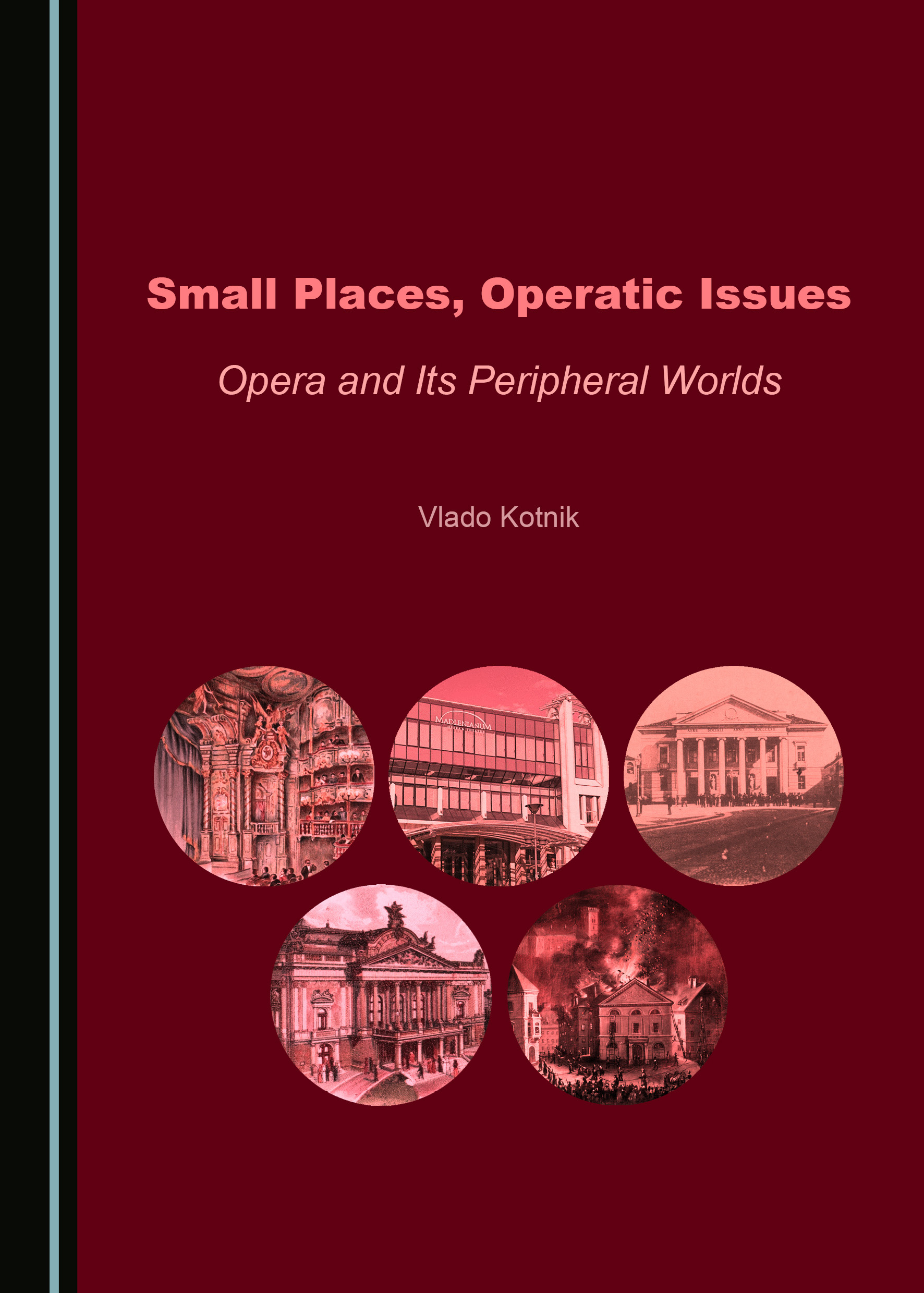
This book details original case studies that represent five different social positions or characterisations of opera: namely, opera as social showcase from Bayreuth (1748), social distinction from Ljubljana (1887), social conflict from Brno (1920), social status from Mantua (1999) and social manifest from Belgrade (2005). These positions, which indicate opera’s social diversity in local, regional, provincial, and peripheral terms, as well as its social mutuality in international, transnational, global, or metropolitan terms, generally promote the idea of opera as a social venue, cultural practice, theatrical scene, lyrical site, musical place, artistic experience, or transgenerational phenomenon through which people not only produce and consume the art of music, theatre, and spectacle, but also show off their lifestyle as well as economic, social, cultural and symbolic determination, identification, and structuration. The selected case studies of peripheral opera worlds are different in terms of the chosen places, times, and problems they tackle, but they all have something meaningful in common. They convincingly address the idea that opera peripheries produce compellingly powerful meanings and messages of their different social worlds. Through its analysis, this book creates a fruitful interpretative encounter of the academic domains of opera studies, historical sociology, cultural sociology and social and cultural anthropology.