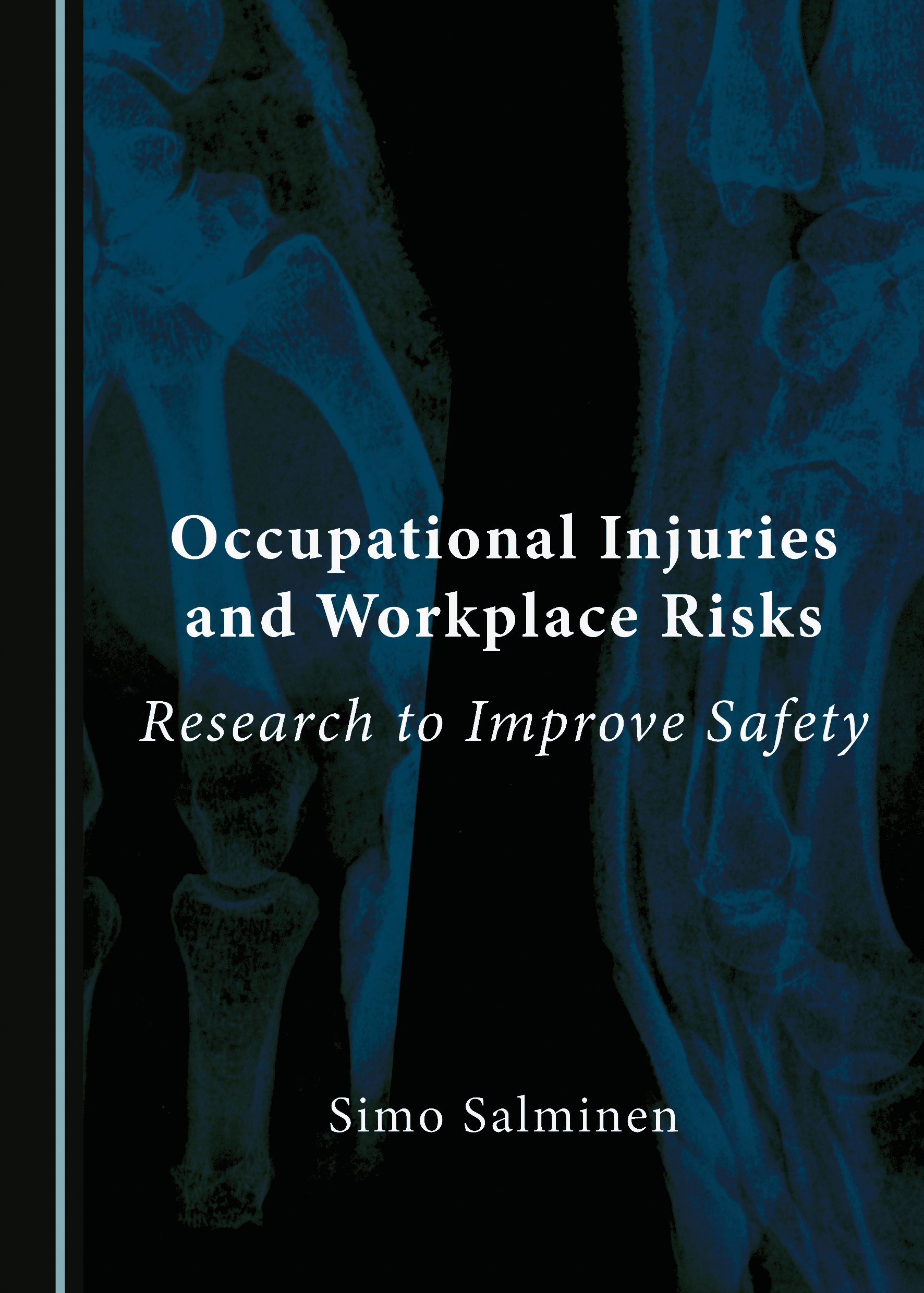
The International Labour Organization (ILO) estimates that, worldwide, there are around 340 million occupational accidents annually. Moreover, the underreporting of occupational accidents, injuries and fatalities is giving a false picture of the real scope of the problem. In addition to human suffering, occupational injuries are a serious public-health problem and cause considerable economic losses.
This book describes how employees’ individual properties, such as gender, age, and health status affect their vulnerability to suffering occupational injuries. It explores the effects of different ways of organising work, such as precarious work and shift work, on risk rates. Further, it looks at the risk sources encountered by workers in a number of industrial environments, such as transportation, construction sites, manufacturing plants, forestry, fishing, and mines. It also touches on more recent trends in this sector, such as migration and climate change.
This book opens the door to understanding the principles of combustion calculations. It integrates combustion with the open-source software Cantera, serving as an invaluable primer. This hands-on guide offers step-by-step examples for students, engineers, and researchers.