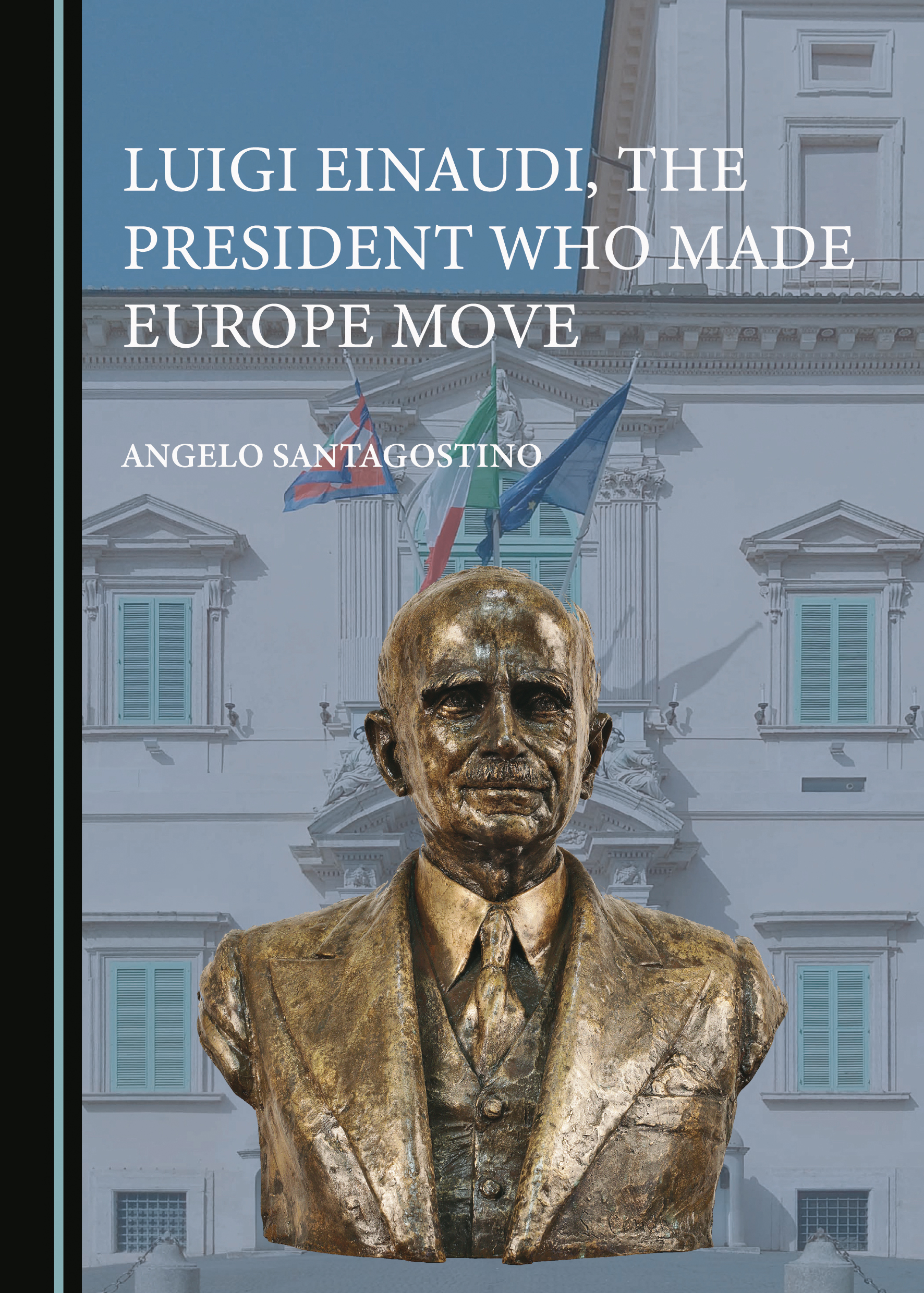
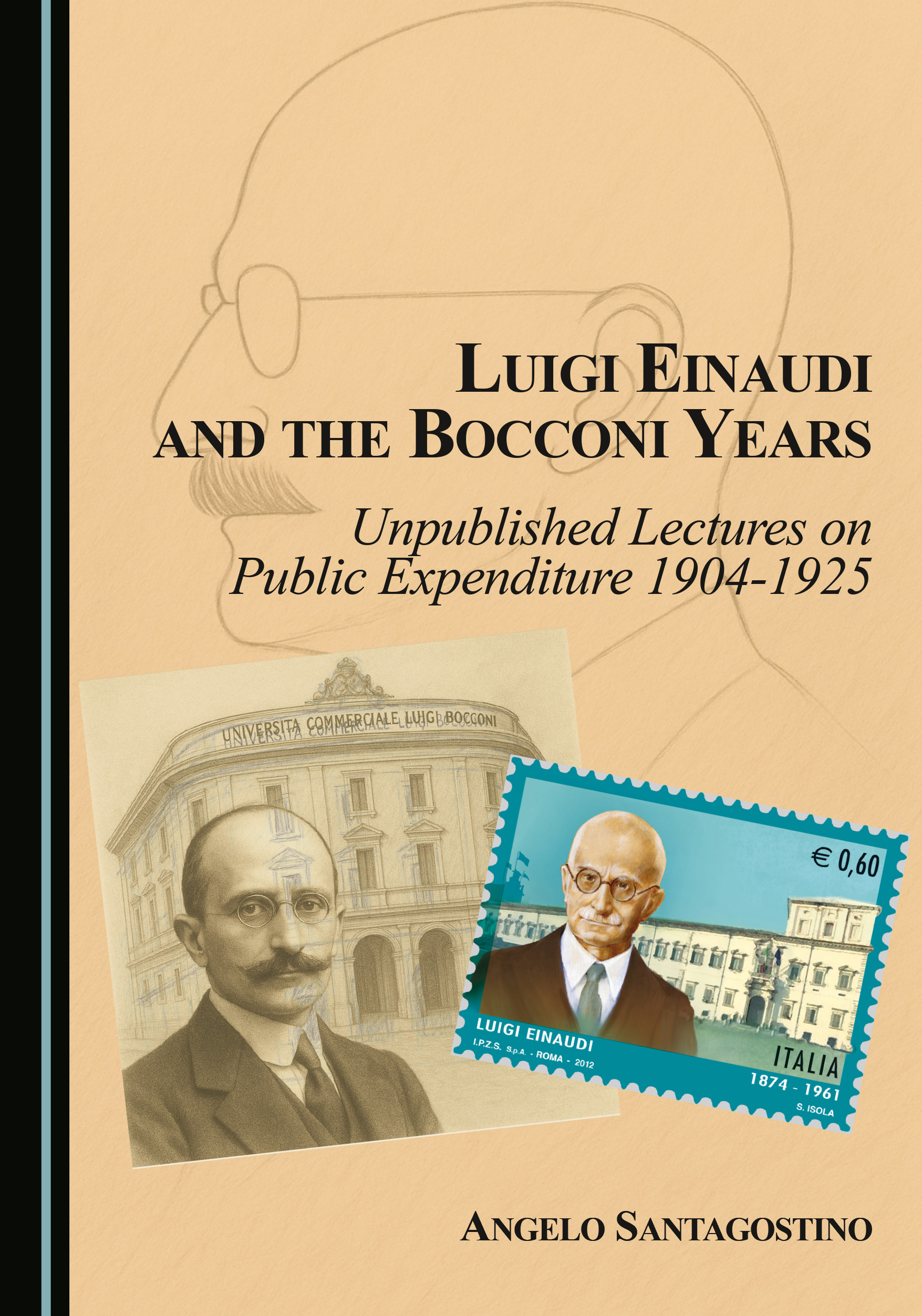
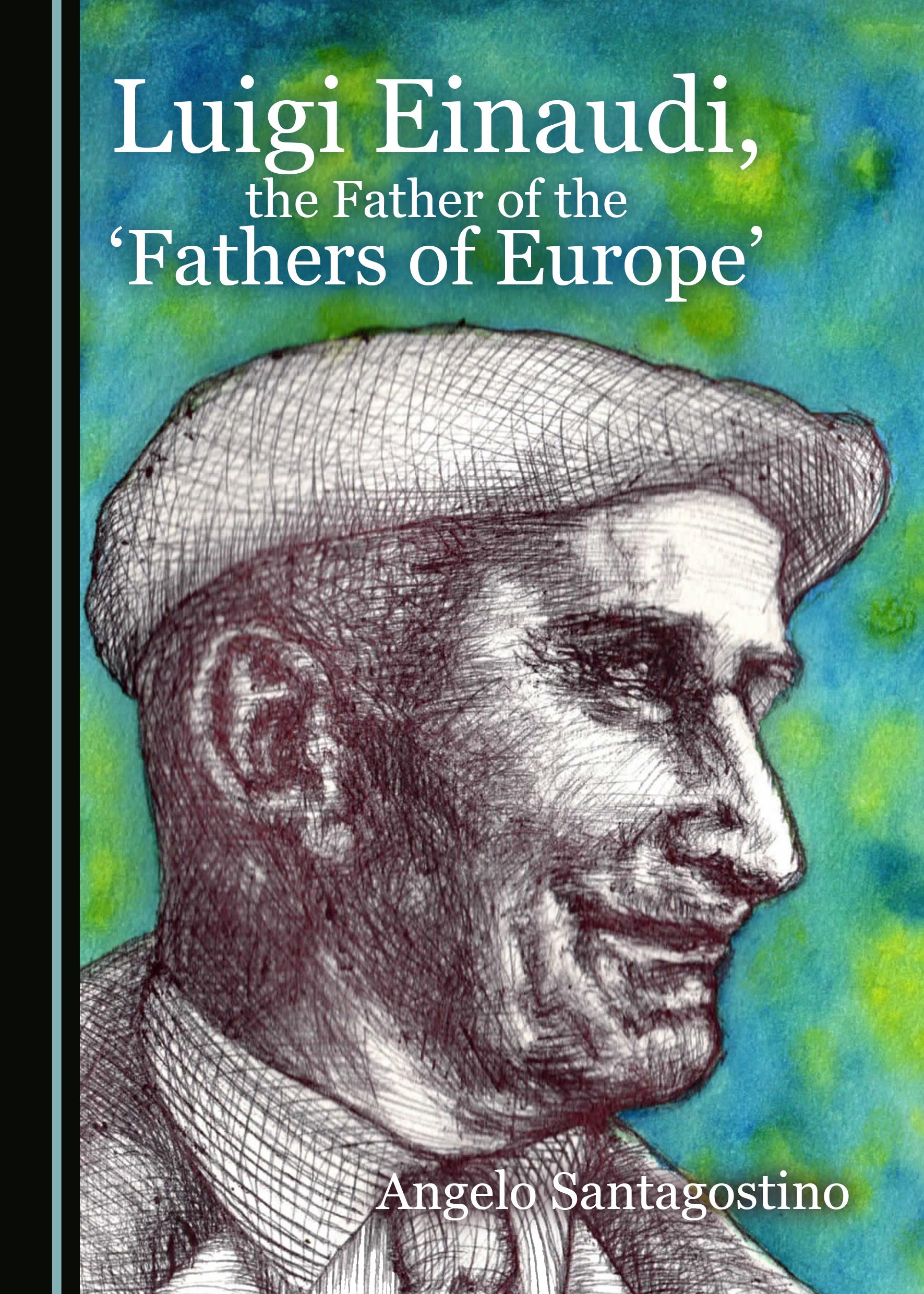
This is a selective and innovative biography of Luigi Einaudi, the most outstanding scientific and political Italian personality of the first sixty decades of the 20th century. This biography highlights some lesser-known and largely unrecognized, original contributions to theories and policies that were developed and applied even many years after his death. His European writings span more than sixty-two years (1987-1959), and his proposals for a European federation have inspired 30% of the articles of the Treaty on the functioning of the EU. As a thinker, he inspired Jean Monnet, and as President of Italy, he influenced, discretely but substantially, the Italian government’s stance on the European Coal and Steel Community Treaty. Today’s “forward guidance” of the European Central Bank (ECB) is quite similar to the way he enforced his monetary policy action in 1947, after becoming governor of the Bank of Italy in 1945. Even the “unconventional” monetary policy of the ECB has clear Einaudian bases. He posited the bases of the so-called “social market economy”, as well as the ‘time inconsistency’ theory and the section of migration theory that placed emphasis on pull factors.