View more
This product has multiple variants. The options may be chosen on the product page
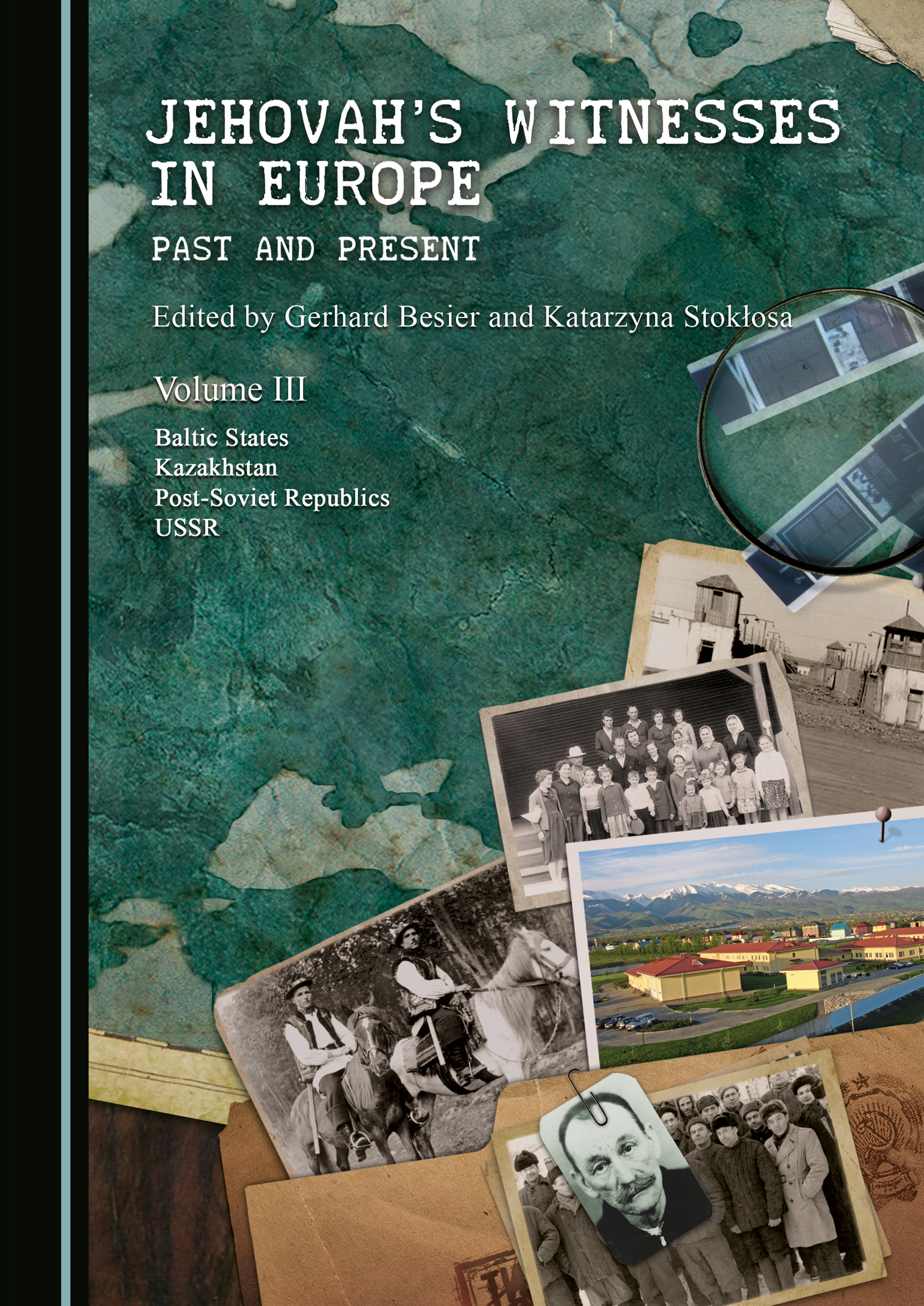
Jehovah’s Witnesses in Europe
Past and Present Volume III
This history documents the persecution of Jehovah’s Witnesses in Eastern Europe. It compares their survival under different political systems, from dictatorships to modern Russia, where a renewed ban has returned Soviet-era conditions of repression.
View more
This product has multiple variants. The options may be chosen on the product page