This volume brings together two authors, one a psychiatrist, one a philosopher, to listen to one another’s reading of five stories of what it’s like to bear a different mental or physical illness. The beginning story, or anchor, for the conversation that unfolds between them is that of a person subject to recurring spells of catatonia, the uncanniest of human conditions. They discover that truly understanding what an illness is calls for understanding it within the context of who suffers it, that to understand illness is to establish the right relation between what is being suffered and who is suffering it. This deceptively simple way of talking, which is labelled who/what talk, will prove more practical and more clarifying than will terms like “mental” and “physical.” Furthermore, it has this additional dividend: it intrinsically resists a temptation toward medical prejudice—the inclination for doctors and other caregivers to lose the who of the sufferer through their focus on the what of her illness.
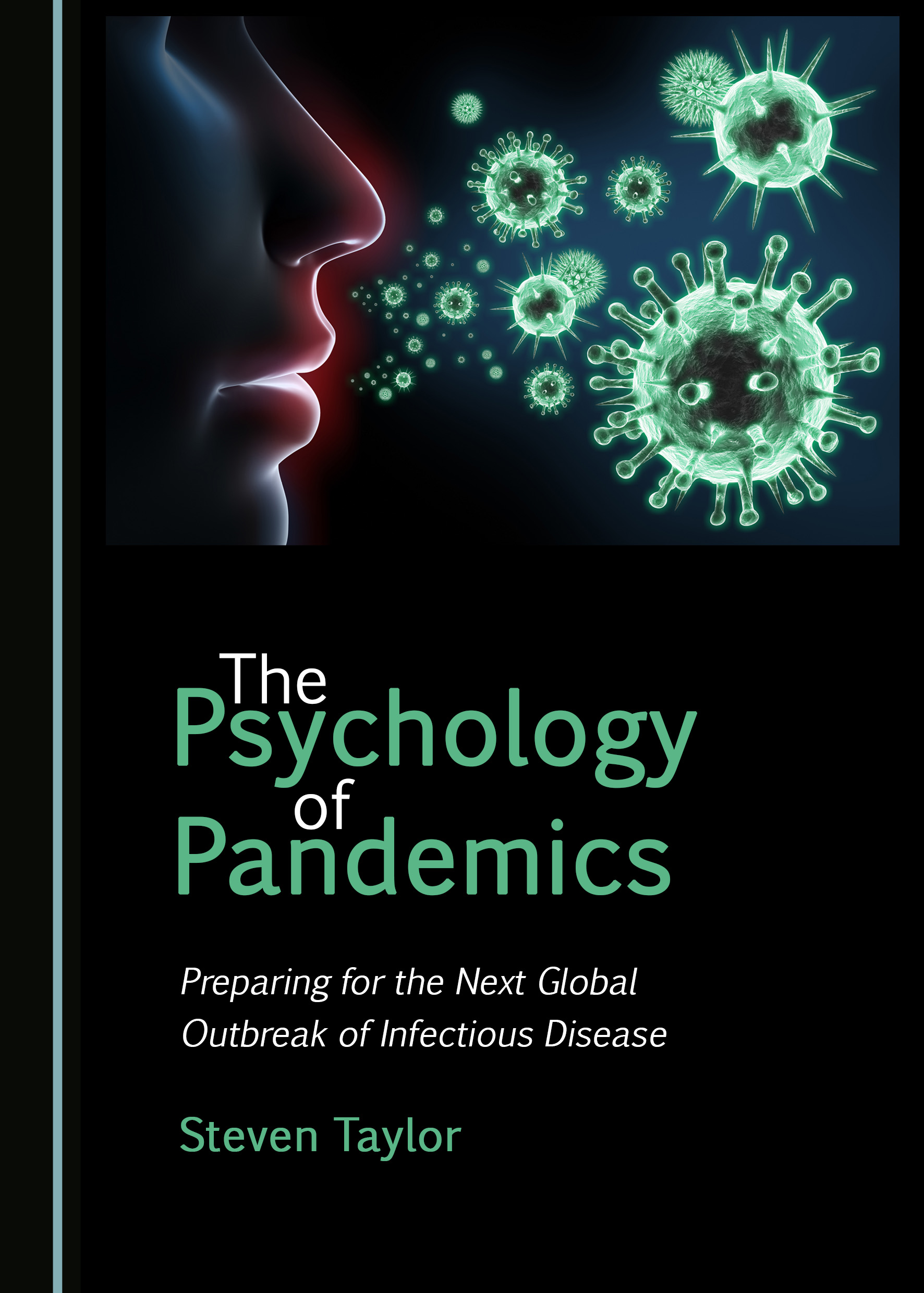
The Psychology of Pandemics
While virologists predict the next pandemic, little attention has been paid to the psychological factors that influence the spread of infection, emotional distress, and social disruption. This book is the first comprehensive analysis of the psychology of pandemics.