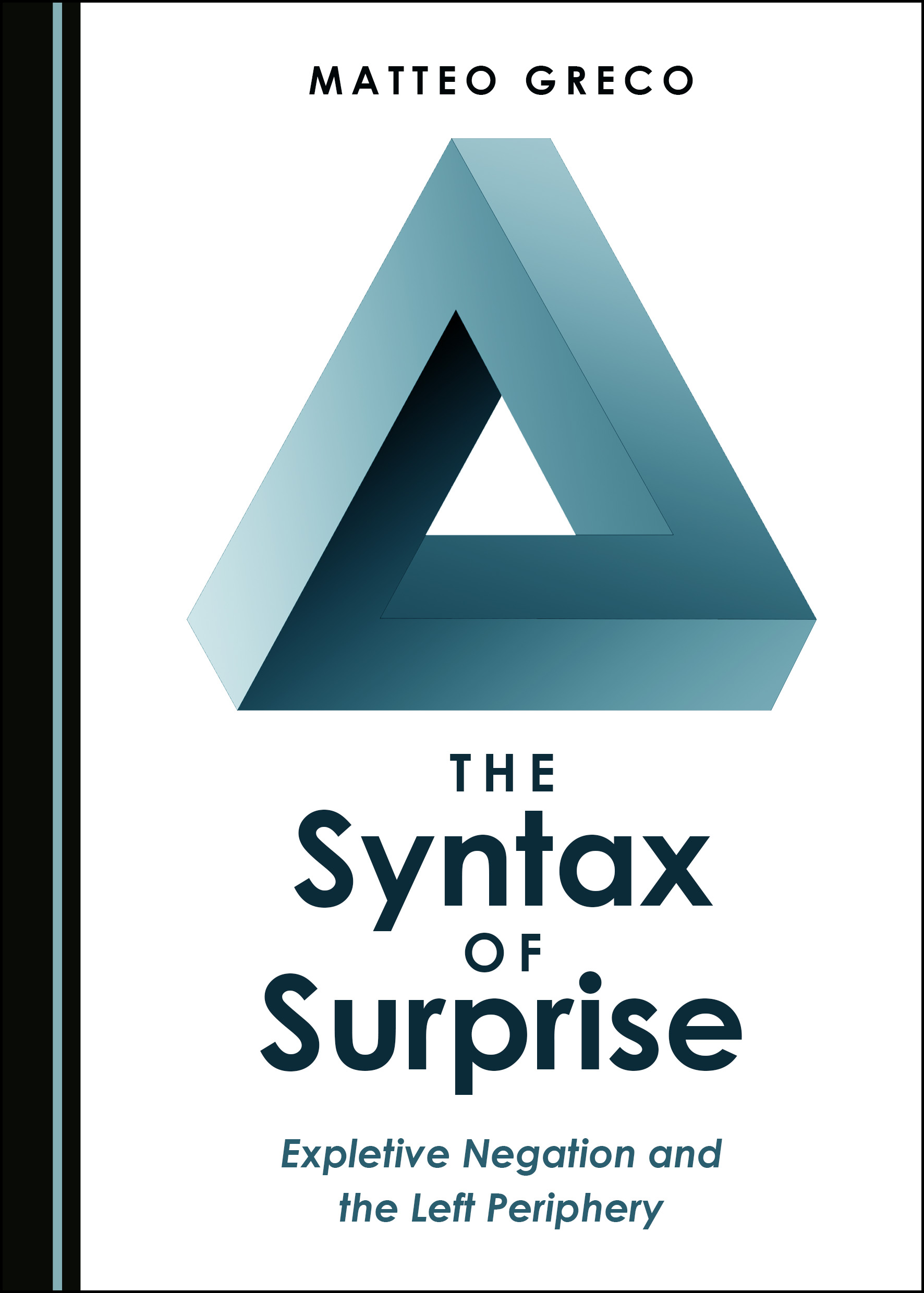
Negation is a universal syntactic phenomenon only employed in human languages. People use negative sentences in everyday conversations, and they display complex semantic and syntactic properties when doing so. Crucially, some languages employ negative sentences to assert affirmative and surprise propositions. A clear example of this is offered by Italian, as in: ‘E non (not) mi è scesa dal treno Maria?!’ (‘Maria got off the train!’). This special type of negation is called surprise negation, and it belongs to the class of expletive negation. This book sheds light on this puzzling phenomenon, by means of a theoretical analysis and an experimental study. It explores the contexts, mainly syntactic, in which negation receives its expletive interpretation, and considers whether expletive negation is grammatically distinct from standard negation.
Perspectives on Discourse Analysis
This guide provides the theoretical knowledge and empirical tools for Discourse Analysis. Conceived as a university course, it is useful for anyone who wants to acquire the skills to analyze any type of discourse, from medical to computer-mediated.