The book examines original information on the honey bee’s adaptation to a wide range of environmental factors, which have enabled it to adapt to life on all continents inhabited by humans. It shows that the origin of the bee colony is associated with its transformation into an integral biological unit, subjected to the action of natural selection, and explains the contradiction between the eurythermia of the bee colony and the stochasticity of a single member of it. Adaptations to long wintering, which are based primarily on the ethological response to cooling, are also considered, as are specific acoustic and electrical signals used in the spatial orientation and communication of bees. The book will appeal to a wide range of readers interested in the studying of the ethology and physiology of animals.
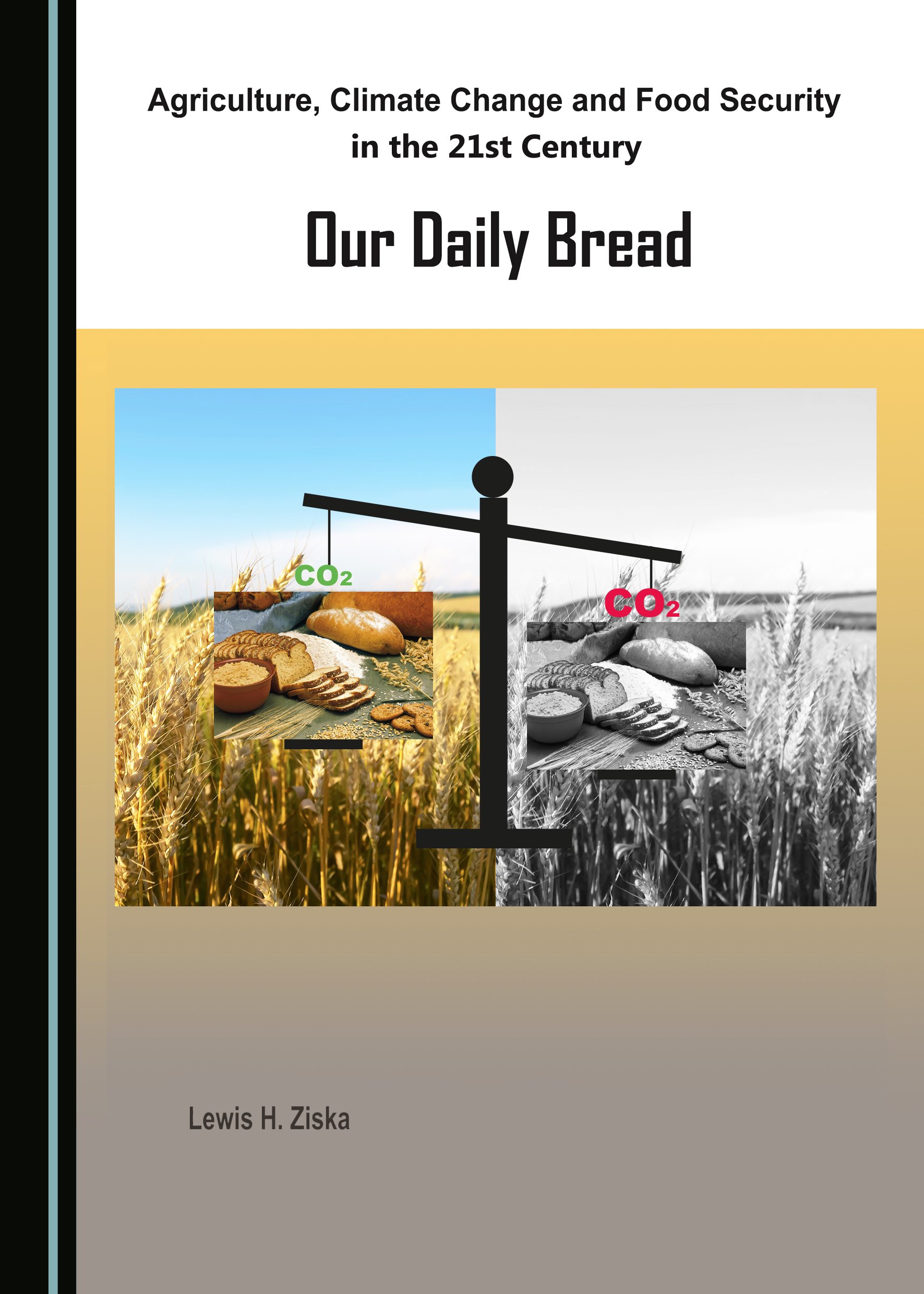
Man-made climate change poses a new crisis: how do we feed 10 billion people in a climate hostile to food security? This book explores the threat to our “daily bread” and argues that we are not without hope, offering solutions that can lead to a better future for humankind.