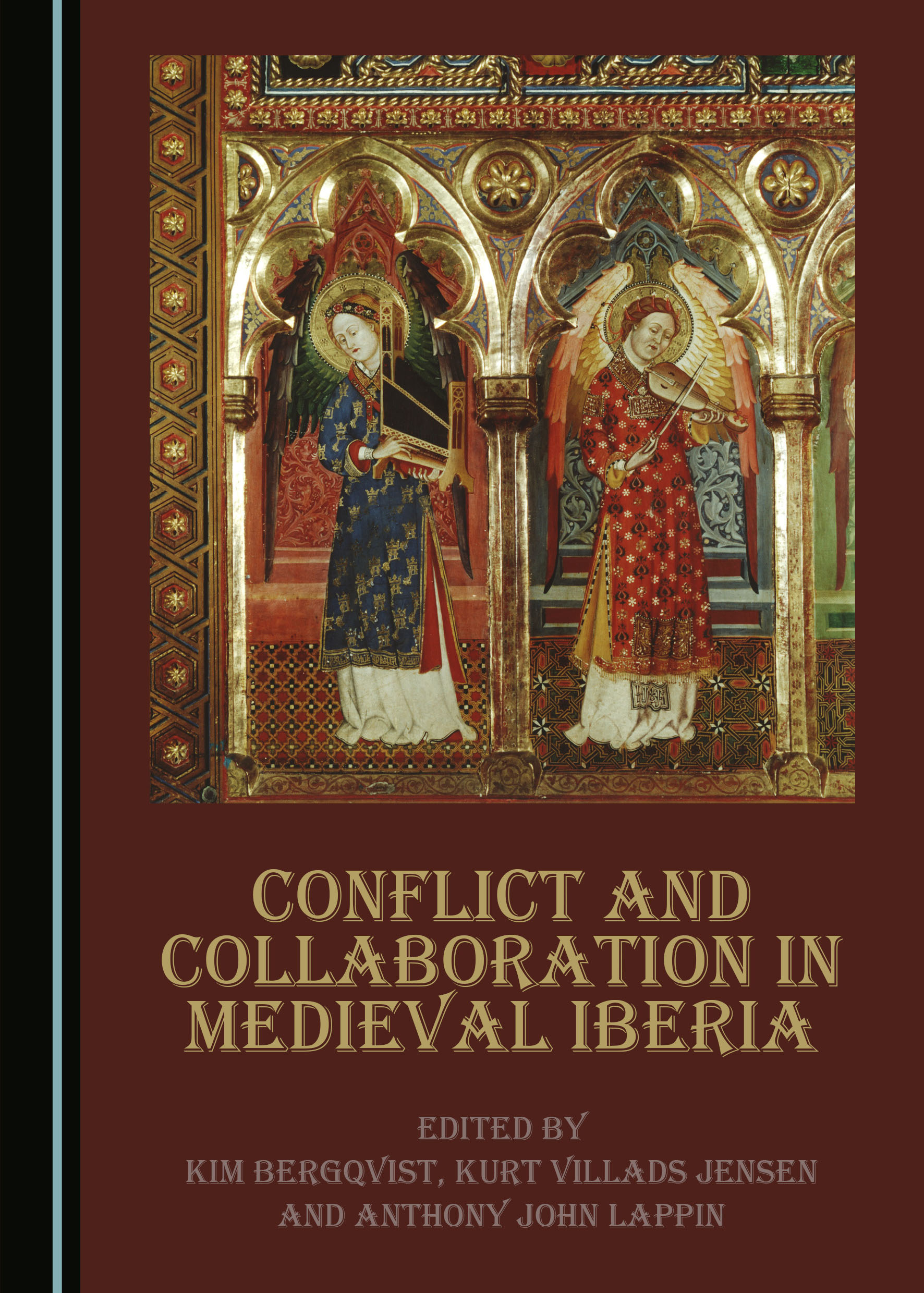
Studies of conflict in medieval history and related disciplines have recently come to focus on wars, feuds, rebellions, and other violent matters. While those issues are present here, to form a backdrop, this volume brings other forms of conflict in this period to the fore. With these assembled essays on conflict and collaboration in the Iberian Peninsula, it provides an insight into key aspects of the historical experience of the Iberian kingdoms during the Middle Ages. Ranging in focus from the fall of the Visigothic kingdom and the arrival of significant numbers of Berber settlers to the functioning of the Spanish Inquisition right at the end of the Middle Ages, the articles gathered here look both at cross-ethnic and interreligious meetings in hostility or fruitful cohabitation. The book does not, however, forget intra-communal relations, and consideration is given to the mechanisms within religious and ethnic groupings by which conflict was channeled and, occasionally, collaboration could ensue.
After the Postsecular and the Postmodern
A vanguard of scholars asks what comes after the postsecular and postmodern in Continental philosophy of religion. This volume argues philosophy must liberate itself from theological norms and mutate into a new speculative practice to confront the challenges of our time.