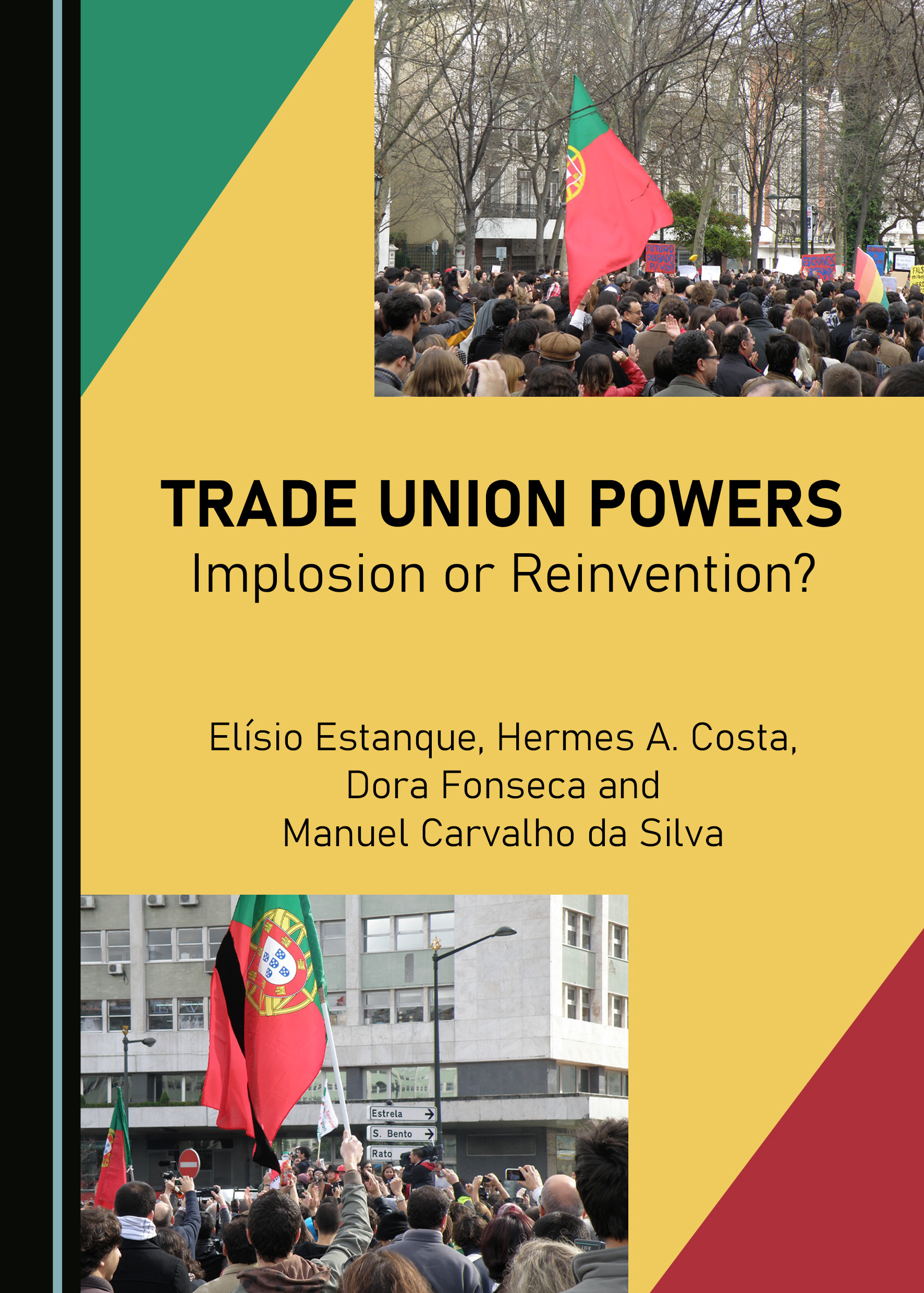
This book analyses trade unions’ capacities of resistance following the period of austerity and “bailout crisis” in Portugal (2011-2015). Considering the destructive impacts of those policies on the working class and their unions, it explores three case studies in three productive sectors: the metal sector (Autoeuropa/VW); the telecommunications sector (PT-Telecom/Altice); and the transport sector (TAP – Air Portugal). In order to gather empirical information, the study uses qualitative methods, such as in-depth interviews and focus groups. The book shows that social dumping, brutal unemployment growth, increasing poverty levels, spreading precariousness, wage cuts and labour rights suppression were some of the consequences of this period on the working class and trade unions. Drawing on the “power resources” theoretical approach, it shows how trade unions were able to react and “reinvent” themselves in terms of certain forms of power, while others “imploded” or were relegated to a marginal role.
How American Politics Works
American politics is a paradox of cynicism and adulation. This book explains the system’s complex inner workings through the “four Ps”: Philosophy, Pragmatism, Personality, and Profit—the constant clash between high ideals and self-interest.