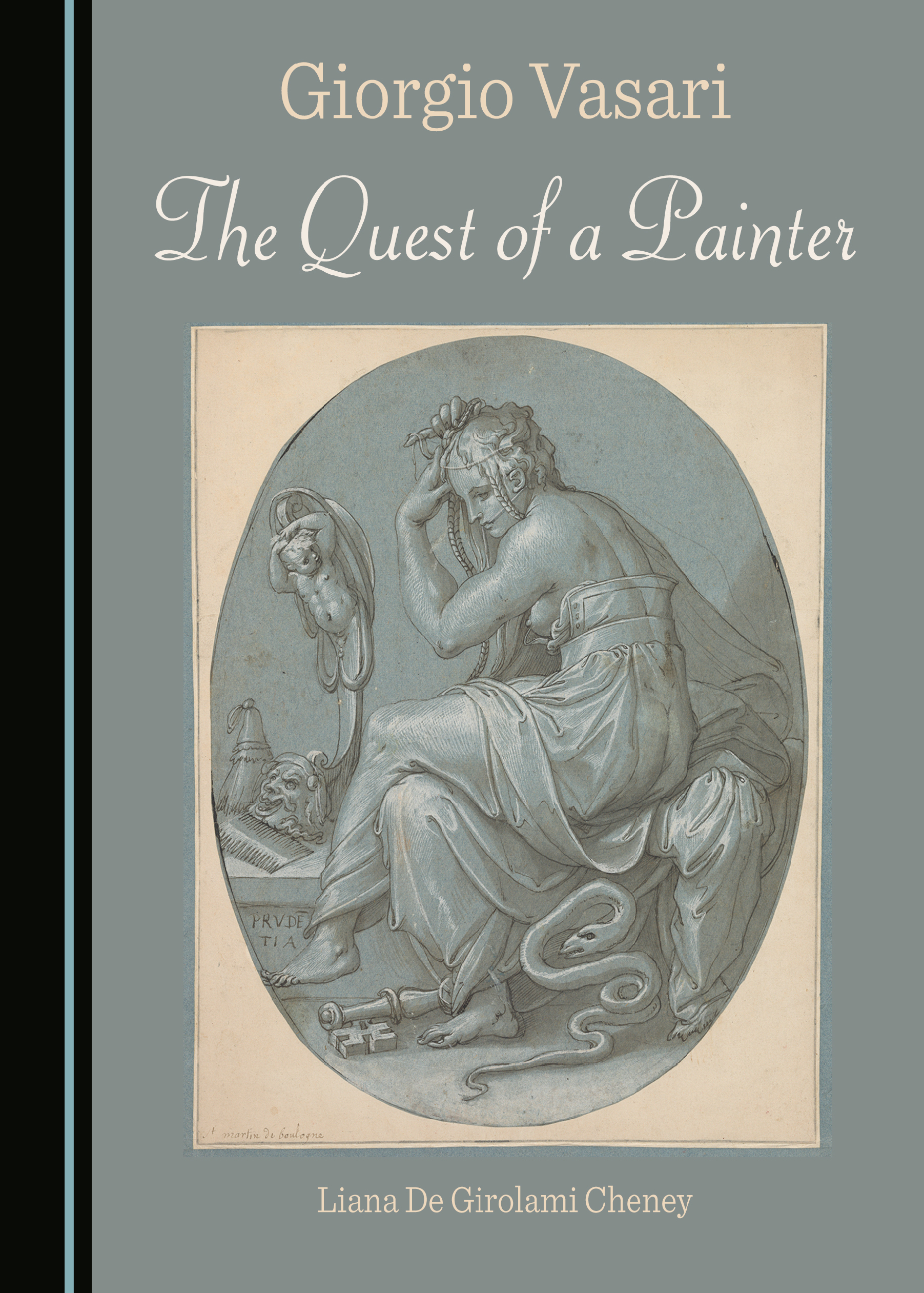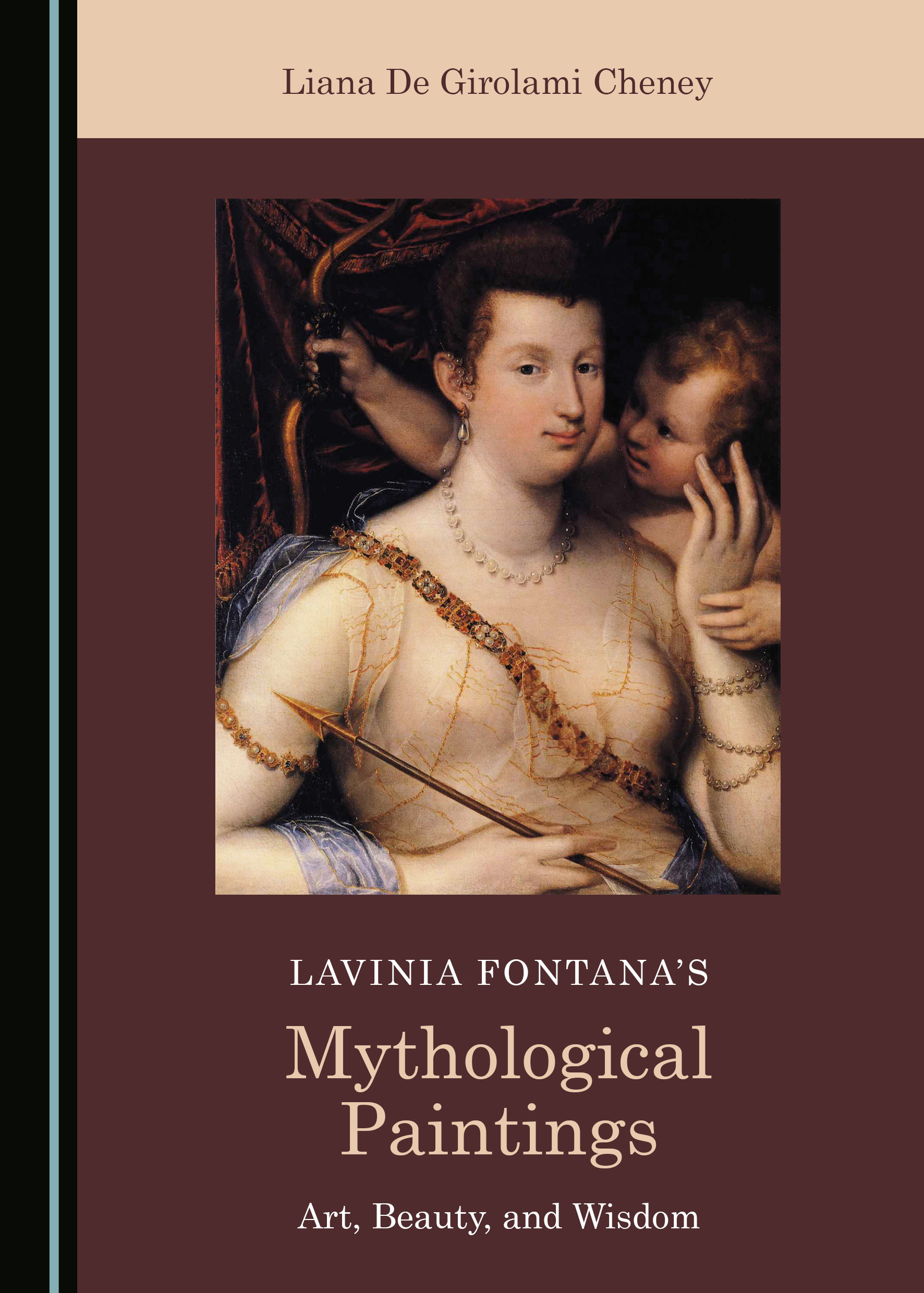
This volume investigates emblematic and art-historical issues in Lavinia Fontana’s mythological paintings. Fontana is the first female painter of the sixteenth century in Italy to depict female nudes, as well as mythological and emblematic paintings associated with concepts of beauty and wisdom. Her paintings reveal an appropriation of the antique, a fusion between patronage and culture, and a humanistic pursuit of Mannerist conceits. Fontana’s secular imagery provides a challenging paragone with the male tradition of history painting during the sixteenth century and paves the way for new subjects to be depicted and interpreted by female painters of the seventeenth century.
This pioneering book introduces the “feminine,” a dimension of film not reducible to women’s experience. Exploring this Jungian concept through movies spanning seven decades, it enhances the appreciation of film as a depth psychological medium.