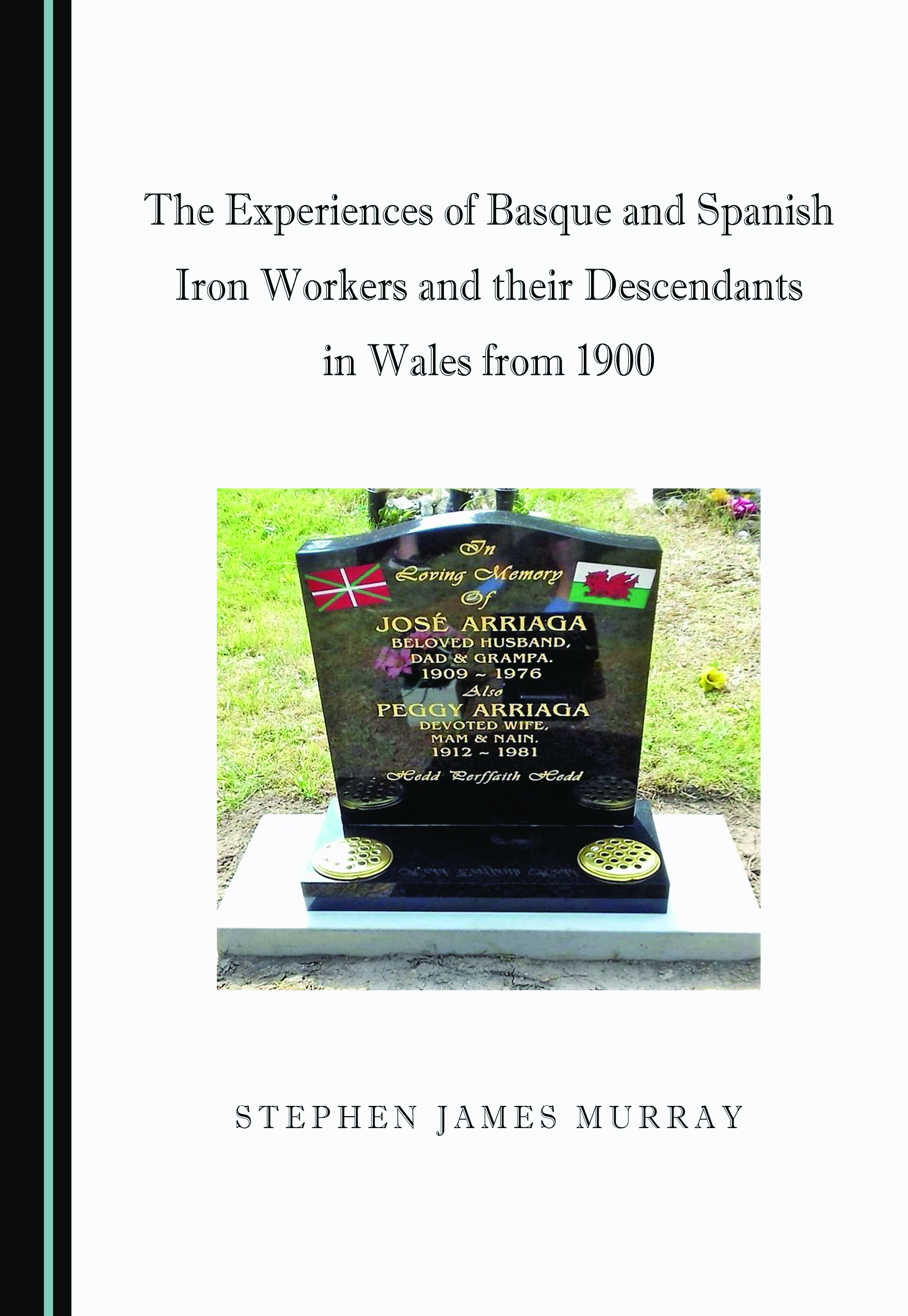
This work is concerned with human migration at the turn of the twentieth century, specifically with iron workers moving from Spain to south Wales. The research includes an oral history project involving the descendants of some of the original migrants. The book explores the events and challenges that the migrants and their families faced in their new Welsh homes. Those experiences include periods of conflict, such as the Spanish Civil War (in which family members were involved), poverty, disease, heartache and the challenge to their religious and political beliefs. The work also highlights how it was that many of the Spanish overcame hurdles to fully integrate into their new location by learning a new language, a new sport (rugby), choir membership and a new church. It also describes the environment, in which they lived, as a cosmopolitan location where they were exposed, at intervals, to industrial conflict and racism, but where they all eventually became Welsh.
Jehovah’s Witnesses in Europe
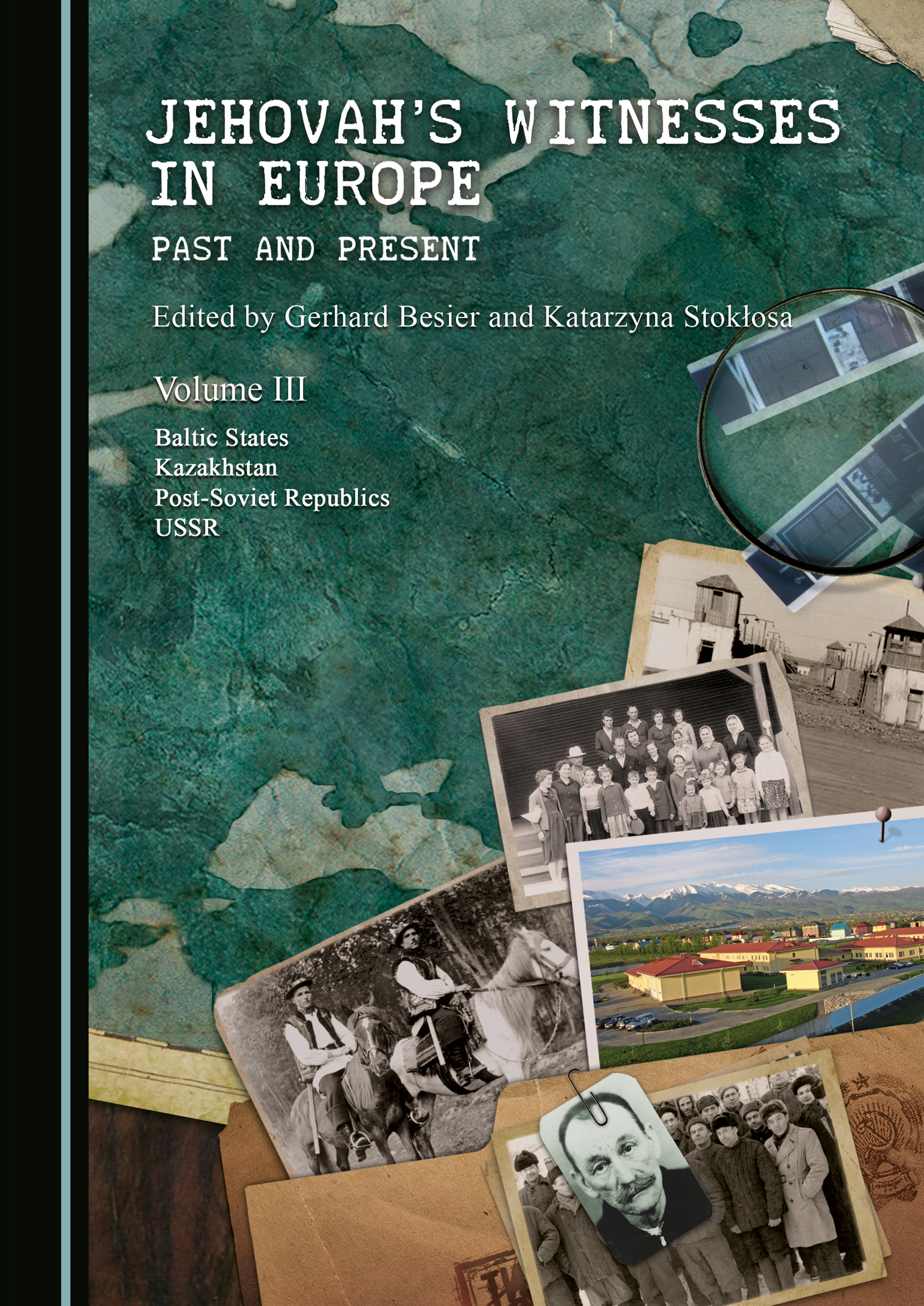
This history documents the persecution of Jehovah’s Witnesses in Eastern Europe. It compares their survival under different political systems, from dictatorships to modern Russia, where a renewed ban has returned Soviet-era conditions of repression.