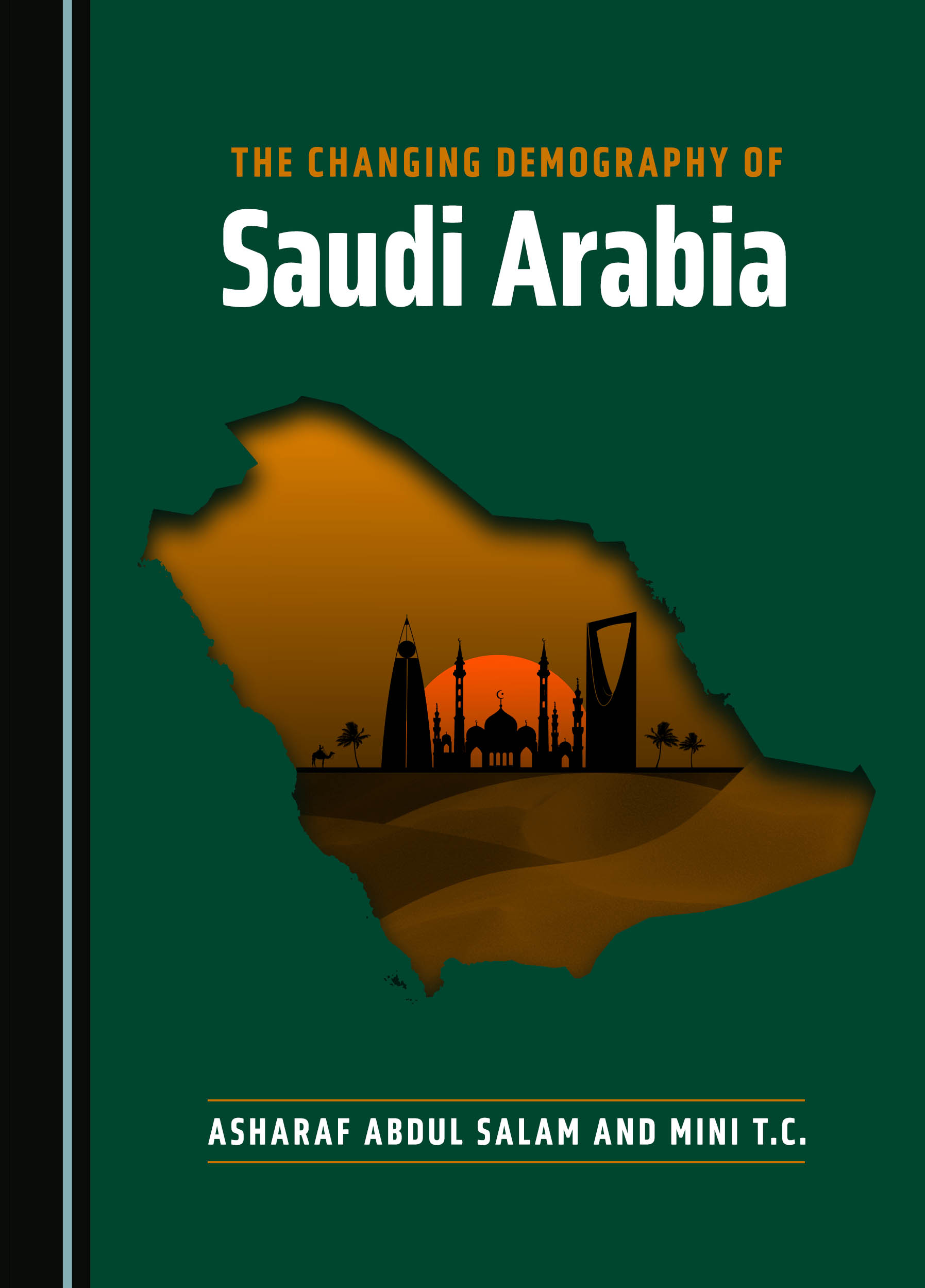

Saudi Arabia has a long history, in which demographic progress has been marked as resulting from multidimensional and multisectorial development, enabling a high quality of life, rather than coerced family planning or control. Efforts to build a competitive economy and living standards highlighted the need for infrastructure to maintain low levels of morbidity and mortality, and an absence of population pressure combined with socio-religious traditions, customs, and practices favoring a pronatalist perspective dictating the fertility preferences of the Kingdom’s people. This book, an empirical and analytical demonstration of resource-intensive Saudi Arabian demography, traces the journey from an agrarian to a modern society. It explores the demographic, socio-economic, developmental, epidemiologic, and health aspects of this transition.
Essays by clinicians, parents, and de-transitioners demonstrate how ‘transgender children’ are invented in medical, social, and political contexts. The authors reveal the harms of transgender ideology and show how adults can intervene to protect young people.