The twin-island state of São Tomé and Príncipe, located in the Gulf of Guinea, is the second smallest African country, after the Seychelles. The essays of this collection highlight crucial periods and important events in the country’s varied and eventful history, which spans more than 500 years. Portugal colonised the islands twice in significantly different economic and historical contexts: first, in the sixteenth century during its maritime expansion, and secondly in the latter half of the nineteenth century, at the beginning of the colonisation of Africa by European powers. In these two periods, the small islands played a pioneering role in the economic history of sugar and cocoa, respectively. Following independence in 1975, the country’s economic development has fallen far short of expectations and consequently its dependence on foreign aid has persisted. Nevertheless, external observers have considered the archipelago of 225,000 inhabitants to be a model of parliamentary democracy in Africa.
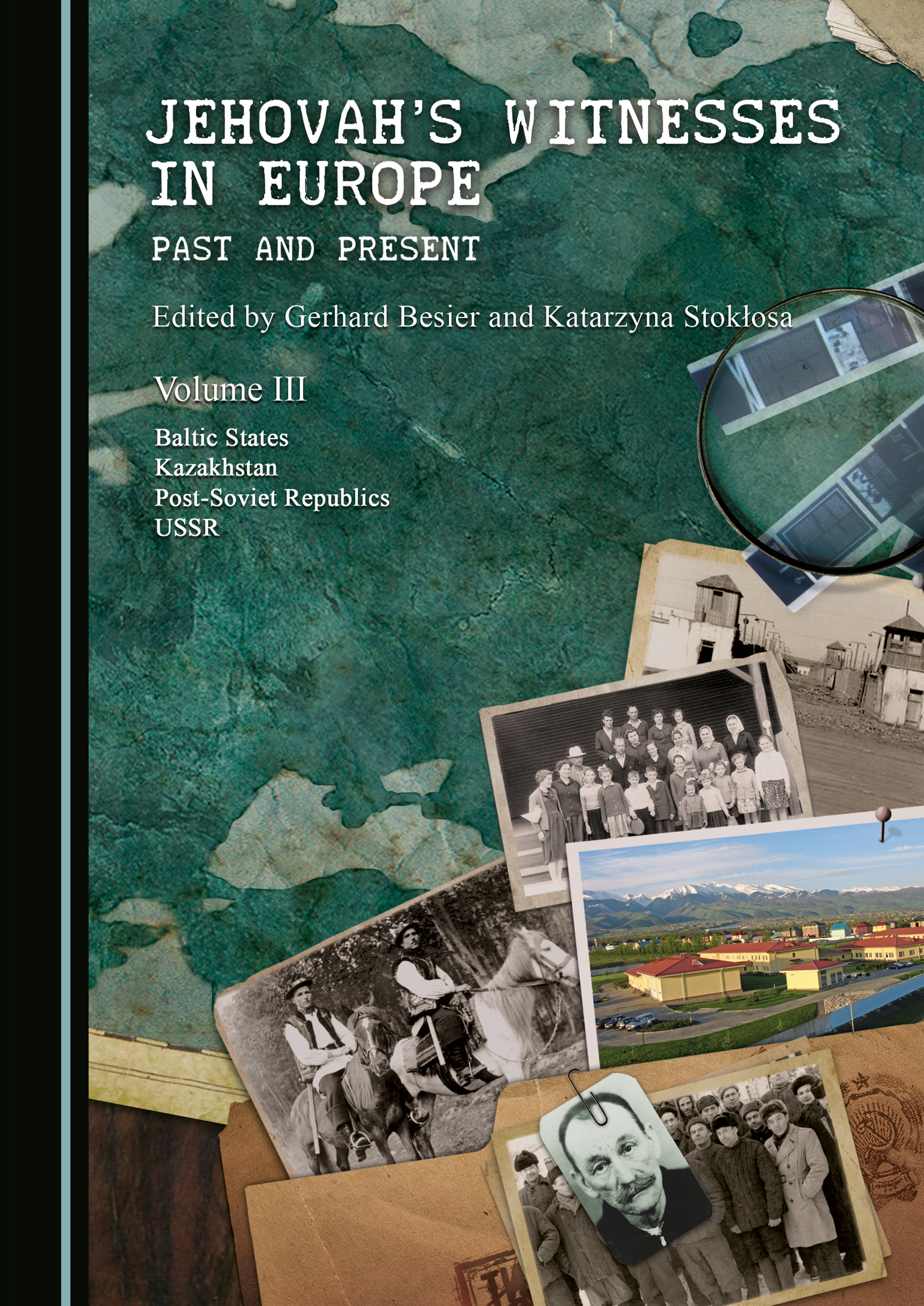
Jehovah’s Witnesses in Europe
This history documents the persecution of Jehovah’s Witnesses in Eastern Europe. It compares their survival under different political systems, from dictatorships to modern Russia, where a renewed ban has returned Soviet-era conditions of repression.