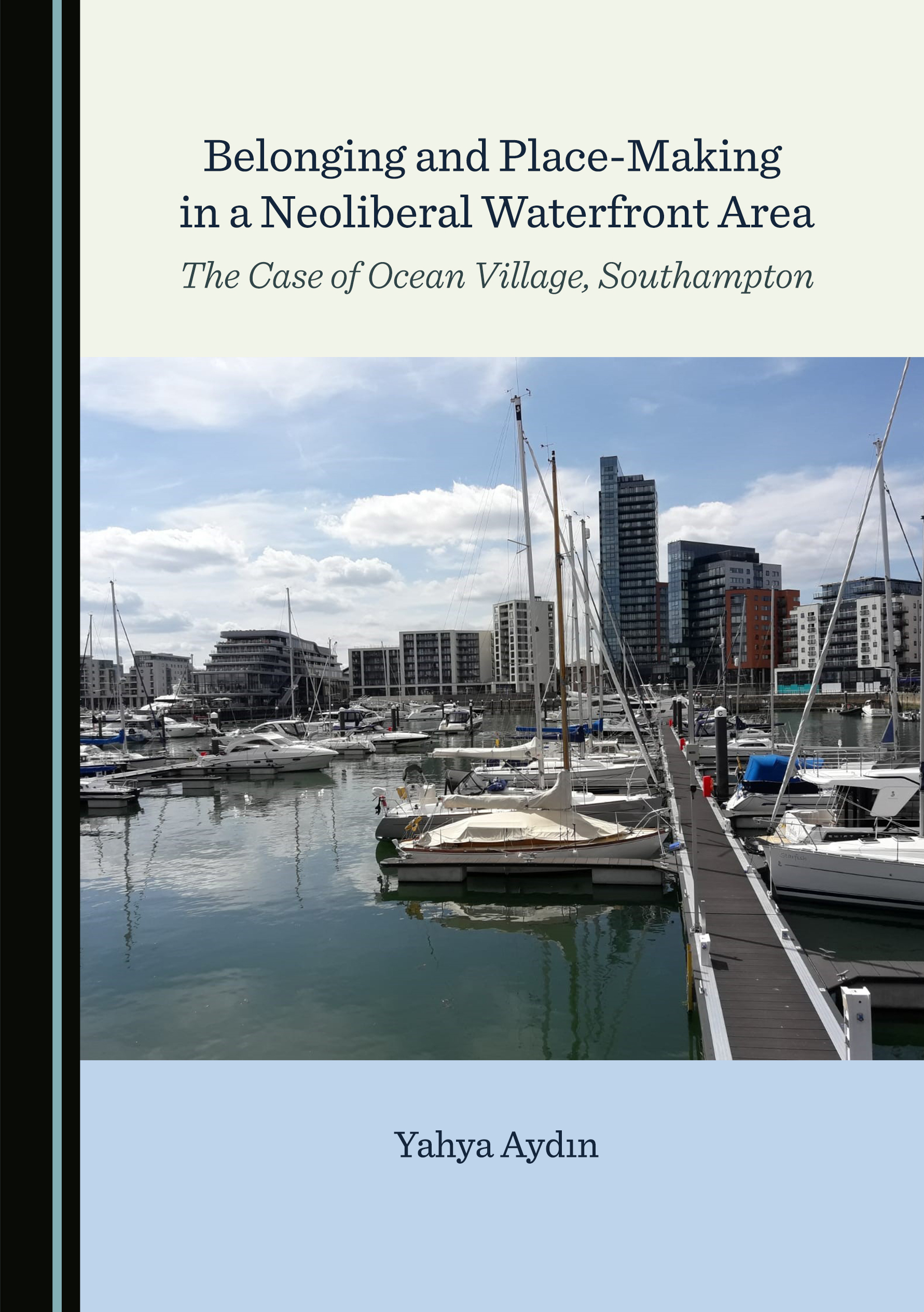

This book explores the role of tenure status within a neoliberal, urban (waterfront) environment. It argues that privatisation, housing policies, and developments change the urban environment and can affect the distribution of owners and renters, and indeed the meaning of home ownership and its location. As the book shows, redeveloped waterfront areas are one of the most important ‘expressions’ of neoliberalism, and include missing public spaces, privatisation, property and developments intended for elite consumption. The book uses a case study of the waterfront area of Ocean Village in Southampton to pursue research questions in terms of different tenure groups, location and neoliberal urban developments. As a redeveloping waterfront area, this location provides the ideal opportunity to examine the different feelings and attachments of different tenure groups in one area at the same time.
Essays by clinicians, parents, and de-transitioners demonstrate how ‘transgender children’ are invented in medical, social, and political contexts. The authors reveal the harms of transgender ideology and show how adults can intervene to protect young people.