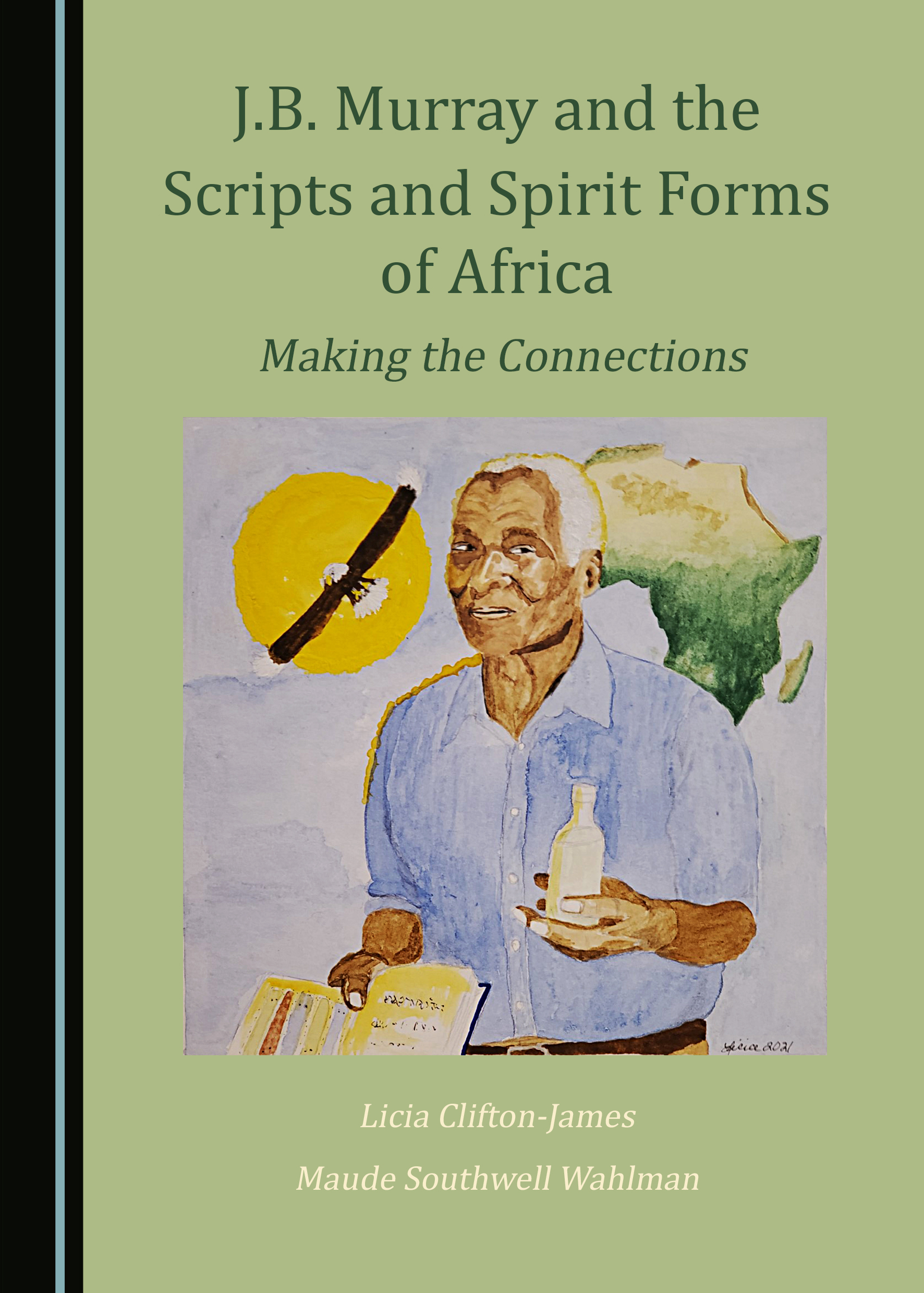
Providing an excellent example of why folk artists can be appreciated as carriers of knowledge, even if they are unaware of it, this book could change the ways we understand and appreciate American folk arts. Connecting a sharecropper from Georgia in the Southern United States to a protector and healer in Touba, Senegal, West Africa, the holy city of Mouridism, and the final resting place of its founder, Shaikh Ahmadou Bàmba Mbàcke, it makes an interesting link while examining the cultural aspects of two very different and yet similar paths of life. Historians and art historians alike will find this investigation of African American art and folk culture both interesting and insightful. Not only does this book trace the characteristics of art through the African Diaspora, but it also traces Islam through those same diasporic transportations of colonial exploration and slavery.
This pioneering book introduces the “feminine,” a dimension of film not reducible to women’s experience. Exploring this Jungian concept through movies spanning seven decades, it enhances the appreciation of film as a depth psychological medium.