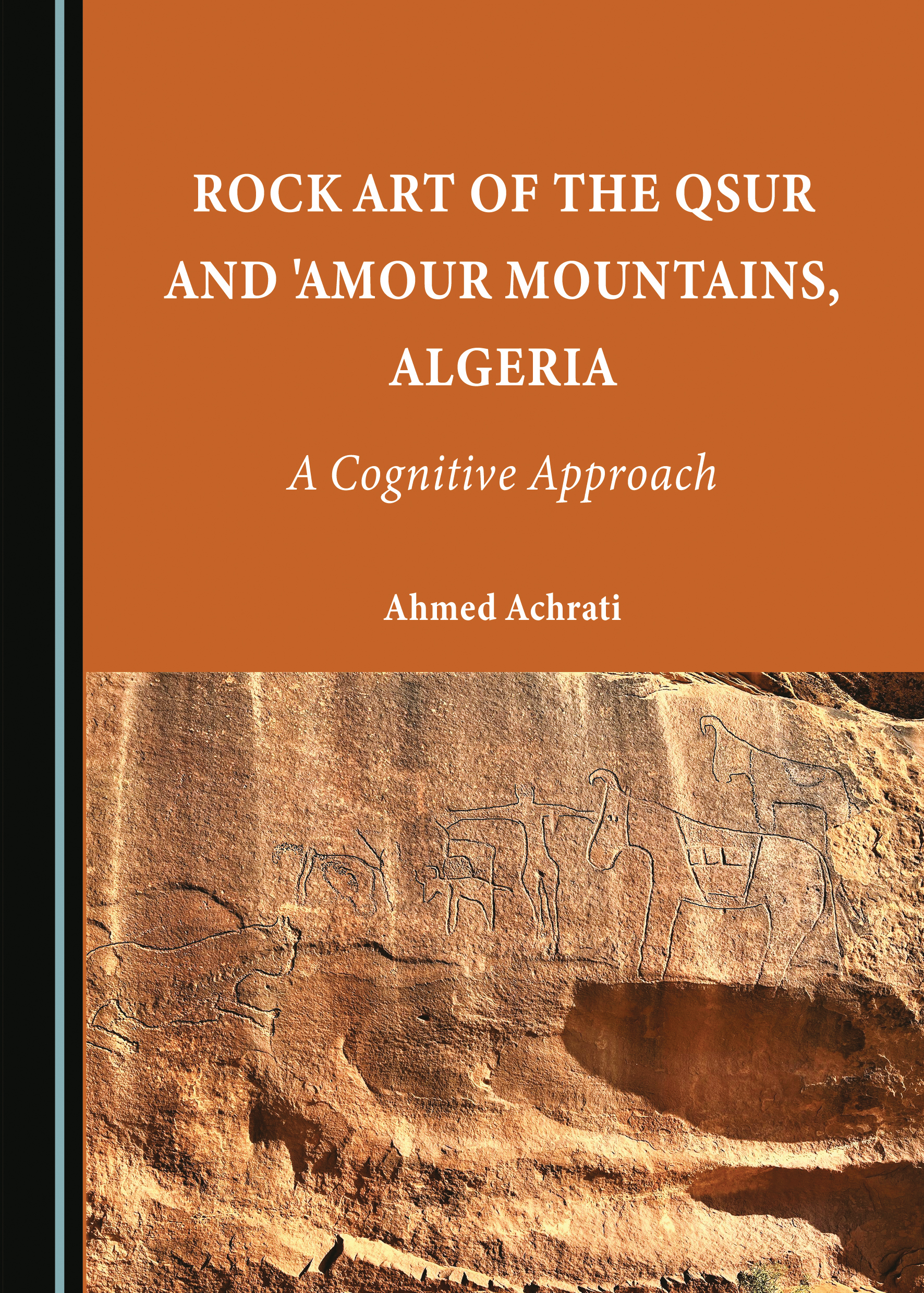
It may be true, as Paul Valery said, that the painter “takes his body with him,” but it is almost certain that artists leave some of their bodies in their art. This book studies the embodied intentionality inscribed in the works of the artists of the Qsur and ‘Amour mountains in Algeria. It retraces the aesthetic gestures of these artists, revealing sounds they heard, tactile and kinesthetic interactions they experienced, and emotions they felt as they recorded the distress and pain of some animals. Combining naturalist style, skilful composition, and spatial features, these artists often gave their art the form of installation, where induced motion and parallactic flow create immersive experiences. Using continuous line technique, they created monumental objects and intricate labyrinthine forms.
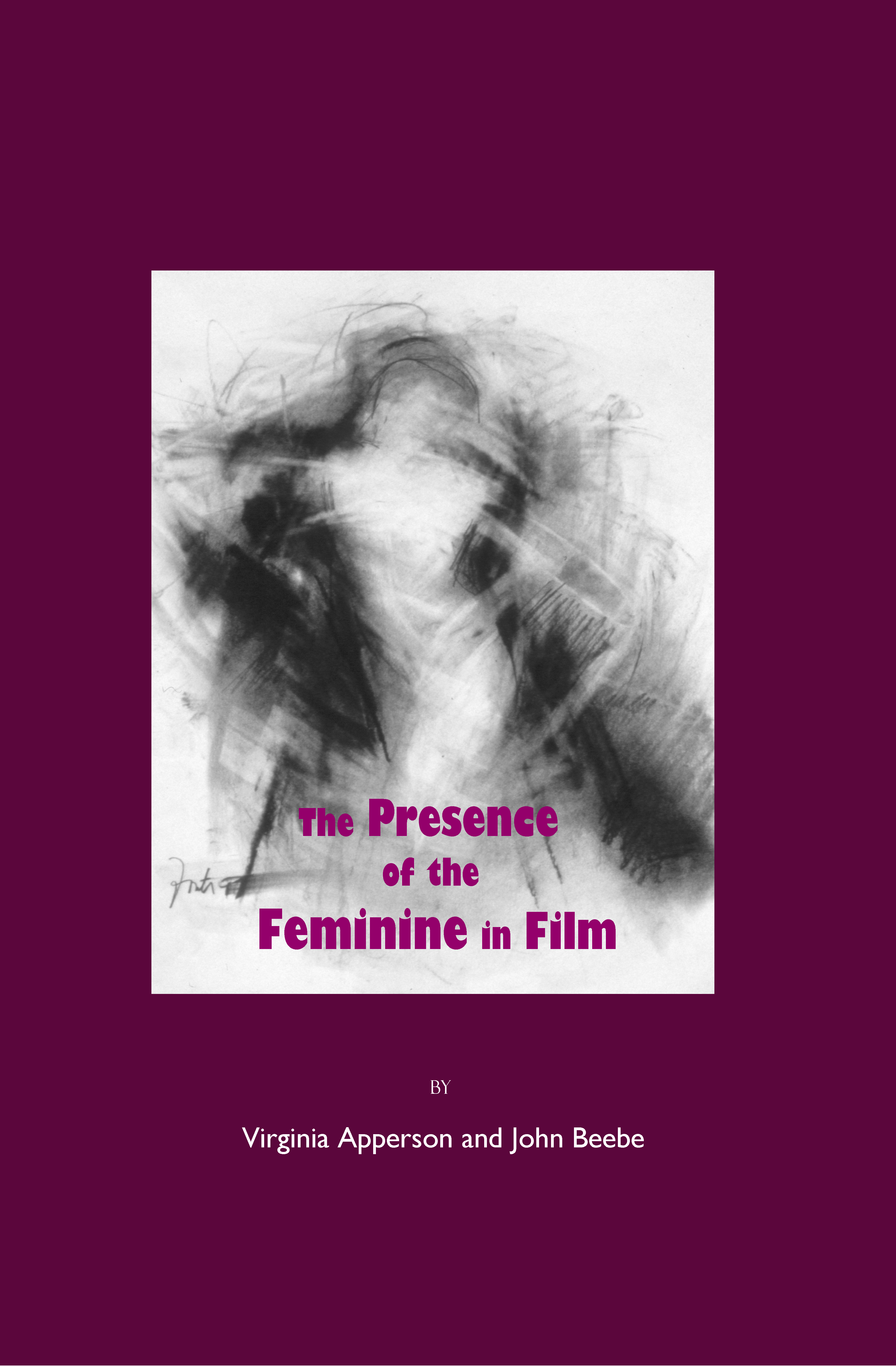
This pioneering book introduces the “feminine,” a dimension of film not reducible to women’s experience. Exploring this Jungian concept through movies spanning seven decades, it enhances the appreciation of film as a depth psychological medium.